
- Describe how AI (AUI) enhances and quantifies radiographic interpretation for clinical decision-making.
- Analyze digital radiographs and scans to improve diagnosis, treatment planning, and patient communication.
- Evaluate traditional versus digital workflows, including same-day milling, for efficiency and clinical outcomes.
- Apply AI-driven CAD/CAM principles to support restorative design and same-day delivery of indirect restorations.
AI in Digital Dentistry: Smarter Imaging, Scanning, and Same-Day Milling
Presenter
Course Objectives
1 CE Credit
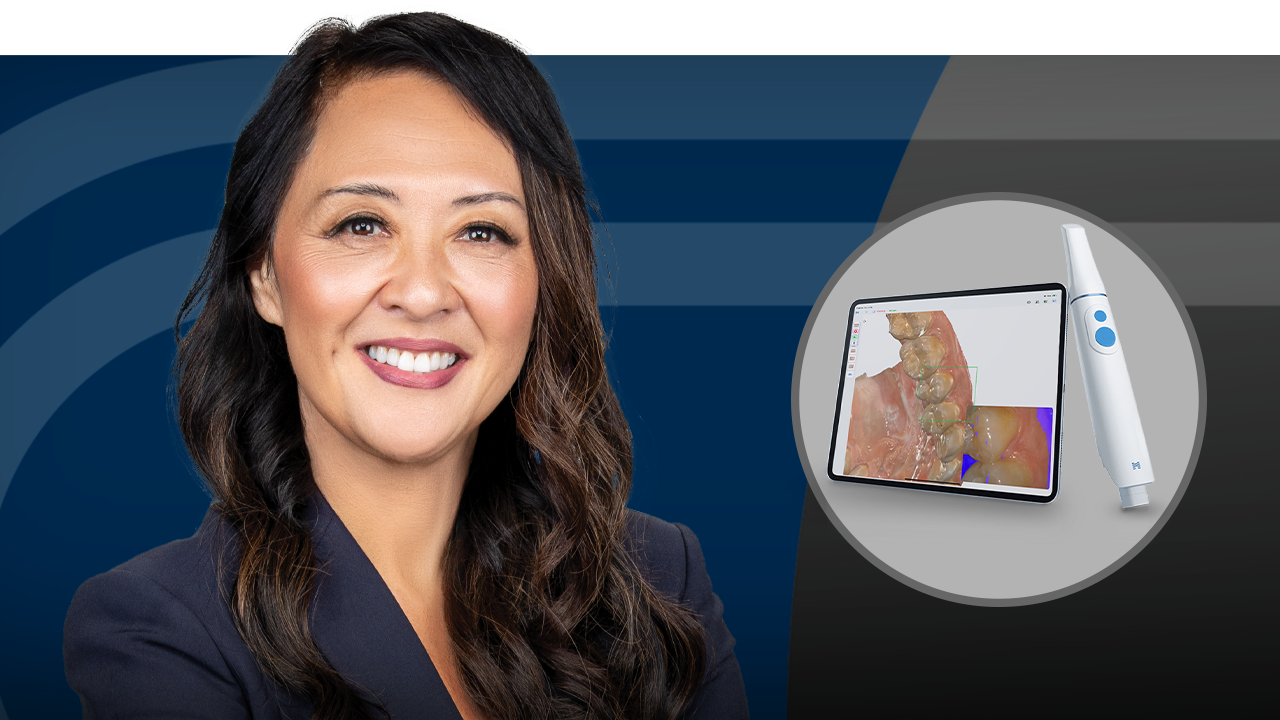
In this course, Dr. Bender explores the integration of digital dentistry and artificial intelligence to enhance clinical workflows and patient care. Attendees will learn how AI-supported radiographs, intraoral scanning, and CAD/CAM technologies improve diagnostic accuracy, efficiency, and restorative outcomes, including same-day milling and delivery. This course highlights practical applications and clinical cases to support the transition from traditional to a digital practice.
Learning Objectives
Recognition & Approval
Glidewell Education Center
Nationally Approved PACE Provider for FAGD/MAGD credit
Approval does not imply acceptance by any regulatory authority, or AGD endorsement. 3/1/2024 to 2/29/2028.
Provider ID# 216789
Teaching Method and Cost
Teaching Method: Self Instruction
Cost: Free
-
 Online CE CourseThe Airway Dentist: Thinking Beyond the TeethIn this course, Dr. Ben Miraglia explores the connection between malocclusion, airway health, and common medical symptoms through clinical cases from early childhood to adulthood.
 -
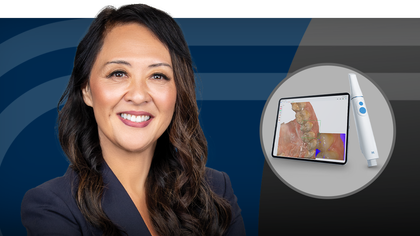 Online CE CourseAI in Digital Dentistry: Smarter Imaging, Scanning, and Same-Day MillingIn this course, Dr. Bender explores the integration of digital dentistry and artificial intelligence to enhance clinical workflows and patient care.
 -
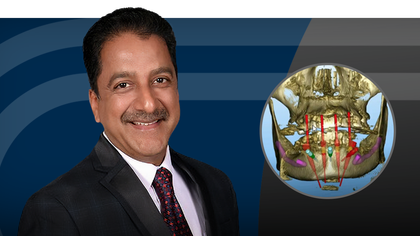 Online CE CourseTreatment Guidelines for Successful Implant Outcomes with Objective GuidelinesIn this course, Dr. Iyer discusses objective diagnostic criteria for identifying cases best suited for implant therapy and compares expected outcomes with conventional restorative treatment options.