
In this issue:
Featured Q&A: The Business of Building Better Dentists
Interview by
Interview with
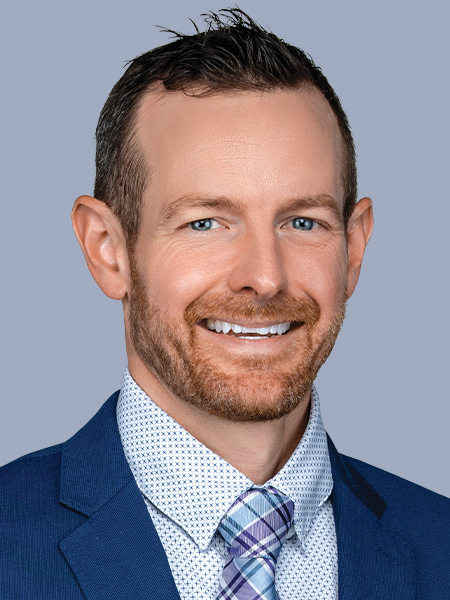
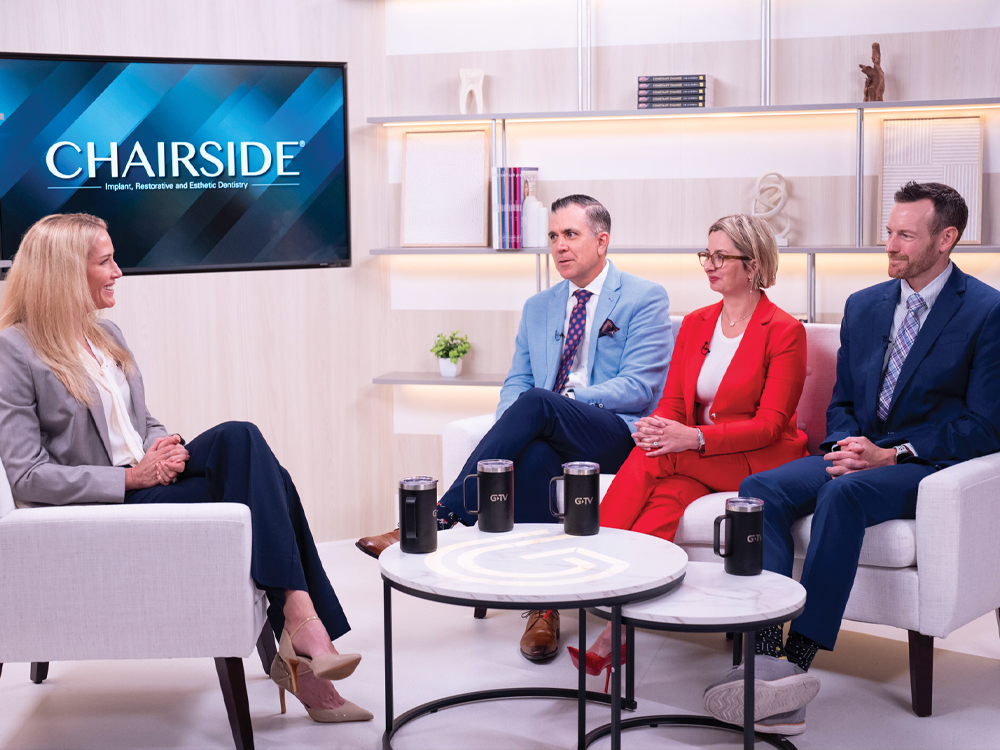
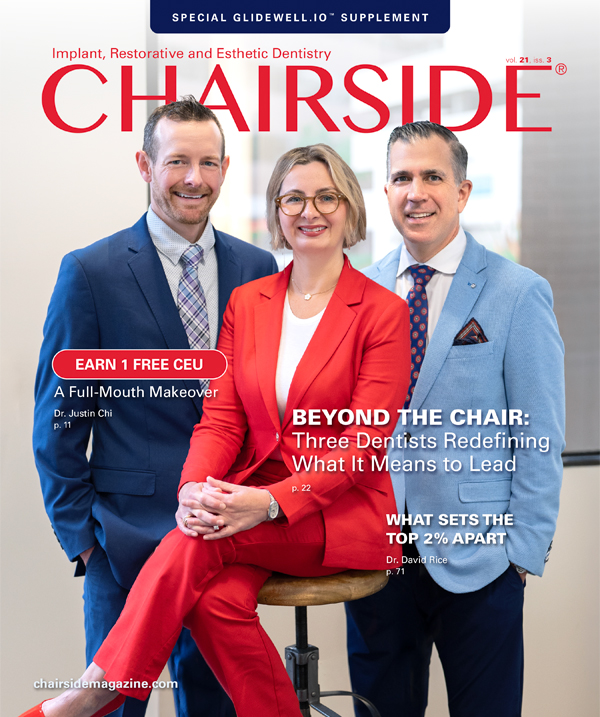
Looking for new ways to grow your practice and navigate an evolving profession? For this special glidewell.io™ edition of Chairside, we brought together three clinicians whose impact extends well beyond their operatory walls.
While all three have integrated the glidewell.io In-Office Solution into their workflows, they were selected for this discussion because of their willingness to engage, coach and champion the growth of their colleagues. Each combines real-world practice ownership with a commitment to elevating the profession, whether through building peer communities, sharing insights via podcasts and speaking engagements, or creating practical resources that help dentists succeed.
CHAIRSIDE MAGAZINE: Let’s start with your origin story. What led you beyond your practice and into professional outreach?
DR. CHAD DUPLANTIS: A lot of it came from COVID. I’ve always had this passion to teach and mentor younger dentists, but when COVID hit, we didn’t really know what to do. That put my passion into overdrive, and it took off from there. I felt that for many of us, dentistry can be very tough and secluded. I wanted people to realize that it didn’t have to be. We’re a community and we have the ability to engage one another and build each other up.
DR. MAGGIE AUGUSTYN: There were things that I was feeling, and there were no places where I could talk to other people who were feeling the same way. So, I started writing about how I felt. The first article I wrote was “Dentistry Made Me Hate People” because I didn’t think that there were other clinicians who felt the same way. Within a short amount of time, it gained thousands of clicks. And that was really the beginning of it for me. I started to talk and write about the things that I was feeling, not realizing at first that there were other people who were struggling with these heavy emotions, because this profession is very isolating. I started being very transparent about some of the unappealing things we go through as clinicians, professionals and practice owners.
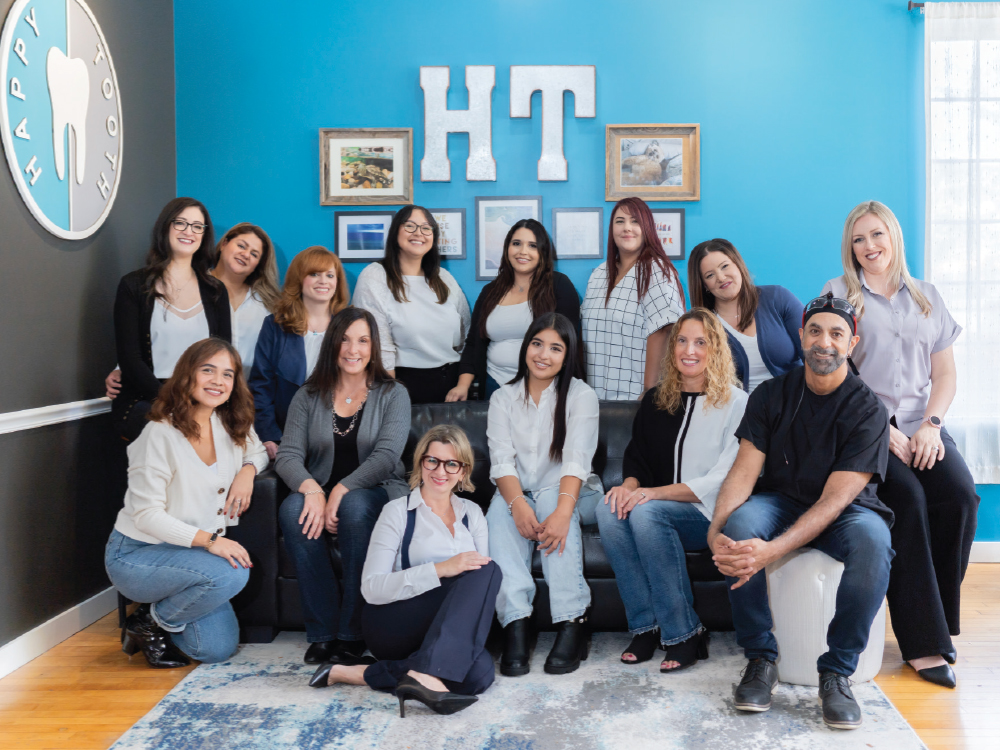
DR. ADDISON KILLEEN: I’m a reformed multiple-practice owner, so I’ve stepped in all the potholes and made all the mistakes. What frustrated me most and changed my thinking was being able to help other people avoid the mistakes that I made, whether through practice management or the different things I saw throughout my time with multiple-practice ownership. It’s not clinical dentistry that stresses us out. We love that stuff. It’s all the other stuff. It’s HR, communication, leadership, the profit and loss statement. Consultants charge a lot of money for training on these topics. Writing books helped me to teach other people at a much wider level for much less at their own pace.
CM: Is there a specific moment or need that you saw in the profession? And how did you expand your vision to reach colleagues?
CD: With the advent of social media within the dental profession, I wanted to build a place where people could come and really express their frustrations, successes and failures without being judged. There’s a lot of tolerance for judgmental attitudes in dentistry, and there shouldn’t be. I believe dentists and dental team members needed a safe space.
MA: Writing has always been key for me, but it’s also about being able to take the emotions we feel and knowing what to do with them or how to put them in perspective. We live in this unforgiving cancel culture, which means that if I feel something and you don’t agree with it, you have to say something to discredit me and elevate yourself. Providing safe spaces allows us to feel less alone, and I try to do that through writing.
AK: Around 10 years ago, I was talking to a colleague over some numbers, and it frustrated me to know that he could be doing so much better. He said, “We never learned any of what you’re telling me in school.” And that’s true. Business is not really taught in dental schools in the U.S. It frustrated me because they were not complicated things that could improve his outcome.
That led me to write my first book, “By the Numbers,” where I ask questions like, “What should you watch every week and every month?” Once you start watching the numbers better, you can really change the outcome quite easily. It does not require paying a huge consultancy fee or doing any clinical work differently.
CM: There’s a level of vulnerability that comes with putting your ideas out there, especially in a profession that can be perfection-focused and critical. How have you navigated that?
CD: I think that you need to research your thoughts. If I’m going to throw something out there, I want it to be more factual than an opinion. That’s why our platform is built upon facts, relevance and promoting the best products and education in dentistry. We can stand behind everything we put out there. And you do have to be a little bit vulnerable sometimes, but I think if you back up your thoughts with data and science, it makes it a little bit easier to push it out there.
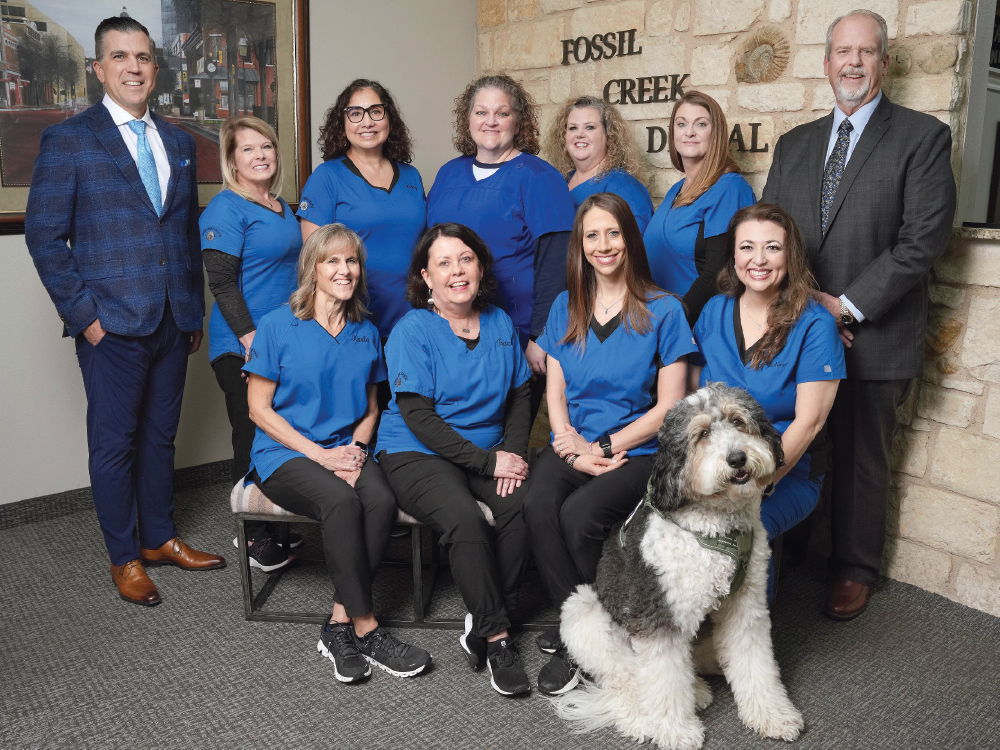
MA: At an orthodontist association lecture last year, I shared some pictures of what my midsection looked like. The point was to show myself to the world and to make others understand that we are not perfect. I also published an article about my two attempted suicides and within hours of publication, I received messages saying, “I stopped myself from following through with a plan because of what you’d written.” People on social media call me the dentist that cries, and that’s been hurtful, but if I only helped one person, it is worthwhile. It’s been a challenge, but those challenges make us stronger to move forward.
AK: As dentists, we’re trained to be perfection oriented. We need to have great grades to get into dental school and throughout dental school, and we are graded throughout our practice. It’s tough to admit that we don’t know everything. Whenever you write something or put something out into the world, it’s like giving birth to a child. You send it out into the world; it’s set in stone, and you get judged on it. The goal is that we’re always doing better than we were a year or two ago, and it’s great to see constant improvement in dentistry every day.
CM: Despite your different approaches, there’s a shared thread of helping other dentists succeed. What do you think dentists are struggling with the most?
CD: We’ve got several threats lurking in the water. There’s dental insurance, overhead and, for the younger dentists, debt. All of that can be a big burden on a dentist and a dental team member while trying to be clinically excellent as well. And sometimes that’s what’s sacrificed the most. And it leads to a lot of the problems that Maggie’s trying to help people with.
MA: Crippling debt, lack of control because of the debt, and, depending on who we work for, people telling us what to do as clinicians. Additionally, this generation of dentists is facing a new generation of patients that comes in, is smarter than you, is AI ready, believes it knows what’s wrong with them, and tells you what to do. As if we weren’t already holding ourselves to impossible expectations, now the patient comes in with incredible mistrust. That relationship compounds how difficult it is for us to thrive and feel joy as human beings. How do we stay grounded in the healer’s position? That is really hard.
AK: The younger generation’s clinical education may not be as comprehensive as what we received 15 or 20 years ago. Dental schools are coming out with fewer clinical requirements, making it more difficult in those first years to become clinically proficient and communicate with patients who second-guess you all the time. New graduates are under more financial pressure than we were, which makes investing in continuing education more difficult. Practices are getting hurt by rising overhead, inflation and other macroeconomic pressures. There’s also the physical pain that comes from not taking care of our health. Poor posture, deficient loupes, and lack of daily movement produce physical pain that leads to a deterioration in our emotional state. It’s a whole smorgasbord of things that come together.
CM: How do we make the next generation of dentists better than where we are today?
CD: My advice to a young dentist includes the indication that “you are going to make a very good living.” But rather than taking that living and buying a fancy car, a house, and all the things you want, figure out what you need to live. Determine what you need to start paying back your debt and take a percentage of that and put it into education.
Immerse yourself in education. Educate yourself and then be the change. Dentistry is going to be less lonely because of the camaraderie within education, and you will be a much better clinician because of what you learn.
MA: I sat down with someone at the AGD not long ago and the conversation went something like, “How many operatories do you have? How many hygienists? How many assistants?” I could not have been less interested. That is not how you build relationships, let alone a community. That is the way we used to talk to colleagues before.
Make an effort to find your people, look out for your mentor. That person might not be at a DSO practice where you want to make $300,000 right out of dental school, but you might find that person in a private practice that does not pay you as much. There are things that you might be searching for. Be creative about where you can find them.
When you have an opportunity to start a relationship with someone, talk to them about something that is real because chances are they’re in the exact same place as you are. Finding a community and a group of people that are relatable will make you feel less alone.
AK: By sharing best practices, common mistakes, books to read, and videos to watch. As I coach doctors in the Dental Success Network, I curate resources so that the next generation of dentists has it a little bit easier because if we can shorten the learning curve for folks, it’s going to decrease their stress, it’s going to make them enjoy dentistry longer and better, and they’ll be more fulfilled.
CM: What would you say have been some of the most impactful efficiencies in your workflows and systems, and how have they benefited you?
CD: Technology has obviously changed the way we practice dentistry. When I first started learning about it, I felt like I needed every piece of technology. I bought things that have collected dust and I had no idea how to use them. After reading “Start with Why” by Simon Sinek, I began to figure out why we wanted the technology, and I developed a methodical approach to incorporating it into the practice.
Once you start integrating things systematically, everything within the practice builds upon itself. Patient communication, online payment, scanning, designing and milling are all part of this beautiful circle that encompasses the lifecycle of a patient and the practice. Don’t buy everything at once. Buy one piece of technology, figure out how to use it appropriately, what the branch offs are from that technology, and then just allow it to build upon itself.
MA: It’s hard for me to learn technology; however, incorporating digital scanning, glidewell.io and guided implant placement into my practice has brought me joy and satisfaction as a clinician. It improves patient outcomes. Similarly, I can’t do endo without a CT scan. I don’t care if it’s just a one-rooted bicuspid.
I feel it’s less about efficiency and more about how it has helped elevate the way I practice. The time spent learning how to use this technology has been absolutely worthwhile.
AK: It’s great to have a patient fill out a medical history online, to have an AI receptionist take notes on a phone call and put them right into the chart — things that make the lives of our patients and team members easier. But the biggest thing that I love in the practice is intraoral scanning almost everyone who walks in.
When you can show the patient a picture and spin it around in three dimensions to show them where they’re getting food caught or why their bite feels funny here, it helps break down the barriers of mistrust. And there are all the things that you can do once you get good at scanning. You can 3D print your models, design and mill better-fitting crowns, and see that final bitewing and think, “I nailed it! That is absolutely what the patient needs.”
CM: As we move into the future, do you feel like that’s enriching dental practices from a business, emotional and overall general technology adaptation perspective?
CD: I’m a huge believer in elevating the patient experience, taking into account the patient’s time and needs. And we’re able to bring all of that together when we deliver same-day treatments. Beyond improving their experience, it’s also what they’ve come to expect. And if you’re not offering it, the dentist across the street is, so it’s huge in my practice.
MA: There are patients who will specifically choose to do a crown only because it’s done on the same day, and I find myself saying this quite often: “You’re going on vacation? No problem. We’ll just finish it today.”
Before we had this technology, we weren’t able to do that. I never did onlays before because I did not want to deal with the temp, and now I do a lot of them even if they are not covered by insurance. It’s a two-hour appointment, including cementation. What a great service. I’m proud to have become the dentist that can do an onlay rather than just jump straight into a crown. It has been an incredible change in our practice. And within a 15-mile radius, there aren’t too many providers who are able to offer that.
AK: Patients don’t like coming to a provider multiple times for the same issue. And any time you have an appointment on your schedule, it’s another chance for a missed appointment, so having it all done in one appointment is just more efficient.
I’m in a slightly rural area, where patients drive up to an hour and a half to see me. When I tell them I will take care of them that same day, they are extremely grateful. That kind of efficiency also shapes the materials I choose. For example, I’ve been doing more CAMouflage® NOW on second molars because it’s got the necessary strength, and the seven-minute milling time is a patient favorite.
CM: Thank you so much for your time during this wide-ranging interview. Each of you bring such a unique perspective to dentistry, and we truly appreciate the enormous effort each of you place into making the profession better as a whole.
This interview has been edited for length and clarity. To watch highlights of this conversation or download the Glidewell TV app.