In this issue:
Managing the Transition to a Digital Chairside Practice
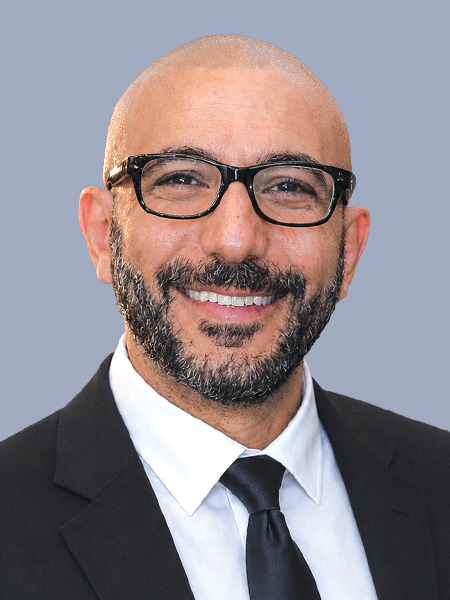
Author
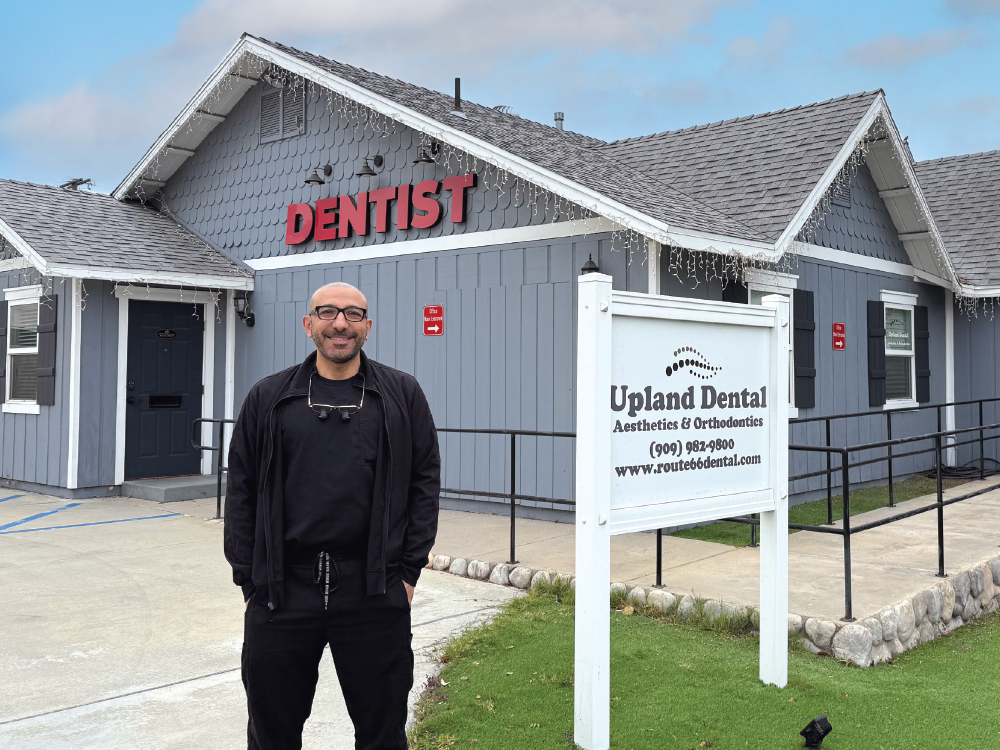
I never considered myself especially tech-savvy, and anything involving computers, digital systems or connected devices felt outside my comfort zone. I’ve practiced general dentistry since 2002, and my focus was simply on providing comprehensive, patient-centered care. But as I became more interested in digital dentistry, I had to decide where to begin.
I have two practices: one in Los Angeles, which I opened in 2004, and another in Upland, 35 miles east of LA, that I opened in 2013. I did not want to bear the cost of duplicating major equipment in both offices, so I had to carefully consider where those investments would yield the greatest value. Upland is the newer office; it is closer to my family and, in the long term, my primary practice. When it came time to invest in technology, Upland was the logical place to start.
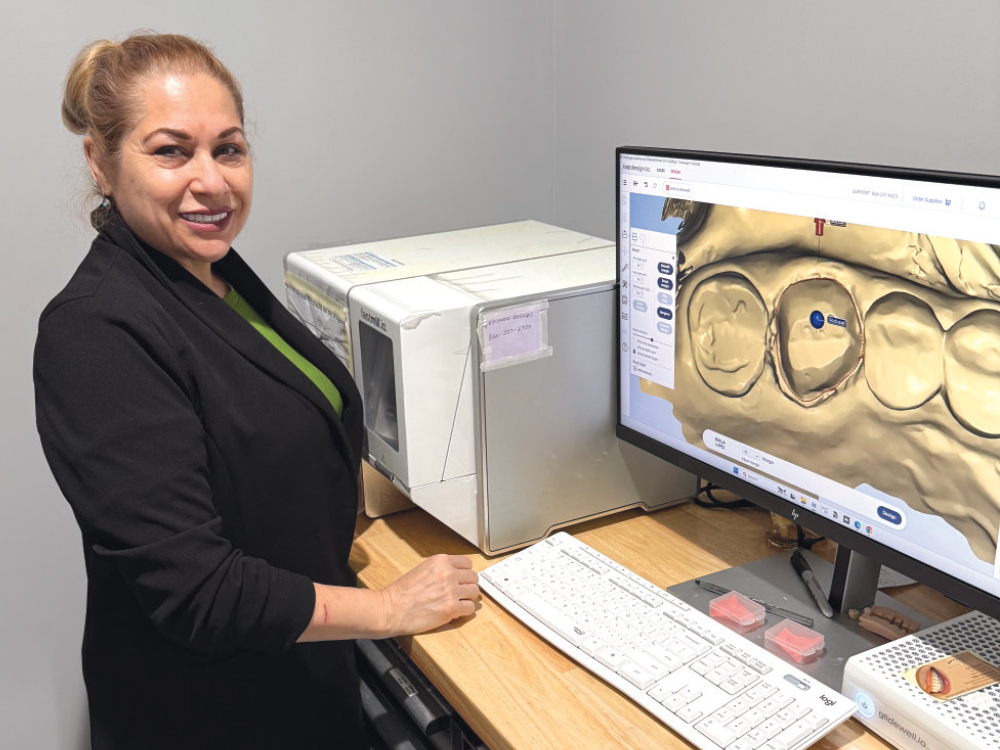
At the same time, I still wanted both offices to benefit. So, when I upgraded, I transferred my previous scanner to LA and placed the new scanner-mill combination in Upland. I only have one fastmill.io™ In-Office Mill, but because the workflow is digital, I can scan a case in LA, send the data to Upland, and still make the crown there. That setup gave me a practical way to support both practices without having to mirror every purchase.
My entry into digital dentistry began in 2021 through my work at Western Dental, where I have practiced since graduating from dental school and continue to work once a week. Like many dentists, I relied on traditional impressions for a long time and appreciated the familiar workflow.
When I was presented with an intraoral scanner for the first time, I was amazed at how quickly I could zoom in and see the margins in detail, evaluate the prep, and review the entire tooth structures with a level of clarity I had never experienced before. What also stood out was how patients responded. Many had never seen anything like it, and were excited and curious when their scan appeared on the screen.
The immediacy, along with the sense that technology could improve both the clinical experience and the patient experience, gave me the confidence to start bringing those tools into my own practice. At the time, I did not realize how much that shift would eventually change the way I thought about my own dentistry.
THE COMMENT THAT CHANGED ME
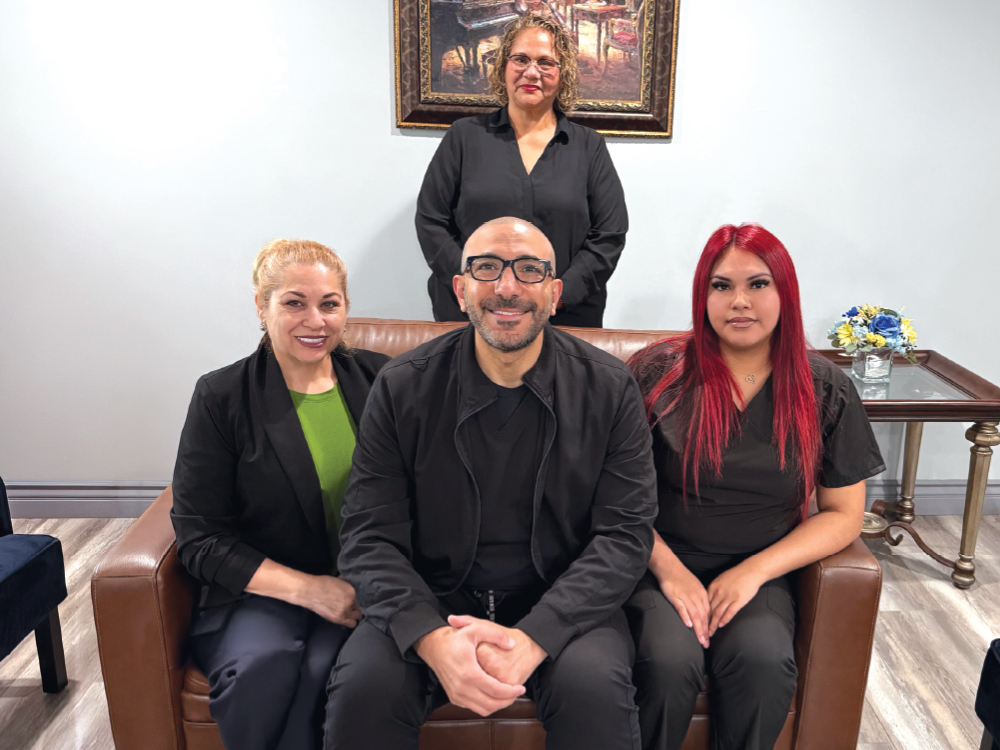
As my interest in digital workflows grew, I started attending continuing education courses and symposiums at Glidewell. Those experiences expanded the way I thought about technology. One comment stayed with me: Another doctor, describing his new workflow, said that digital dentistry had made him a better dentist.
At the time, I was intrigued by that statement, but I did not fully understand it. That changed when I brought a milling machine into my own practice and began completing crowns in-house. Once I was responsible for the entire process, I started looking at every step differently. The preparation had to be right from the start, the finish line had to be clearly defined, and the scan had to capture every detail accurately. There was no room for compromise in any part of the workflow.
Once I began milling in-office, I became much more attentive to details, such as avoiding undercuts and making sure the prep was precise enough and that it provided adequate space to support a well-fitting restoration. If those fundamentals are handled properly, the crown seats the way it should, seals at the margin and delivers a better result. That was when I realized digital dentistry was not just changing my workflow — it was improving the way I practiced.
Digital dentistry was not just changing my workflow — it was improving the way I practiced.
TECHNOLOGY THAT FITS
There was also a personal side to my decision to go digital. After many years in practice, I reached a point where I felt like I was doing the same thing every day. You get efficient, you get comfortable, and you settle into a rhythm. But I did not want to stop evolving. I wanted to challenge myself and stay engaged as dentistry continued to change.
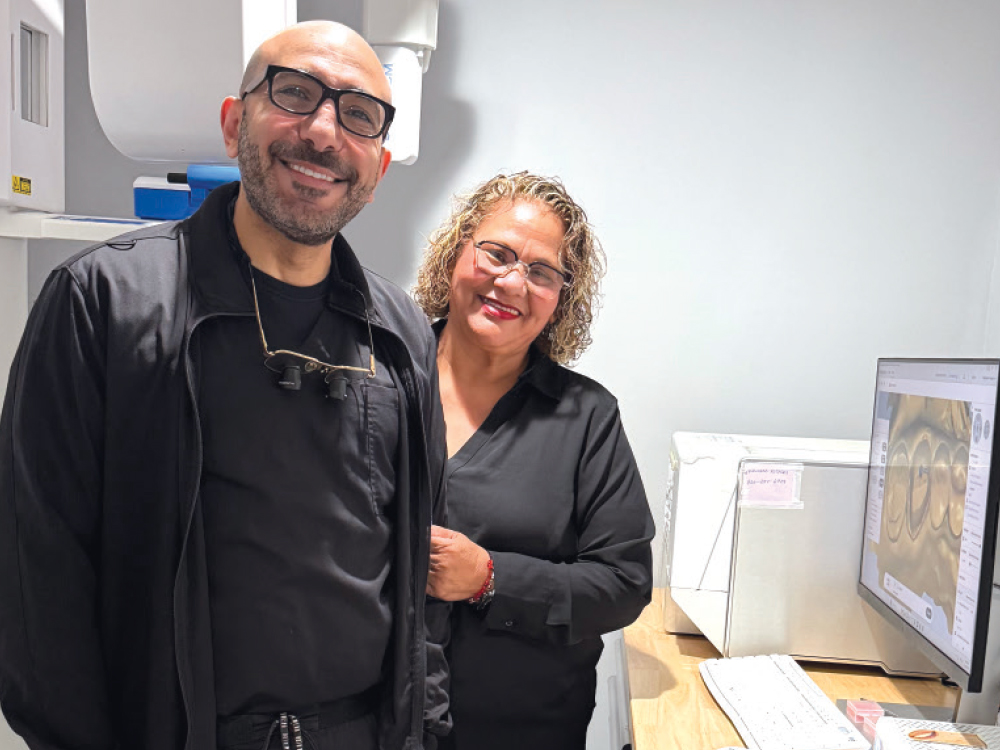
I looked at several other systems before deciding on the fastmill.io system. Some systems felt too complicated and were either too expensive or too large for my practice. In some cases, they required multiple pieces of equipment, and I simply did not have the space. I was not looking for the biggest or most elaborate setup. I was looking for something practical — something that made sense for how I work and fit within the office’s physical footprint.
What appealed to me about the fastmill.io was that it felt manageable. The size made sense, the setup was realistic, and it gave me a practical way to move into same-visit dentistry without overcomplicating the process. Technology works only if it can be integrated into daily practice. It is not enough for something to be impressive in theory. It has to be usable and fit the clinician, the team and the space.
Patients notice the technology and are impressed. When they see the scanning and milling process, it sparks curiosity and often leads to questions. It gives them confidence to know that the practice is up to date. We try to make patients feel like family, and that warmth alongside advanced technology leaves a lasting impression.
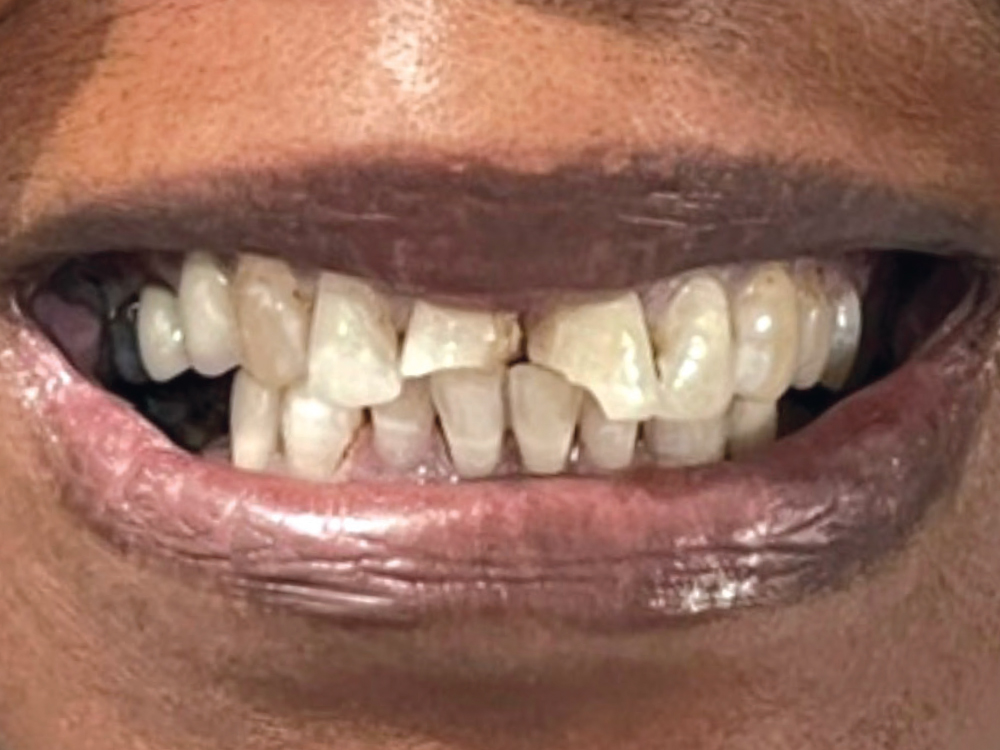
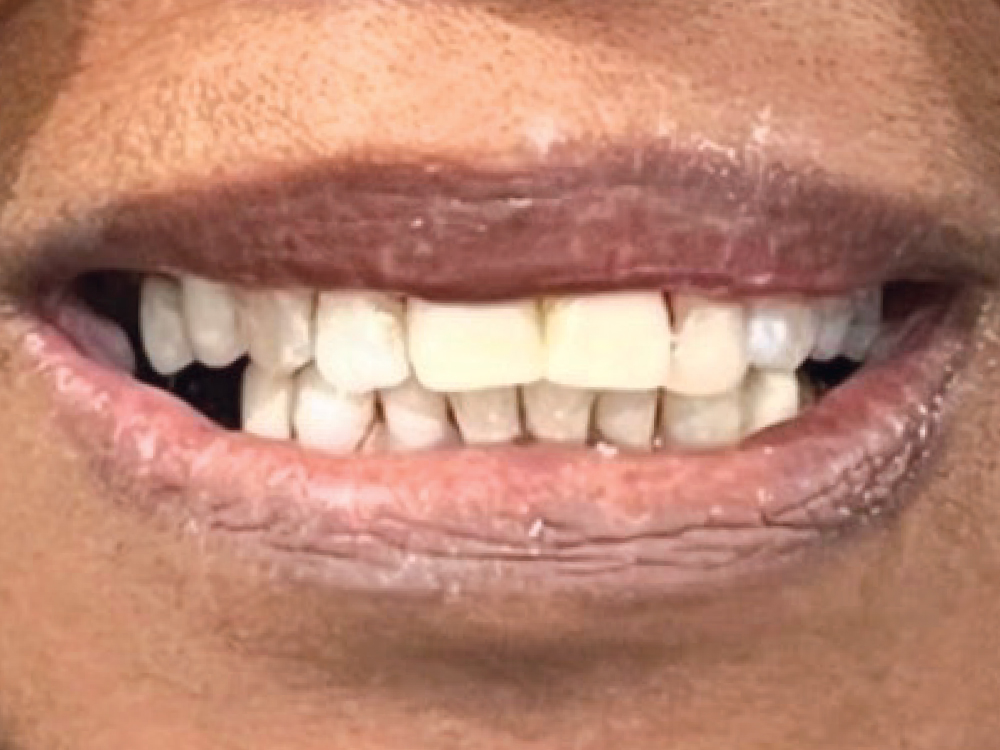
For example, one case involved a patient who had fallen and chipped #8 and #9. She sings in her church choir and is a very expressive, happy person, so her smile is important to her both physically and emotionally. She came into the office upset and was relieved to learn that we could restore her smile in a single visit.
For clinicians who may feel hesitant about adopting new technology, I would say this: It is worth the investment if you are willing to put in the time and effort to learn it. For me, technology stopped being about doing things faster and started being about doing things better. It evolved from being just dental equipment into a tool that elevated my skills and improved the experience I could provide for my patients. And in the end, that is the greatest benefit of all.