
2201 Dupont Dr., Irvine, CA 92612
© 2020-2026 Glidewell. All rights reserved.
800-854-7256 USA
The future of removable partial dentures is digital precision, modern materials and efficient workflows.

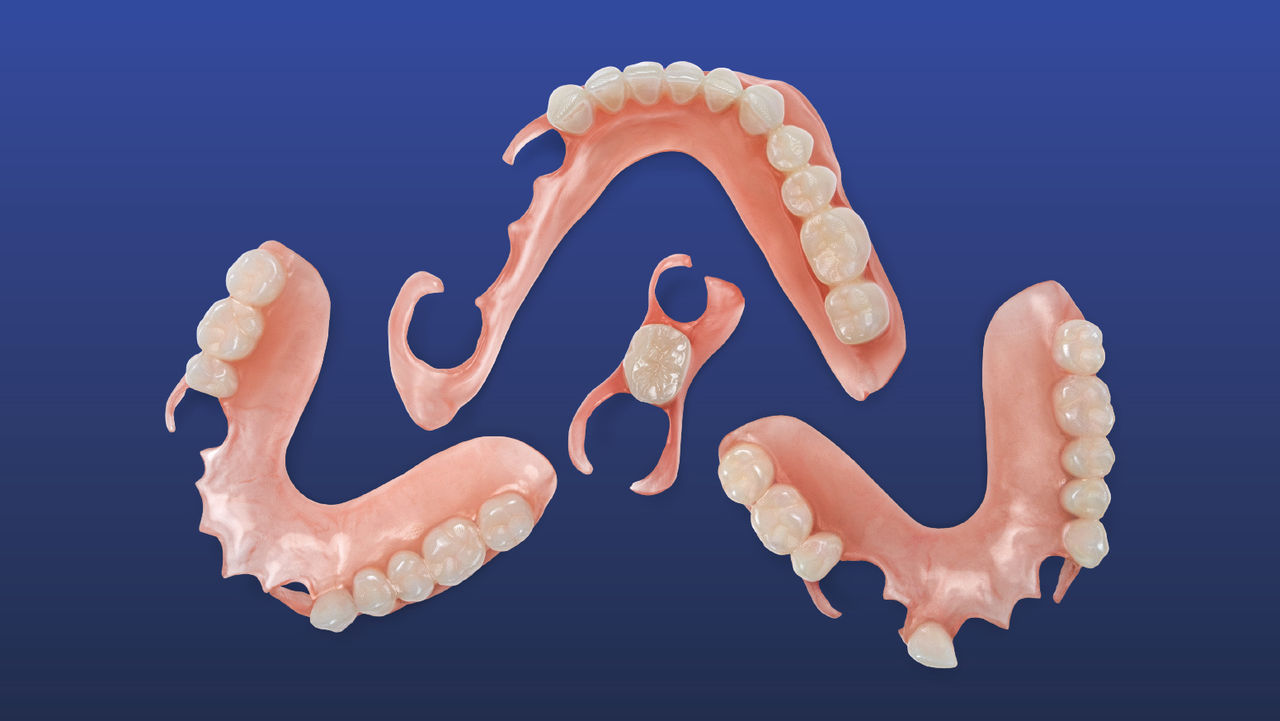
Removable partial dentures of the past haven’t always had the best reputation. Unesthetic metal clasps, bulky acrylic, patient discomfort, and frequent adjustments have historically made partials a compromise instead of a confident treatment option. That’s changed.
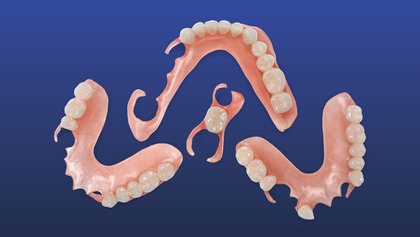
Simply Natural™ 3D Flexible Partials combine digital design, advanced materials, and precision manufacturing to deliver a removable solution that’s lighter, more comfortable, and easier for clinicians to manage — all while serving as a profitable practice booster.
3D Flexible Partials are digitally designed, 3D-printed removable partial dentures fabricated from advanced flexible polymer materials instead of traditional metal frameworks or rigid acrylic bases.
Using digital workflows and precision manufacturing, these partials offer:
They are ideal for patients who want a more natural-feeling alternative to traditional cast metal or bulky acrylic partials.
The benefits to the patient are clear, but what about the clinician? Three key points ensure the dentist will be just as happy as the patient.
Because patients are more likely to want removables with better esthetics, a lightweight feel, flexibility and improved speech function, they’re more likely to accept this treatment. Patients want an appliance that’s invisible — something others won’t know they’re wearing and something they themselves will forget they’re wearing. Telling them about how the Simply Natural 3D Flexible Partial achieves that goal is likely to lead them closer to saying, “Yes.” With more patients agreeing to treatment, dentists can increase their practice revenue.
Traditional partials have often meant pressure spots and sore tissues that led to numerous follow-up visits, using up valuable chair time that could have been used for more profitable procedures. A digital workflow changes that. Because a digital workflow offers patients a more consistent fit, even tissue adaption, reduced post-delivery sore spots, and fewer emergency adjustments, the clinician can be more productive with that chair time — opting for procedures that will further increase practice profits. The efficiency of streamlining partial denture workflows with digital technology also means shorter appointment durations and faster turnaround times from the lab. Overall, that reliability is invaluable.
Simply Natural 3D Flexible Partials fill a key treatment gap for patients who are not yet ready for implants, have medical complications, struggle financially, or are undergoing a transition phase in treatment. The simple workflow and affordability of these partials enable dentists to provide their patients with care, rather than referring them to an outside specialist. Keeping patients in your practice means retaining treatment profits and demonstrating that your comprehensive care can address a multitude of indications, even for temporary solutions.
The digital workflow for Simply Natural 3D Flexible Partials has been streamlined to just two appointments: the first appointment for intraoral scanning and the second for seating the appliance.
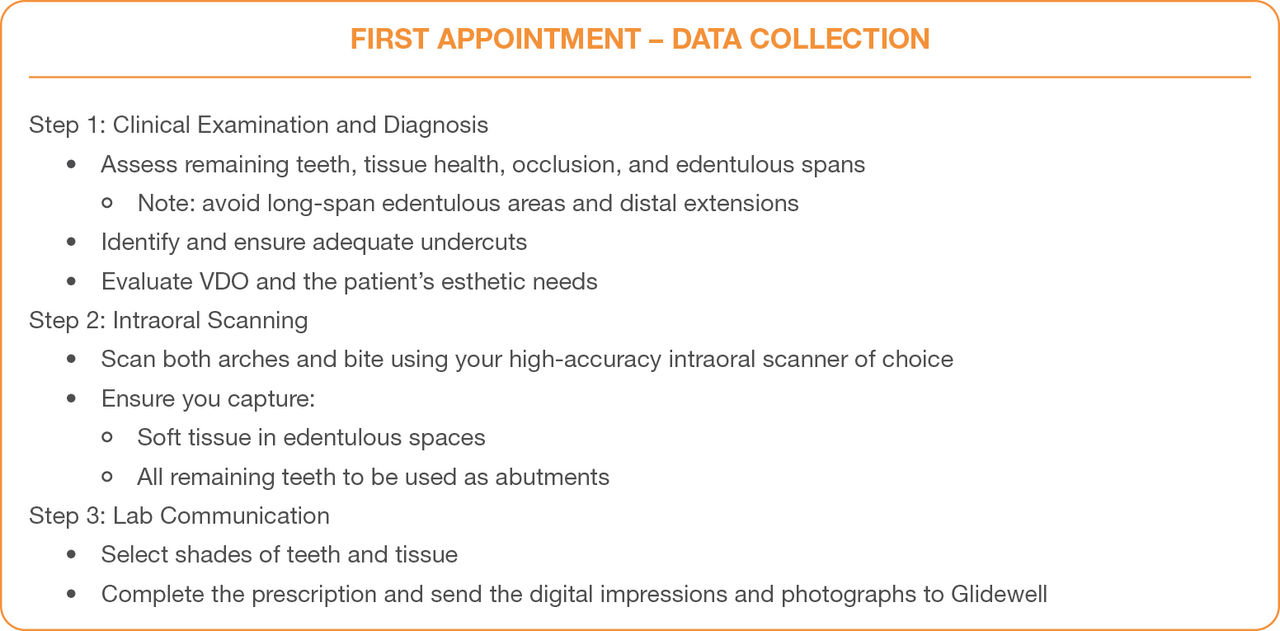
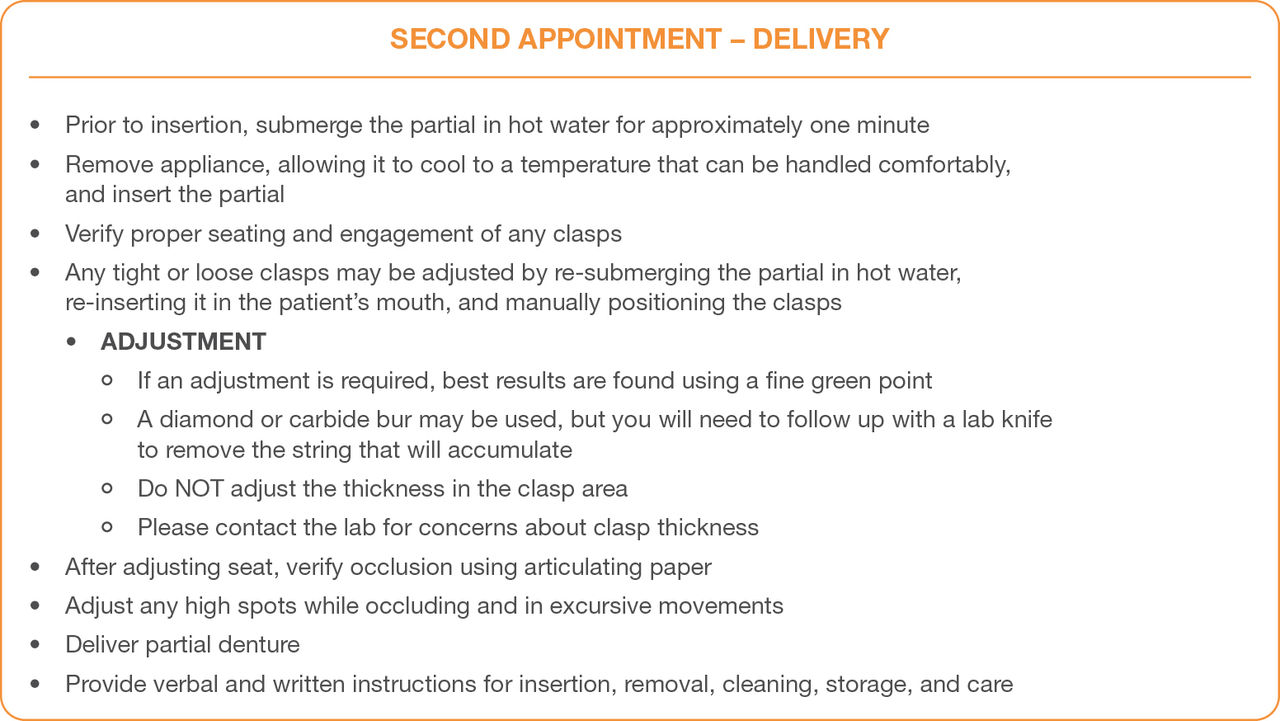
To download this Glidewell-exclusive clinical workflow, click HERE.
An inside peek at the Glidewell removables lab showcases just how these appliances can achieve the level of precision, comfort and esthetics that make them so successful with patients and so popular with dentists.
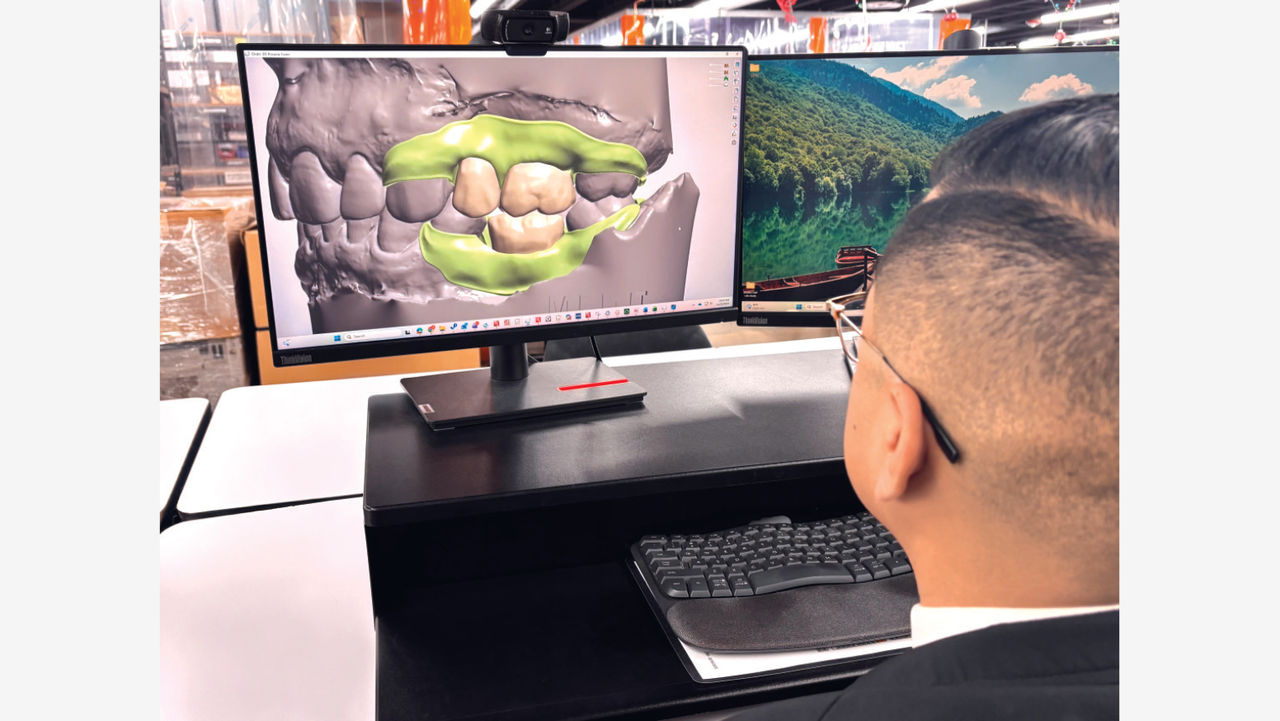
A dental technician uploads the digital intraoral scan file and uses CAD/CAM software to precisely design the flexible partial.
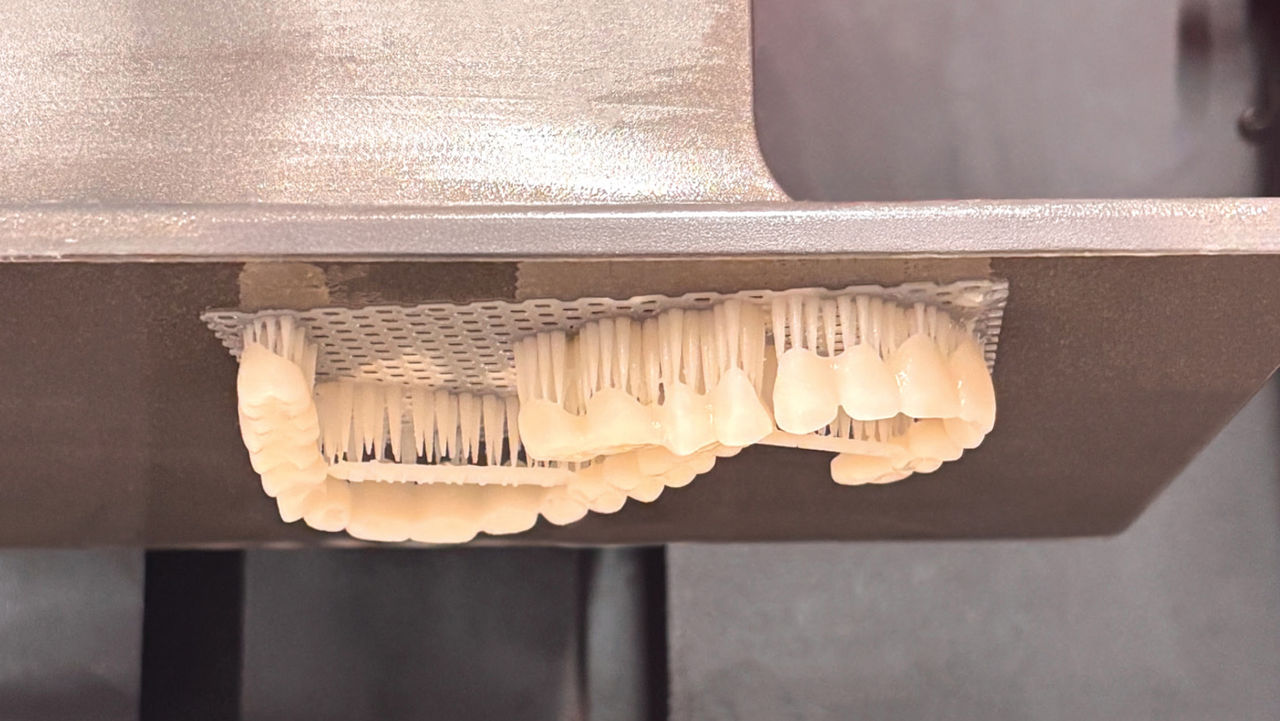
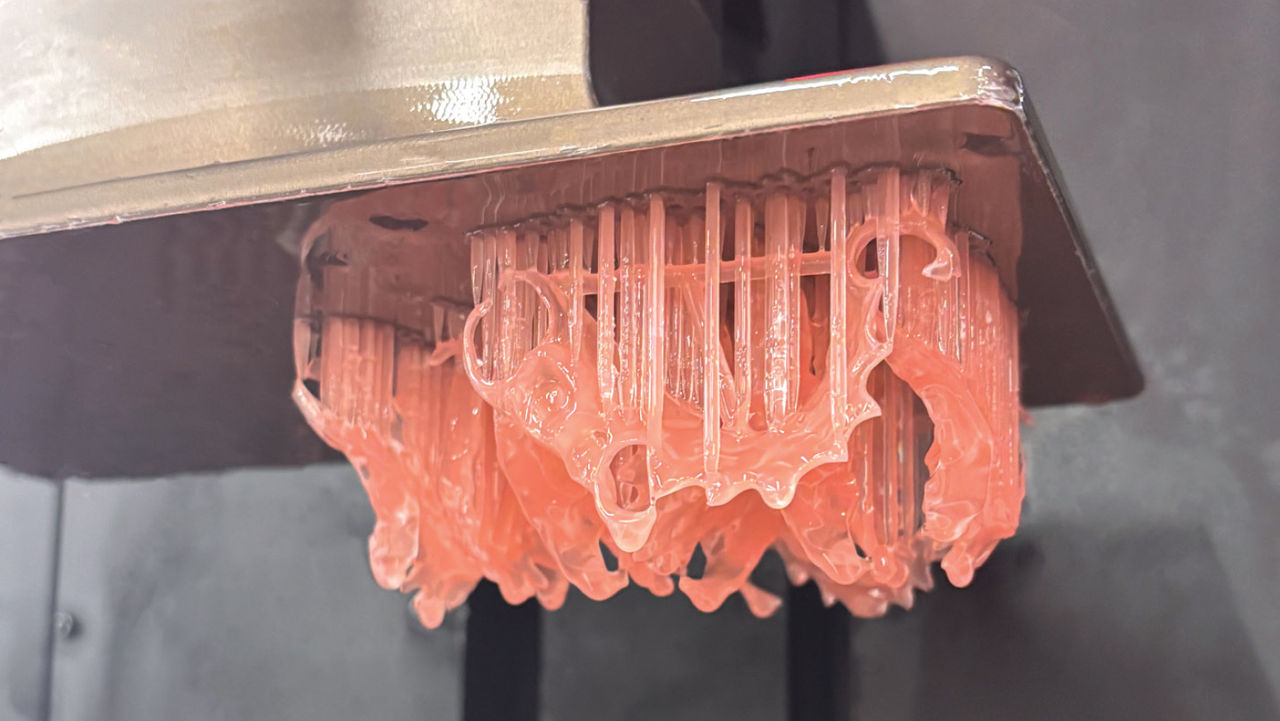
The teeth and base are printed separately using Glidewell’s proprietary light-cured resins: the teeth can be printed in one of 15 VITA shades, and the gingiva in one of three shades.
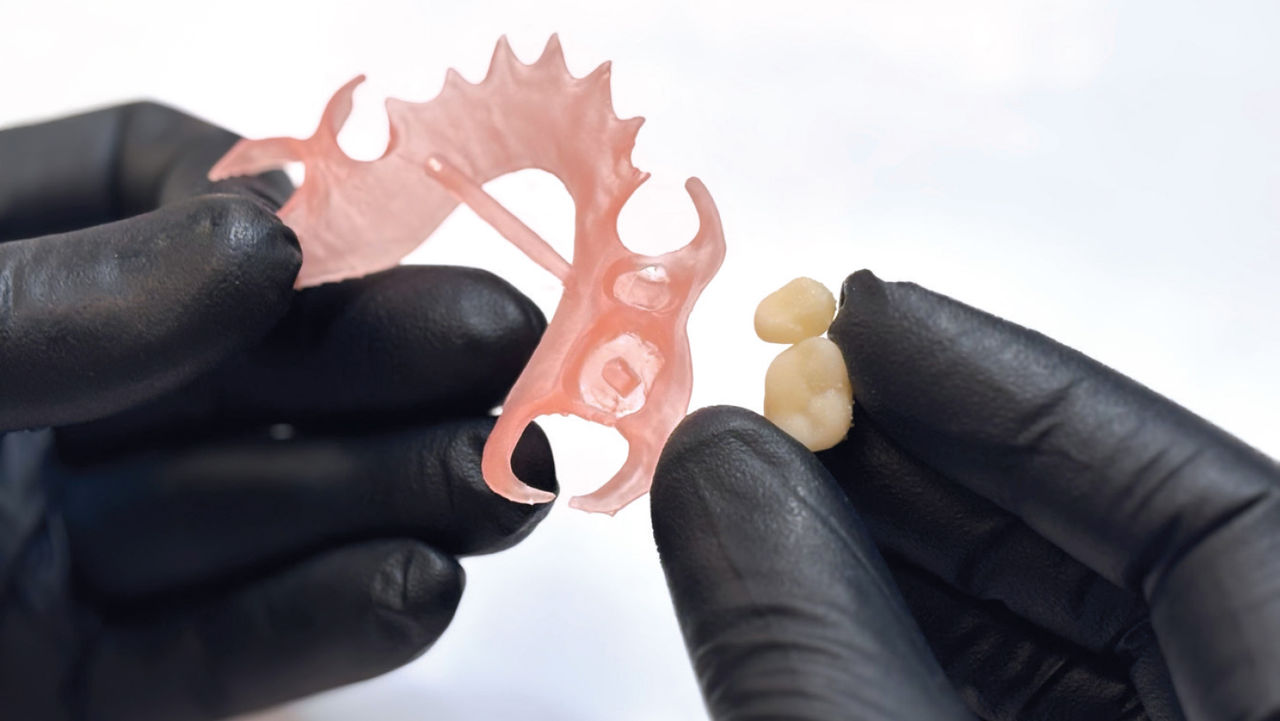
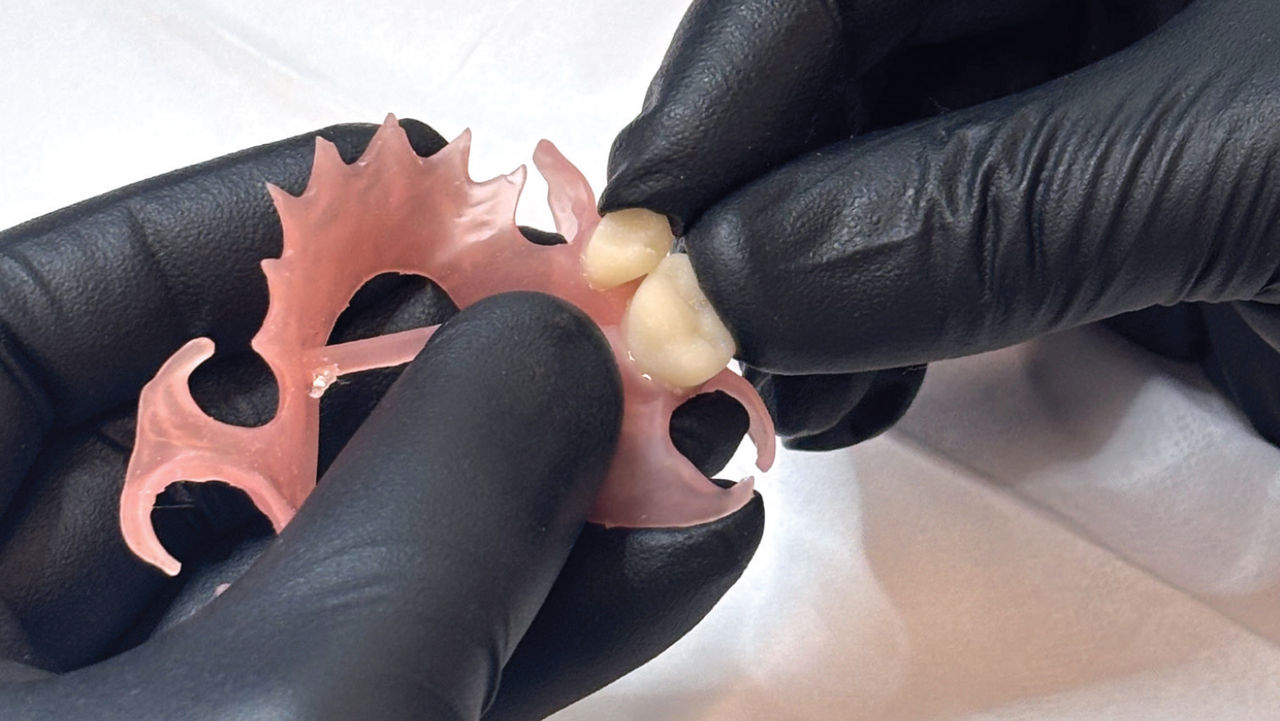
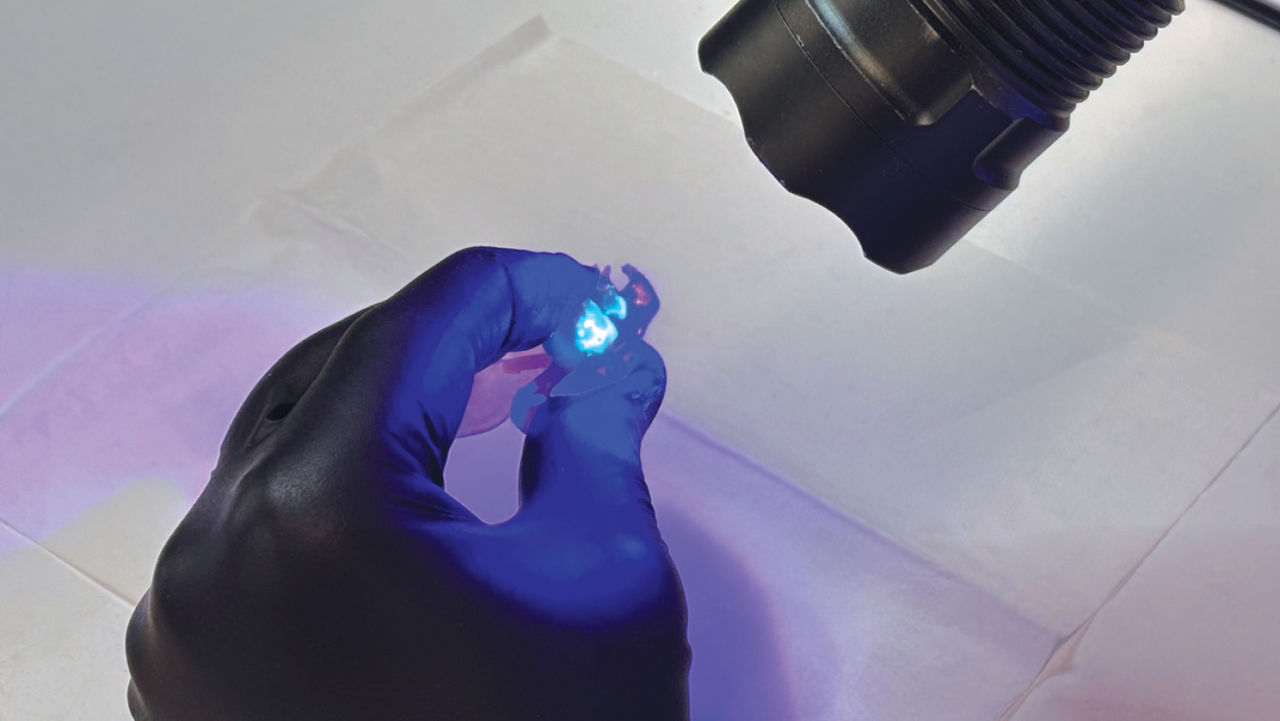
The base and teeth are bonded together and cured to solidify the bond and maximize strength.
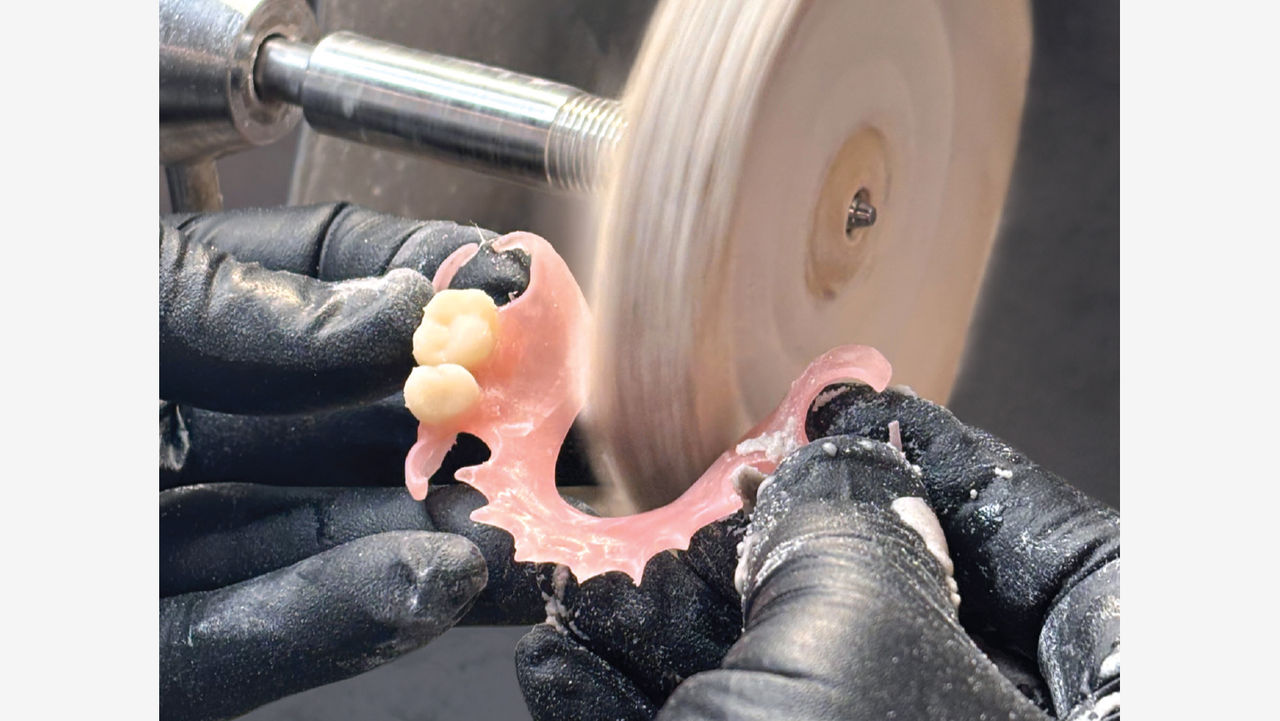
The appliance is then polished to provide its final glossy finish.
Simply Natural 3D Flexible Partials represent the future of the removable partial denture — combining digital precision, modern materials, and efficient workflows into a solution that benefits both patients and practices.
“These 3D-printed appliances are ideal for partial edentulism with a limited span,” said Dr. Danielle Brown, staff dentist at Glidewell, “And I often use them as a transitional solution when patients have had an extraction and are waiting for an implant to either be placed or integrated. They are also an excellent temporary solution for esthetically driven patients, both young and old. They’re comfortable, look great, and are made out of flexible material, so there are no metal clasps.”
Learn more about Simply Natural 3D Flexible Partials at glidewell.com/flexpartialdenture.
Send blog-related questions and suggestions to hello@glidewell.com.

2201 Dupont Dr., Irvine, CA 92612
© 2020-2026 Glidewell. All rights reserved.