
2201 Dupont Dr., Irvine, CA 92612
© 2026 Glidewell. All rights reserved.
800-854-7256 USA
The story behind Glidewell’s antimicrobial denture resins: a decade of relentless innovation, expert-led research and rigorous validation.

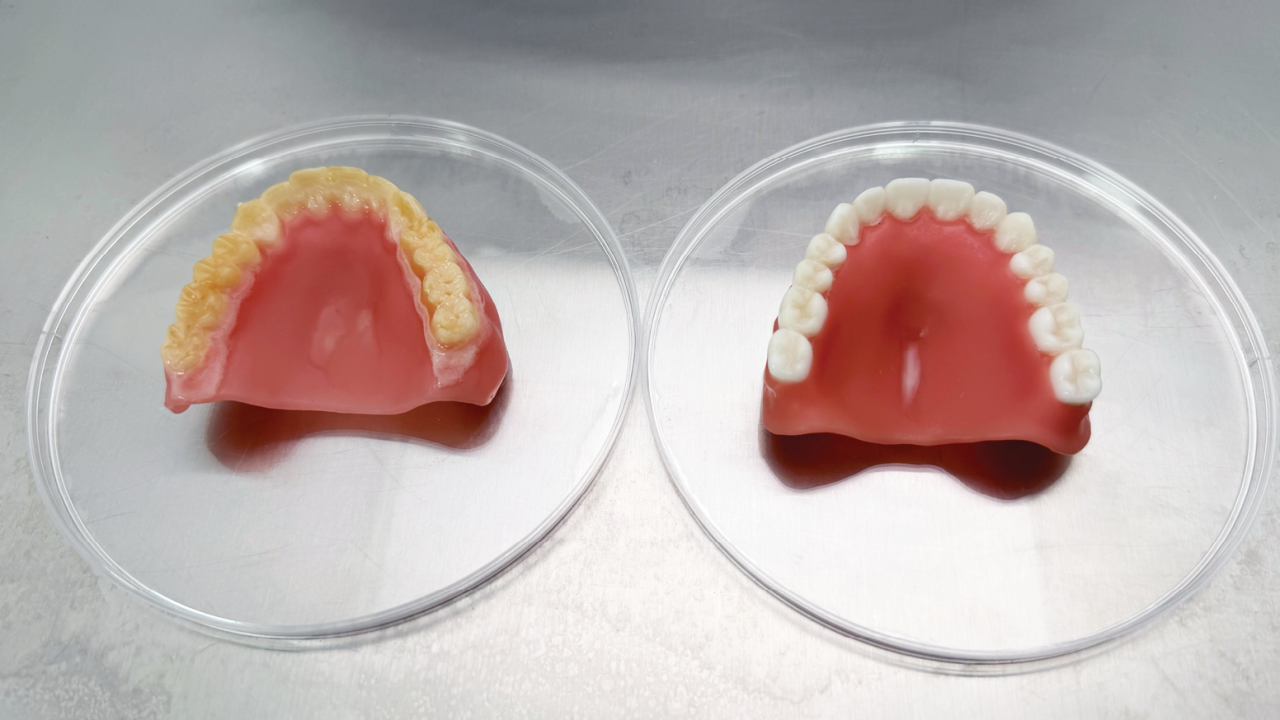
Every year, millions of denture wearers struggle with inflamed gums, persistent bad breath, fungal overgrowth, and even life-threatening systemic infections. Traditional acrylic and 3D-printed denture materials act like sponges for microbes, fostering thick biofilms that standard cleaning routines struggle to fully eliminate.
In 2015, Glidewell set out to challenge the status quo. Led by Senior Principal Scientist Xiaoxia “Maggie” Liu, a special research team has worked over the past decade to engineer proprietary antimicrobial 3D-printed denture resins that embed medical-grade silver sodium hydrogen zirconia phosphate (SSHZP) directly into the polymer matrix. The result? Dramatic, sustained reductions in biofilm formation, validated through rigorous in vitro testing.
This is the story of how one scientist’s vision, with staunch corporate support for relentless innovation and rigorous testing, transformed a material-science challenge into a powerful tool for safeguarding oral and systemic health.
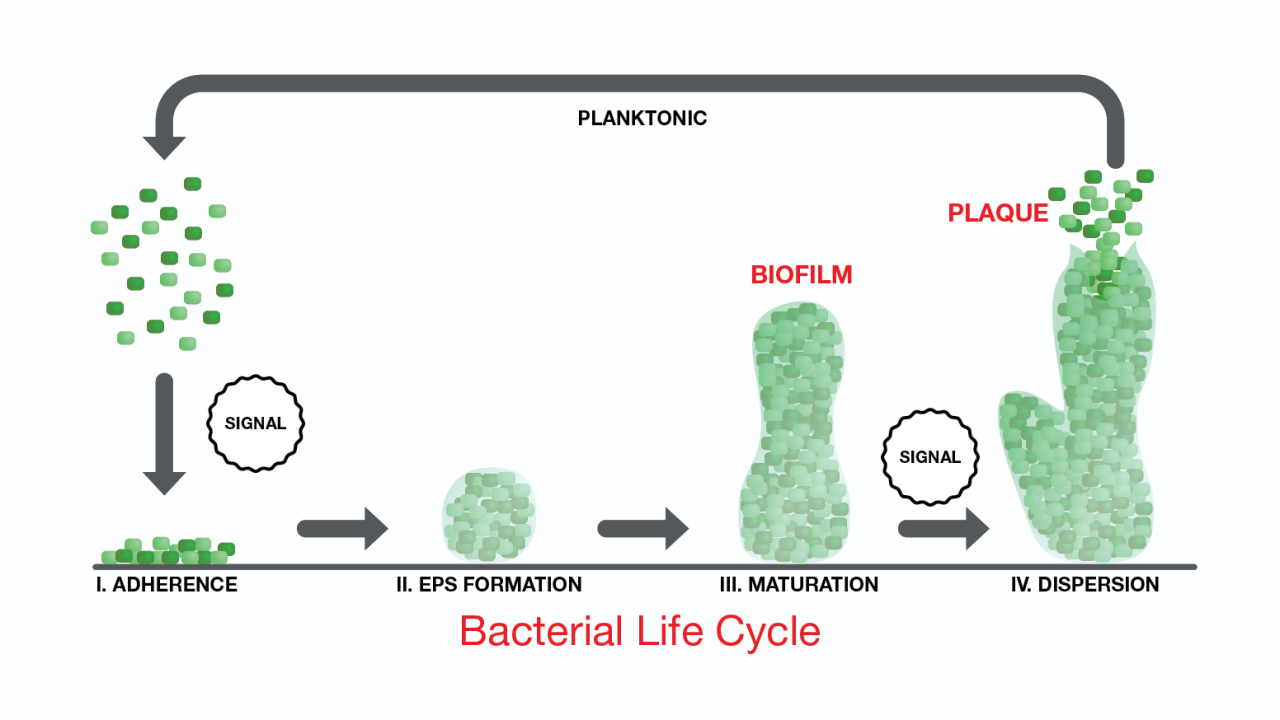
Dentures restore function, confidence, and quality of life for tens of millions of people worldwide. Yet they come with a hidden cost. Acrylic and methacrylate resins are inherently hydrophobic and porous, creating ideal surfaces for microbial adhesion. Within hours, bacteria and fungi begin to colonize, progressing through the classic biofilm life cycle: adherence, extracellular polymeric substance (EPS) formation, maturation, and dispersion.
Clinical data paints a sobering picture. Up to 67% of denture wearers develop denture-induced stomatitis — a painful inflammatory condition driven largely by Candida species. Biofilm on dentures harbors higher fungal loads than natural tooth plaque. Prolonged wear can lead to malodor, increased risk of decay in remaining teeth, periodontal disease, and systemic complications including aspiration pneumonia, pulmonary candidiasis, and even infectious endocarditis.
Elderly patients, who represent the majority of denture wearers, are especially vulnerable. Many lack the dexterity or energy for meticulous daily cleaning. Overnight wear further elevates pneumonia risk by more than twofold. Hospitalized or nursing-home residents face additional threats from superbugs like methicillin-resistant Staphylococcus aureus (MRSA) and vancomycin-resistant Enterococcus (VRE), which readily colonize denture surfaces.
Traditional solutions such as antimicrobial coatings, soaking solutions, or quaternary ammonium additives have limitations. Coatings wear off, additives leach unevenly, and none reliably address long-term, repeated-use scenarios that mirror real patient life. Glidewell saw an opportunity to build a better solution from the inside out.
Maggie Liu joined Glidewell in 2015 with a unique background that perfectly positioned her to tackle this problem. For 17 years at Allergan, she had worked in medicinal chemistry, identifying drug targets and developing molecules for cancer, diabetes, and other diseases. Her graduate training, however, was rooted in material science — the precise skill set needed for medical-device innovation.
Tasked with developing antimicrobial products for dental applications, Liu started from ground zero. Early testing was outsourced, expensive, and slow, with results delivered after weeks or months. “If we want to get the result quickly, we have to run the test ourselves,” Liu told colleagues. One-week turnaround would allow rapid reformulation and iteration.
Fortunately, she discovered Glidewell Founder and President Jim Glidewell, CDT, to be an acknowledged proponent of vertical integration for reasons such as quality control, supply chain management, cost-effectiveness, and time compression. With support from company leadership, Liu built the microbiology lab from scratch. It began small, with one intern, and basic equipment, but ultimately proved transformative, accelerating development while ensuring quality and curtailing costs.
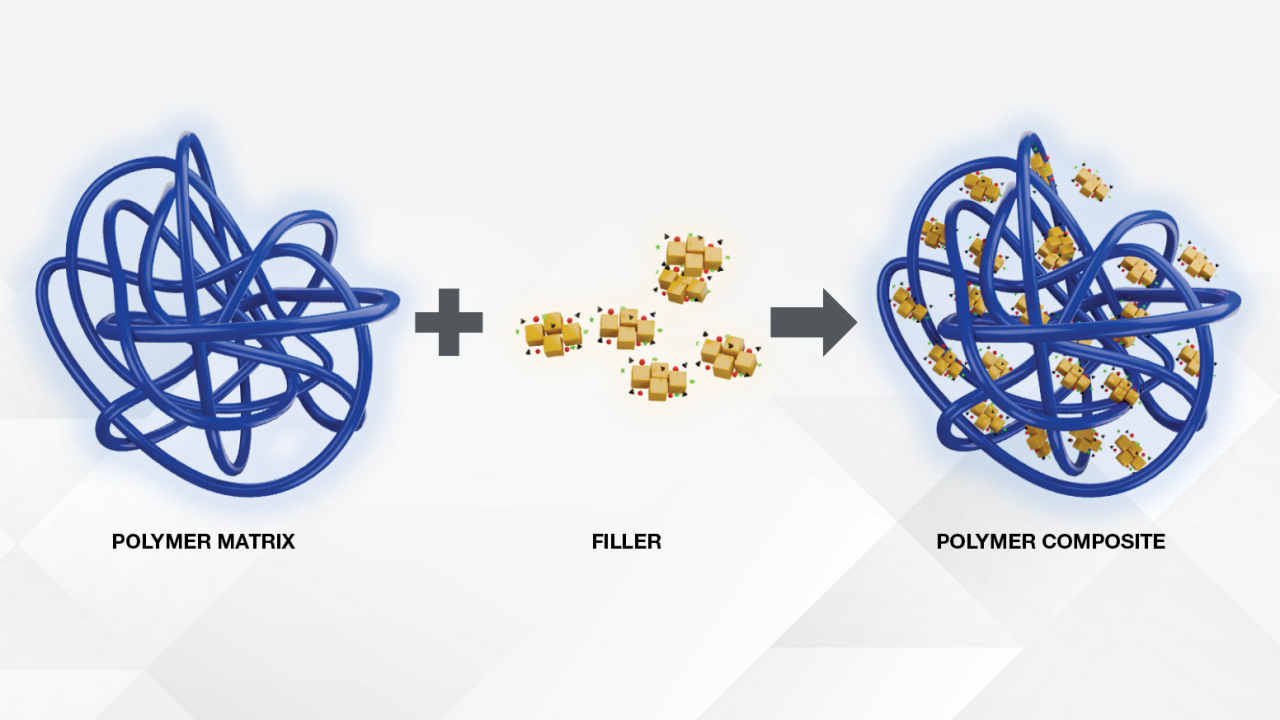
The first years were spent identifying the right antimicrobial agent and delivery method. After extensive screening, the team selected silver sodium hydrogen zirconia phosphate (SSHZP). Unlike nano-silver particles that oxidize, discolor, and lose potency, SSHZP anchors silver ions within a stable zirconium framework. This medical-grade filler is uniformly dispersed throughout the polymer matrix during resin formulation — no surface coating required.
By embedding the antimicrobial directly into the resins used for 3D printing, Glidewell created a material that maintains efficacy even after polishing, cleaning, and repeated clinical use. Patents followed (U.S. Pat. Nos. 11,708,442 B2 and 12,195,570 B2, among others), and the technology earned FDA 510(k) clearance, permitting clear marketing claims of antimicrobial effectiveness.
No innovation reaches patients without ironclad data. Glidewell’s team subjected the antimicrobial 3DP Denture Base Resin to a battery of standardized and clinically relevant tests.
Short-term antimicrobial activity followed ASTM E2180-07. Disc-shaped specimens (antimicrobial vs. commercial control) were challenged with ten clinically relevant organisms: Streptococcus mutans, S. mitis, Staphylococcus aureus, MRSA, VRE, Klebsiella pneumoniae, Escherichia coli, Candida albicans, C. tropicalis, and C. glabrata. After 24 hours of direct contact, the antimicrobial resin produced statistically significant reductions (P < 0.001) across all species — often reducing colony-forming units (CFUs) to near or below detection limits (0.1 log₁₀ CFUs/mL). The published results appeared in General Dentistry (November/December 2025), confirming potent broad-spectrum activity.
Long-term durability was evaluated under real-time and accelerated conditions per ASTM F1980-16. Specimens were stored in artificial saliva for up to six months (single-use and repeated-use protocols) and subjected to 36-month accelerated aging. Even after polishing and repeated microbial challenges, the resin maintained significant reductions against S. mutans and C. albicans (P < 0.05). This addressed a key market concern: “How long does the antimicrobial last?” The data showed confidence for six months to three years of real-world performance.
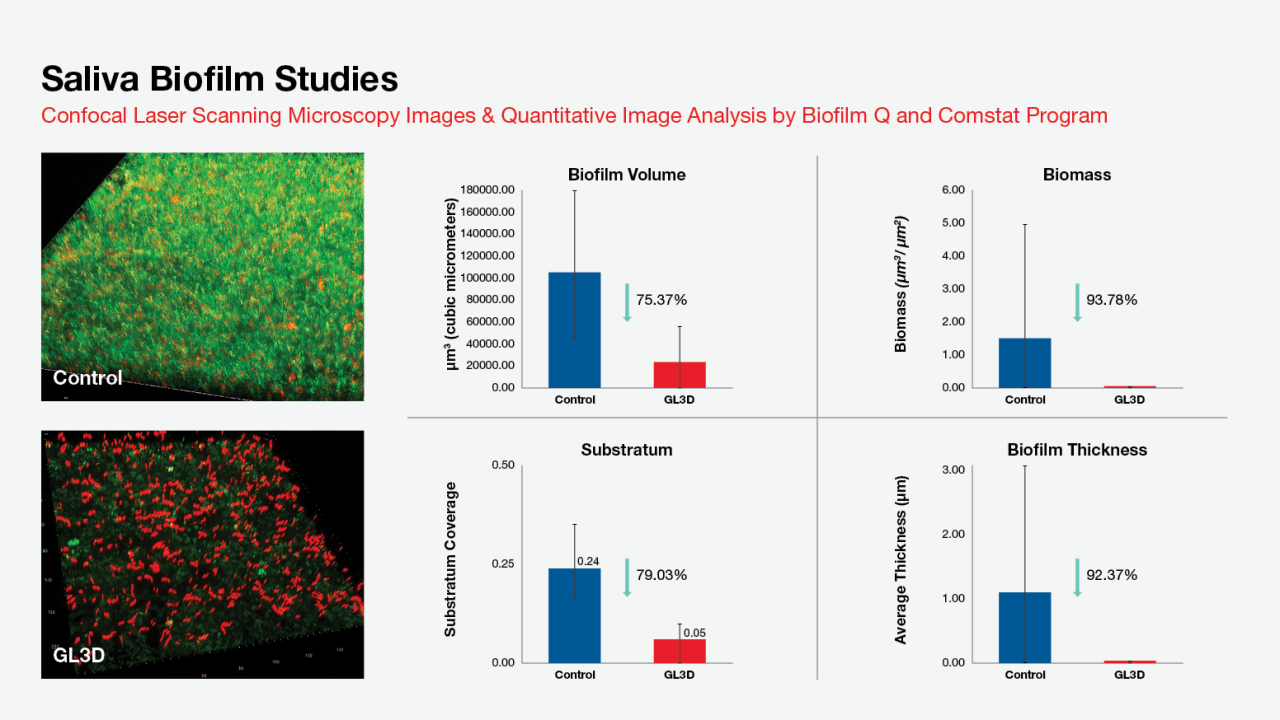
Salivary biofilm studies* took the science closer to clinical reality. In a study Maggie Liu was invited to present at the prestigious Antibiotics 2026 conference in Barcelona, Spain (May 11–14, 2026), pooled saliva from 30 healthy donors was spiked with a full panel of oral pathogens (S. mutans, S. mitis, S. aureus, MRSA, VRE, multiple Candida species). Coupons were incubated in a DripFlow Biofilm Reactor for 24 hours at 37 °C, simulating continuous salivary flow and nutrient exposure.
Results were striking:
Confocal laser scanning microscopy (CLM) combined with BiofilmQ and COMSTAT quantitative analysis revealed even more dramatic structural changes. Biofilm volume dropped 75.37%, biomass 93.78%, substratum coverage 79.03%, and average thickness 92.37%. Live/dead staining showed lush green (viable) biofilms on control surfaces versus sparse red (dead) patches on GL3D coupons.
A 52-day timelapse study provided visual proof: control dentures developed heavy plaque buildup, while GL3D dentures remained visibly cleaner despite identical C. albicans exposure and no interim cleaning.
These findings are detailed in the manuscript “Long-term Impact of Antimicrobial Denture on Salivary Biofilm Formation: an in vitro study,” currently under review and co-authored with key opinion leader Dr. Sreenivas Koka and the full Glidewell microbiology team (Behailu Eshetea, Maha Leila, Timothy Cho, and others).
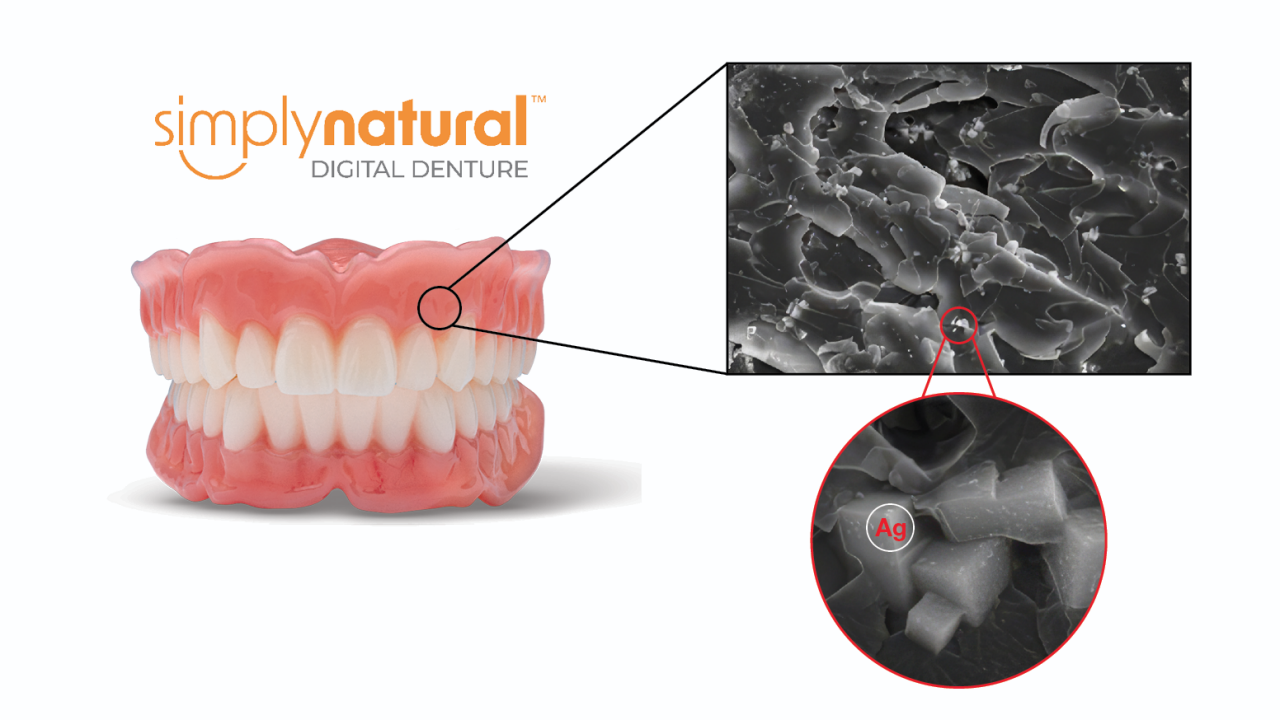
Effectiveness lies in the material design. SSHZP particles are integrated throughout the polymer matrix during resin formulation for digital light processing (DLP) 3D printers. Scanning electron microscopy (SEM) confirms uniform distribution — no clustering, no migration to the surface.
When microbes contact the denture, silver ions are released in controlled fashion. They disrupt cell membranes, generate reactive oxygen species (ROS), damage proteins, and interfere with DNA/RNA processes, killing bacteria and fungi without promoting rapid resistance. Because the antimicrobial is embedded rather than coated, efficacy persists after polishing and repeated cleaning cycles that would strip traditional surface treatments.
This “set-it-and-forget-it” approach is intended to complement recommended patient hygiene protocols, not replace them. As Liu emphasizes: “Antimicrobial denture aids in keeping oral appliance clean and is not a substitute for regular cleaning.”
The same SSHZP-infused resin technology is now being extended across Glidewell’s portfolio. High-impact dentures that are stronger and more fracture-resistant, as well as other oral appliances and restorative materials, are in various stages of development or feasibility. The platform’s versatility stems from its embedded nature: the antimicrobial travels with the material through any printing or milling workflow.
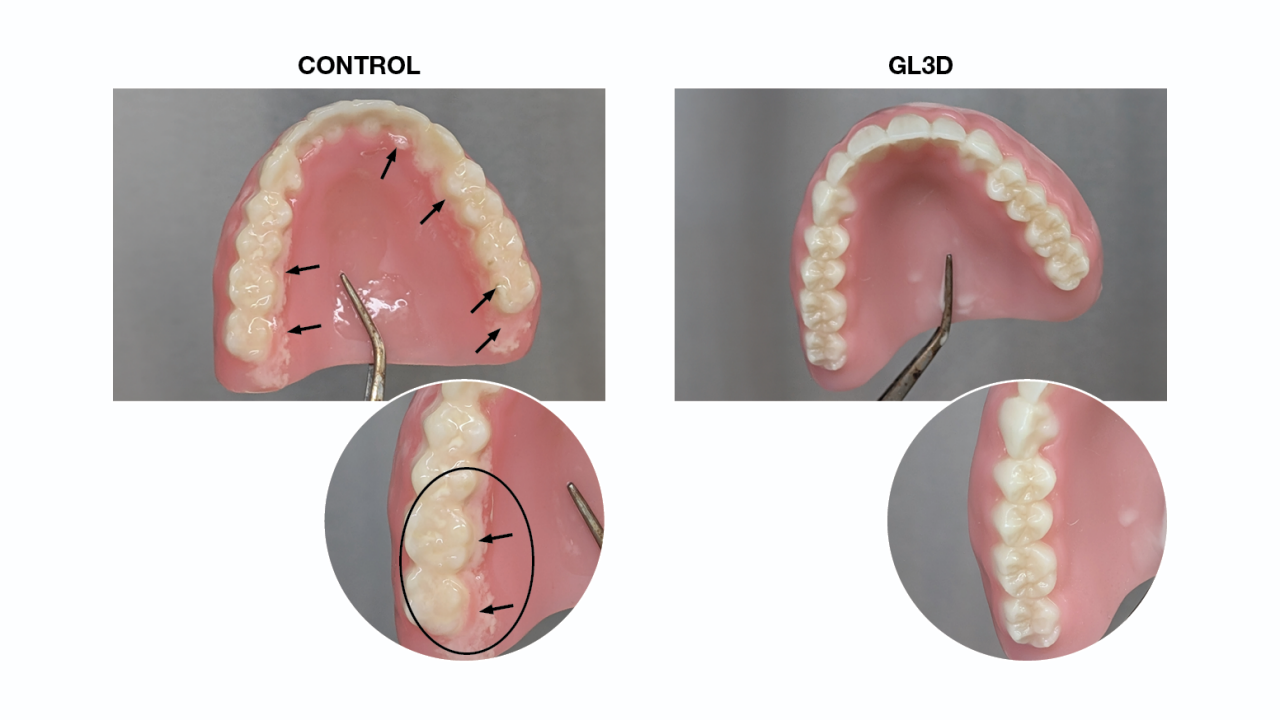
By reducing biofilm at the source, Glidewell’s antimicrobial dentures have the potential to lower the incidence of denture stomatitis, halitosis, and secondary infections. For elderly and immunocompromised patients, this could translate into fewer hospitalizations for aspiration pneumonia and reduced reliance on systemic antifungals — an important consideration amid rising antimicrobial resistance.
The work also contributes to the broader scientific conversation. Liu’s oral presentation at Antibiotics 2026, “The Impact of Novel Antimicrobial 3D-Printed Dentures on Salivary Biofilm Formation: An in vitro Study,” highlighted human-saliva-based testing as a bridge between laboratory data and real-world clinical outcomes. Future in vivo trials with actual denture patients are already in planning.
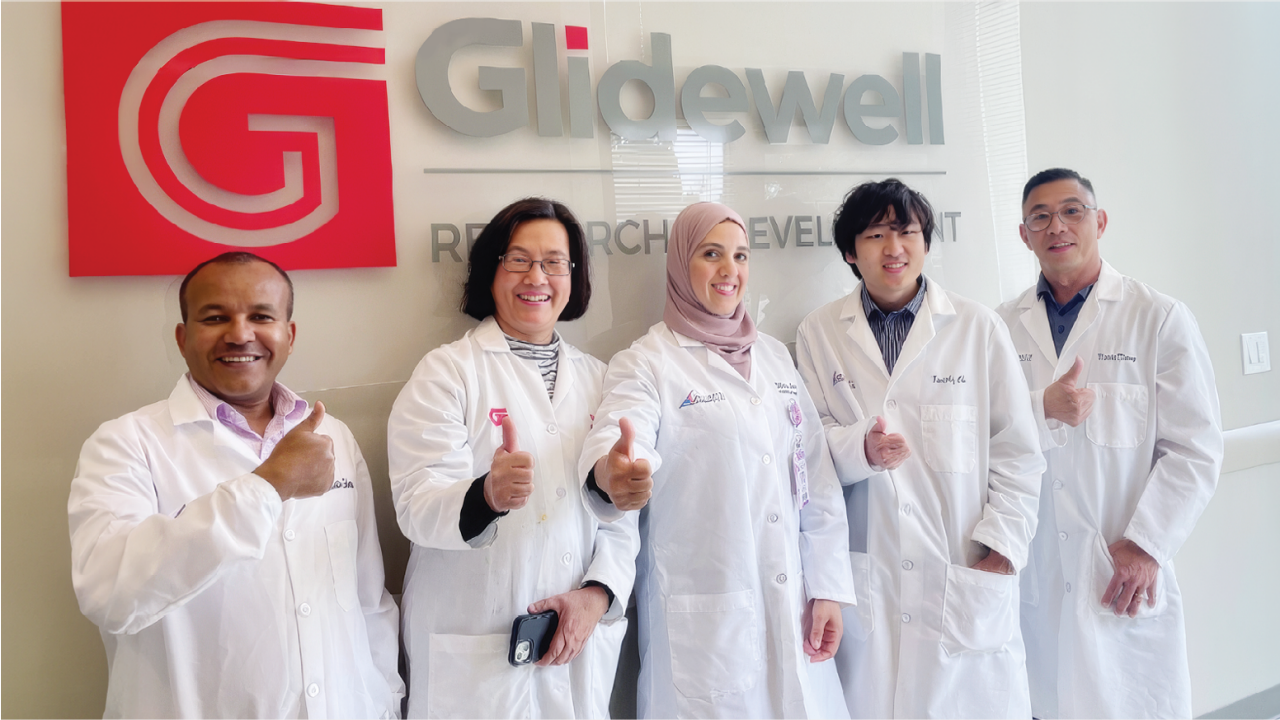
Microbiology Team (from left): Behailu Eshetea, Maggie Liu, Maha Leila, Timthy Cho, Kevin Duong
None of this would have been possible without Glidewell’s fundamental willingness to invest in R&D infrastructure and long-term vision. Building a microbiology lab, supporting multi-year testing protocols, and iterating through COVID-era disruptions required sustained commitment. The result is a vertically integrated system that allows for rapid translation from concept to FDA-cleared product.
As Liu reflects: “We started from baseline … This is really the innovation.”
Glidewell’s antimicrobial 3D-printed denture resins represent more than a material upgrade. They are a proactive step toward preventive oral-systemic health. By embedding stable, broad-spectrum antimicrobial protection directly into the device patients wear daily, the company is helping turn dentures from potential infection reservoirs to a first line of baterial defense.
Patients and clinicians interested in experiencing the difference can explore Simply Natural™ Digital Dentures at glidewell.com. Researchers and industry peers are invited to follow the ongoing work through upcoming publications and conference presentations.
In a post-COVID era, where antimicrobial resistance continues to appear in global headlines, Glidewell’s approach offers a refreshing model: engineer prevention into the device itself, validate it relentlessly, and deliver it at scale through digital manufacturing. The smiles and healthier futures of millions of denture wearers will be brighter for it.
REFERENCES
*Disclaimer: The results of this saliva biofilm study are from non-GLP, exploratory laboratory testing that was not formally documented and was not submitted as part of the device’s 510(k) clearance. They are presented for research purposes only and should not be interpreted as evidence of cleared performance or labeling claims at this time.
Send blog-related questions and suggestions to hello@glidewell.com.

2201 Dupont Dr., Irvine, CA 92612
© 2026 Glidewell. All rights reserved.