
2201 Dupont Dr., Irvine, CA 92612
© 2026 Glidewell. All rights reserved.
800-854-7256 USA
Review this practical guide to the key considerations that determine which implant crown retention method is right for each case.


Dental implants have transformed tooth replacement, but implant placement is only part of the restorative decision-making process. Once the implant position, angulation and restorative space are established, the clinician must determine how the definitive crown will be retained: with a prosthetic screw or with cement.
Both screw-retained and cement-retained implant restorations remain well-established treatment options. In most cases, the decision is not which approach is universally better, but which is more appropriate for the specific implant position, esthetic zone, restorative space and long-term maintenance plan.
Choosing the right retention method starts with understanding what sets these two approaches apart. Each achieves crown retention differently, and those mechanical differences influence everything from restorative workflow to how complications are managed down the line. Let’s briefly break down the differences between screw- and cement-retained implant crowns.
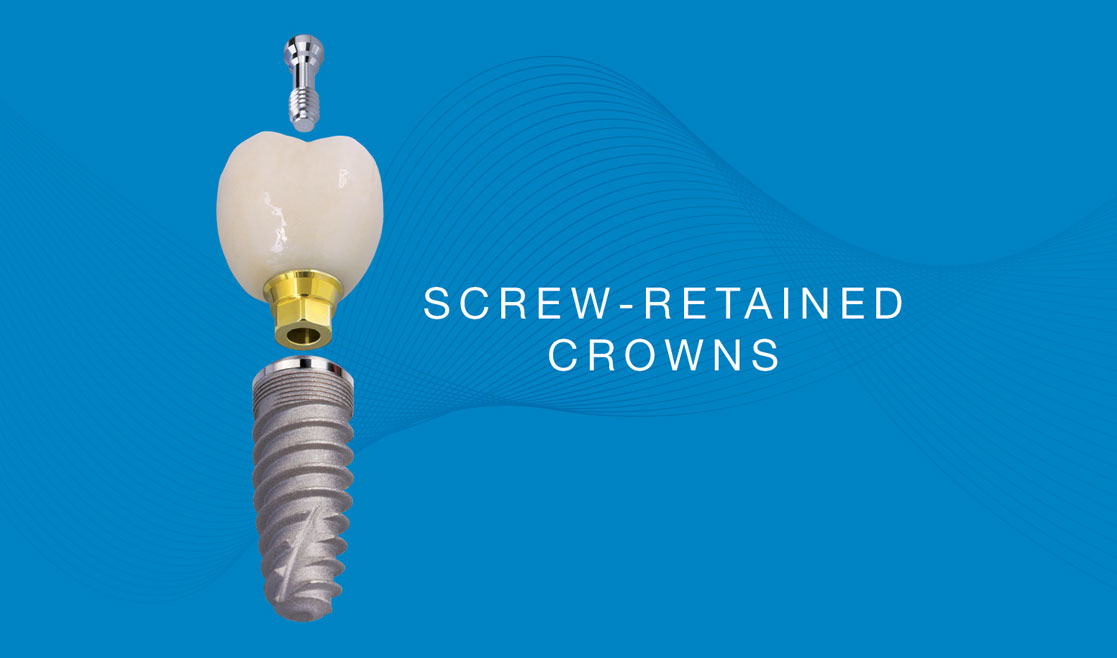
A screw-retained implant crown is a restoration secured to the implant or to a screw-retained implant abutment or Ti-base assembly with a prosthetic screw. The restoration is accessed through a screw channel, which allows removal and reinstallation when maintenance, component evaluation, or repair is needed.
One of the main advantages of screw retention is retrievability. Because the restoration is retained mechanically rather than by intraoral cementation, it can usually be removed without destroying the crown or disturbing the peri-implant tissues. This has made screw-retained workflows increasingly attractive, particularly as digital planning, guided surgery and angled screw-channel options have improved restorative control.
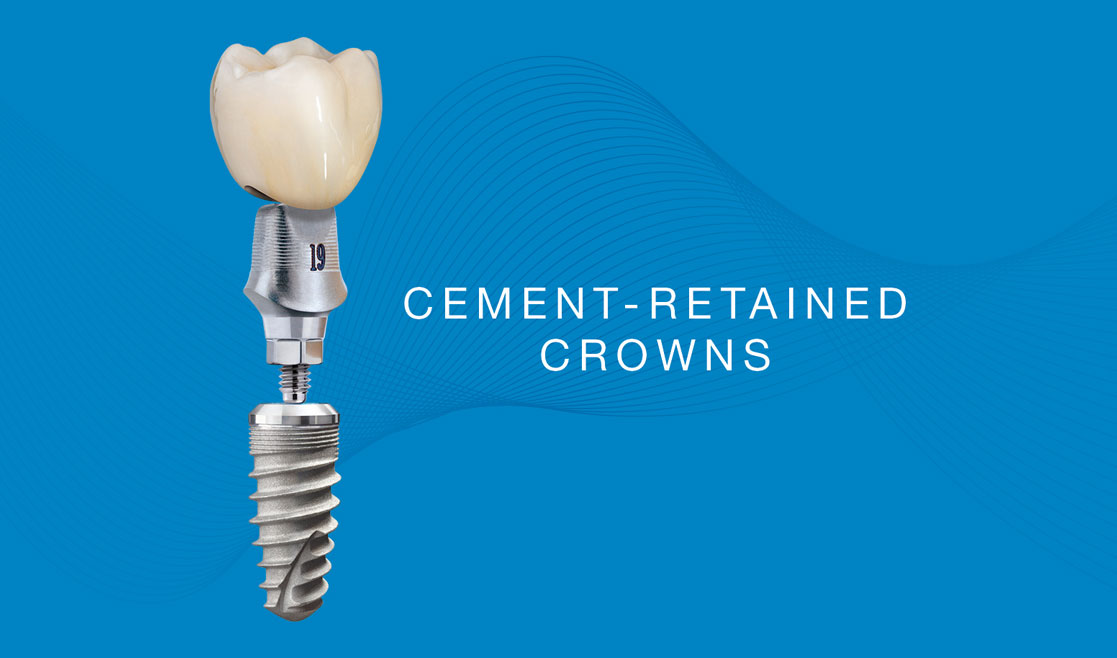
A cement-retained implant crown is a restoration that is cemented onto an implant abutment, which may be stock or custom. In this design, retention is achieved at the crown-abutment interface rather than with a screw passing through the crown itself.
Cement retention can be advantageous when implant angulation places the screw-access channel in a prosthetically or esthetically unfavorable position, particularly in the anterior region. It may also be selected when abutment design is being used to optimize emergence profile, margin location and support of the peri-implant soft tissues. The tradeoff, however, is reduced retrievability and the need for meticulous cement control.
From a clinical success standpoint, both restoration types have demonstrated high survival rates and predictable clinical performance when properly planned and restored appropriately. Research and consensus reviews have consistently shown that both screw-retained and cement-retained restorations can provide predictable long-term outcomes when restorative principles are followed.
For most clinicians, the decision is less about which restoration is "better" and more about which restoration is best suited for the specific clinical situation.
One of the most significant differences between the two approaches is retrievability.
Screw-retained restorations can typically be removed for maintenance, hygiene access, component replacement or restorative modification without damaging the restoration. This can simplify management if complications occur in the future.
Common reasons for retrieval include:
Cement-retained restorations can be more challenging to retrieve once cemented. Removal often risks damaging the crown or abutment and may require fabrication of a new restoration.
For this reason, many clinicians prefer screw-retained solutions whenever implant position allows.
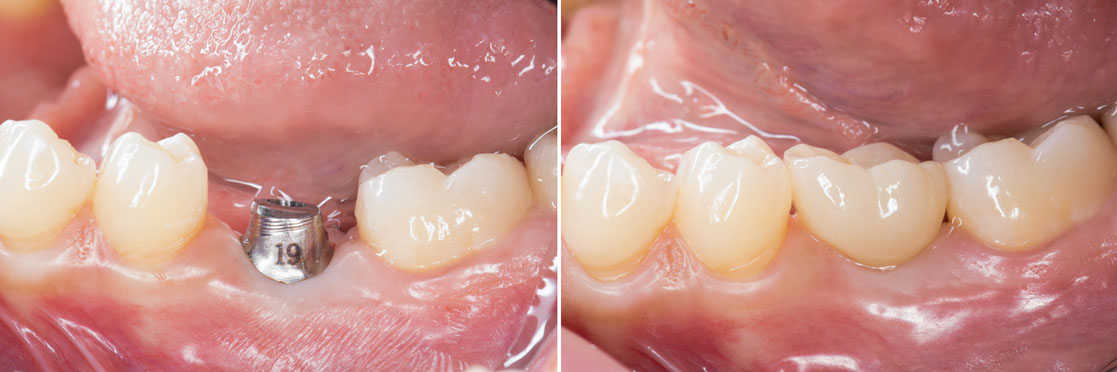
Esthetics often play an important role in restoration selection, particularly in the anterior region. When implant placement results in a screw access channel emerging through the incisal edge or lingual surface, a screw-retained restoration may provide excellent esthetic outcomes.
However, when implant angulation causes the access channel to emerge through the facial surface of the restoration, esthetics can become compromised. Historically, these cases often favored cement-retained restorations. Today, angled screw channel (ASC) technology has expanded the range of cases that can be restored using screw retention by redirecting the ASC away from the facial surface. The use of an ASC is case, system, and material dependent.
As a result, many cases that previously required cement retention can now be restored with screw-retained solutions while maintaining esthetic outcomes.
Available restorative space can also influence restoration design. Screw-retained restorations generally require fewer components and can be advantageous when vertical space is limited.
Cement-retained restorations require additional room for the implant platform, abutment and restorative material thickness. In cases with restricted interocclusal space, this may create restorative challenges. Evaluating restorative space during treatment planning helps avoid complications like remakes later in the workflow.
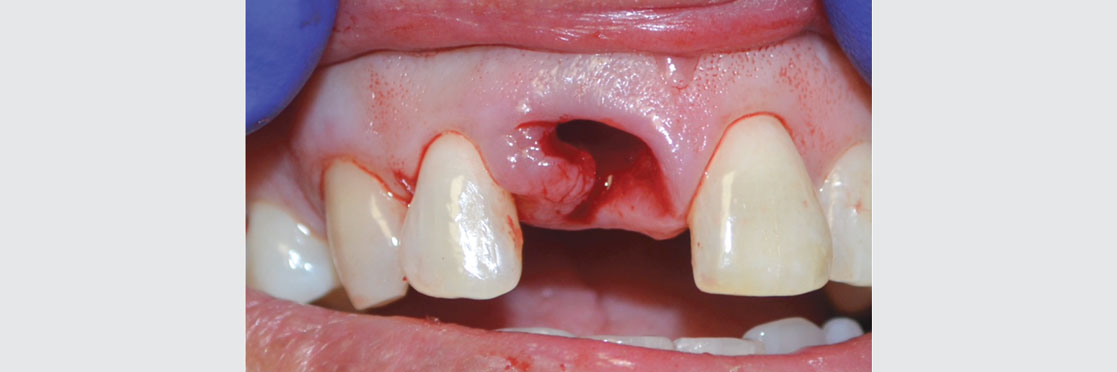
Both restoration types have unique complication profiles. Potential biologic complications associated with cement-retained restorations include:
Careful margin placement and cement management can significantly reduce these risks. Potential technical complications associated with screw-retained restorations include:
Fortunately, many technical complications can be addressed through retrieval and repair without always replacing the restoration.
Neither retention method is universally superior, and the right choice depends on the specific demands of each case. Implant position, esthetic requirements, restorative space and long-term maintenance goals all play a role. The following clinical indicators can help guide the decision, along with the treatment planning approach that gives clinicians the most restorative flexibility from the start.
A screw-retained restoration may be a strong option when:
Implant positioning supports favorable screw access emergence
These factors have contributed to the growing popularity of screw-retained restorations in everyday implant practice.
A cement-retained restoration may still be appropriate when:
When proper cementation protocols are followed, cement-retained restorations remain a predictable treatment option.
The choice between screw-retained and cement-retained restorations — and even the hybrid screwmentable approach — often begins long before the final restoration is fabricated. Implant position, angulation and restorative space all influence which restorative options will be available at delivery.
This is why many clinicians embrace a restorative-driven planning approach. By considering the final restoration during treatment planning, clinicians can often improve esthetic outcomes, simplify restoration delivery and reduce the likelihood of future complications. When surgical and restorative goals are aligned from the beginning, clinicians gain greater flexibility in choosing the restoration that best serves the patient.
Both screw-retained and cement-retained implant crowns have earned a place in modern implant dentistry. Screw-retained restorations offer advantages in retrievability, maintenance and digital workflow integration, while cement-retained restorations continue to provide valuable solutions in specific esthetic and angulation-driven situations.
Rather than viewing the two approaches as competitors, clinicians should consider them complementary tools within a comprehensive restorative toolkit. The most predictable outcomes often result from thoughtful treatment planning, proper implant positioning and selecting the restoration that best fits the clinical situation.
Send blog-related questions and suggestions to hello@glidewell.com.
/GL-DB-6859919-080426-1.jpg/_jcr_content/renditions/thumb-jpeg-mobile-full.jpeg)


2201 Dupont Dr., Irvine, CA 92612
© 2026 Glidewell. All rights reserved.