
2201 Dupont Dr., Irvine, CA 92612
© 2026 Glidewell. All rights reserved.
800-854-7256 USA
Learn the best practices from a physician’s perspective for implementing a more effective process for getting medical clearance for dental procedures.

Medical clearance is a critical component of dental implant care, yet it is often misunderstood or poorly executed. Physicians frequently encounter incomplete or inadequate requests from dental practices, including missing clinical details, unclear surgical timelines, and in some cases, no formal clearance documentation at all. Without a structured and thorough medical clearance process, implant procedures can become unpredictable, increasing the risk of complications and exposing both dentists and patients to avoidable harm.
It’s important to understand medical clearance from a dentist’s perspective, but the two-way communication required for this process makes understanding the physician’s perspective just as imperative. First, let’s establish a clear definition of medical clearance, and what aspects of it differ from the physician’s point of view.
Medical clearance from a patient’s physician is commonly requested before dental implant surgery to ensure the patient is medically safe to be receiving that specific treatment. It requires a written consent form that’s completed after the physician has assessed their patient is clear to undergo the procedure. Here’s an overview of the most important things to remember about medical clearance:
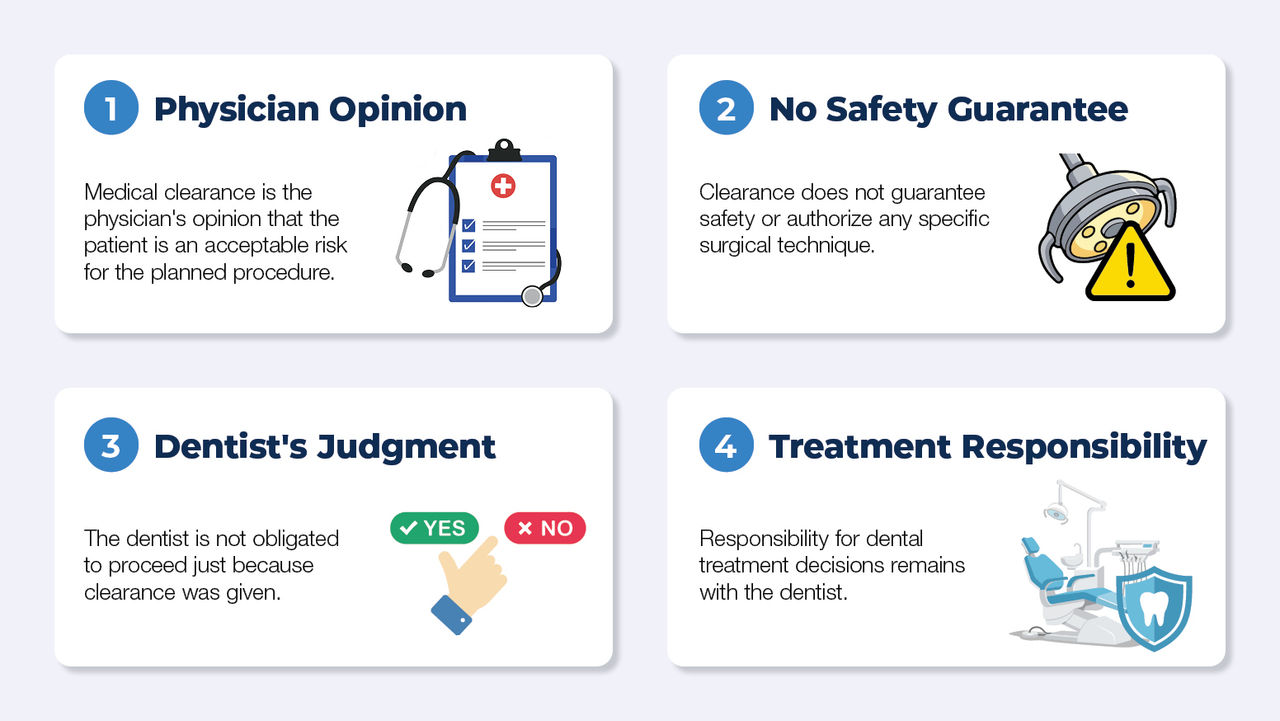
What dentists might not understand is that from a physician’s perspective, medical clearance is based on different medical guidelines that don’t account for dental surgery specifics like hemostatic control, osteonecrosis, or anesthetics.
Based on a survey of physicians, risk for dental procedures gets stratified into three categories: low, moderate and high.
These broad risk classifications are the guidelines many physicians use, so without more specific information dental clearance is viewed by physicians with less nuance. This inherent gap is what leads to poorly informed clearances that can put patients — and dental practices — at risk.
Communication between a dentist and physician can be frustrating, especially when trying to obtain medical clearance for surgery. Dentists might expect certain responses from physicians and vice versa, but breakdowns usually occur due to a difference in guiding principles. Part of bridging this gap and reducing risk is first understanding the limitations of both sides.
There are many gaps in the physician’s knowledge when it comes to dental implant treatment:
Medical clearance from the physician’s perspective focuses on systemic health, not dental procedure details. To get the accurate medical clearance, it’s therefore crucial for the dentist to provide as much information as possible via the medical clearance form.
Breakdowns on the dental side often stem from gaps in the medical evaluation workflow. Physicians rely heavily on detailed procedural information and typically assume that a dentist requesting clearance has already completed a thorough assessment. In practice, however, this is not always the case. Understanding the difference between physician expectations and the realities of dental practice limitations helps clarify where these disconnects occur. Here’s a look at physician’s assumptions vs. the occasional reality of the dentist’s limitations:
When it comes to coordination with specialists, physicians generally assume that patients have already been appropriately evaluated by anesthesiologists and any relevant specialists before a clearance request is made. Dentists, however, may not always recognize that clearance from a primary care physician alone is not necessarily sufficient. Rather than relying on a single approval, dentists should ask the patient’s physician to identify when additional specialist evaluation is warranted.
Another common gap involves assessing the current stage or severity of a patient’s systemic disease. A diagnosis listed on an intake form does not fully capture clinical risk. Take congestive heart failure as an example: While it may be documented as a relative contraindication, functional status varies widely. A patient in Class I has no limitation in physical activity and may not require additional clearance, whereas a patient in Class III has symptoms with minimal exertion and may require a higher level of care, such as performing the procedure in a hospital setting for safety.
The first thing dentists should never do when requesting medical clearance is send a patient over to the physician when they have an absolute contraindication. An absolute contraindication is a medical condition or circumstance that poses a life-threatening risk or fatal consequence for the person undergoing a procedure or treatment. In the context of dental implant treatment, absolute contraindications include, but are not limited to:
If sending a request for clearance with one of these conditions present, no physician should give approval, and therefore no procedure should take place for the patient’s safety.
Relative contraindications are what physicians are looking for. The list of these types of conditions is long, and evolving, but some common relative contraindications include:
These are situations in which the benefits of proceeding with the procedure may still outweigh the associated risks; however, the decision to perform any procedure ultimately rests with the dentist. Given the significant liability involved, obtaining thorough and appropriate medical clearance is essential. Verbal clearance obtained through a phone conversation with a physician is not sufficient and should not be relied upon.
Fax communication can be appropriate when addressing narrow, well-defined clinical questions on specific medical issues. But for more complex patients or situations that require a broader assessment, a comprehensive office visit should be available as an option. Including the possibility of a scheduled visit in the initial clearance request helps ensure a more thorough and defensible evaluation. It’s important to understand that physicians manage a high daily volume of faxes, prescription refills and patient portal messages, increasing the risk of oversight due to time constraints. As well, a patient’s clinical status may have changed since their last primary care visit, so relying solely on faxed clearance can miss new or evolving risks.
Fax communication is inherently limited in its ability to convey nuanced clinical information, making it insufficient for more complex medical considerations. For these reasons, using faxed requests as the default method for obtaining clearance is not recommended, as they often fail to support a thorough and defensible evaluation.
With knowledge of what not to do, the next section will look at recommendations from physicians for creating a smooth and efficient medical clearance process.
Requesting medical clearance may seem like tedious work, but it’s absolutely essential to have before performing any type of elective dental procedures. It’s a key part of protecting dentists from a legal perspective, so the better the medical clearance standard operating procedures in place, the more likely you are to avoid legal ramifications. The first step in getting a safe, repeatable workflow in place is understanding what physicians are looking for.
Medical clearance requires thorough patient assessment that can’t always be done just by fax or phone call. That’s why the most important first step should include consideration for the patient to schedule an appointment with their doctor. In-office visits have so many benefits:
Because physicians may not have seen the patient for an extended period, a faxed request may not reflect recent changes in the patient’s medical history since their last office visit. Having that direct contact is the best way to reassess their systemic conditions.
One of the worst things a dentist can do is send the patient over with a prescription form that simply says, “Please clear my patient for surgery.” There’s critical information that should always be included to ensure the patient is safe for a procedure:
1. Procedure details
-Procedure description
-Duration
-Estimated blood loss
-Anesthesia type
2. Patient- and medication-related information
-Anticoagulation plan (continue/hold/restart)
-Key medications and peri-/post-op adjustments
-Relevant medical conditions
-Pre-op parameters to be optimized
In addition to the information listed above, it’s also recommended to include a closing statement requesting medical clearance with the overall risk assessment. An example of this type of statement is something to the effect of: “Given all the above, do you consider the patient an acceptable candidate for this planned procedure, and under what conditions (if any) would you advise deferring or modifying treatment?”
For a medical clearance form that has all of this built in, use Dr. Randolph Resnik’s form that’s free to download on his website.
As implant practitioners, you are most familiar with the current evidence-based principles that guide your procedures. Including the most up-to-date dental literature with a medical clearance request is therefore one of the best ways to bridge knowledge gaps for physicians.
There are many scenarios that would warrant the inclusion of up-to-date dental literature for more accurate clearance, but some common situations include:
This post will highlight other systemic conditions and drug interactions later, but these are common scenarios some physicians who don’t often clear for implant procedures might be unfamiliar with.
It can’t be stressed enough: Providing physicians with literature enables better, safer outcomes for medically complex patients. Helpful resources physicians recommend include epocrates, a medical application great for checking drug interactions and accessing comprehensive drug monographs, and Perplexity, a free AI-powered search engine that sources verified evidence.
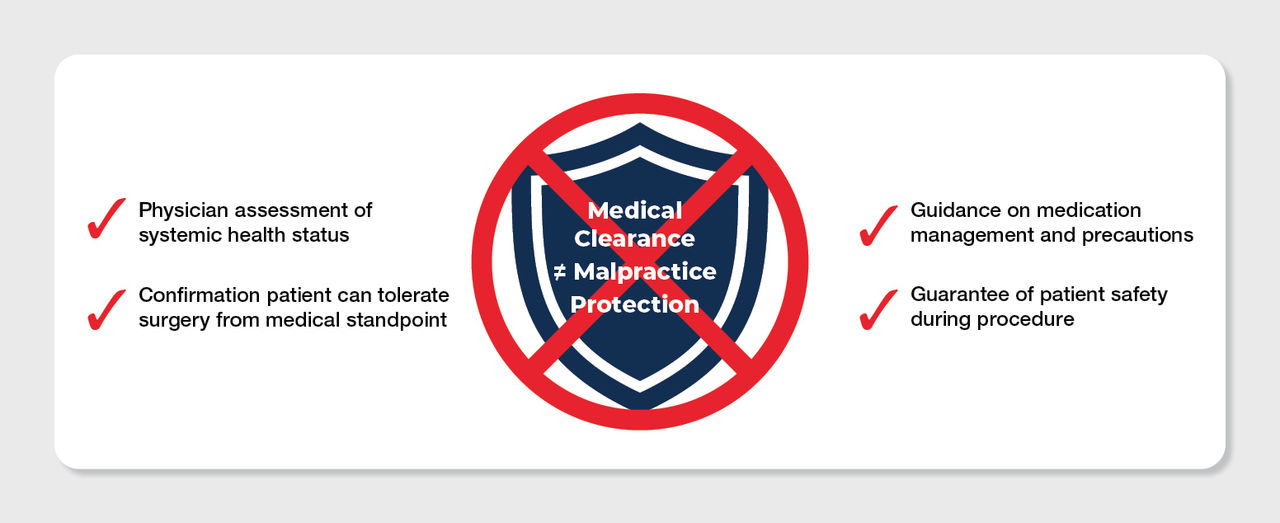
The last point of emphasis is that medical clearance addresses systemic risks only and does not shield against malpractice in dental implant surgery. Consider the following:
With every medical clearance I send back to dentists, I include the following statement:
“Although the recommendations may support that the patients’ medical conditions can tolerate the surgery with temporary discontinuation of certain medications, patients must understand that some risks cannot be fully eliminated when undergoing this procedure. These recommendations are provided with the understanding that each patient’s situation is unique, and decisions should consider variables such as the type and duration of surgery, the anesthesia used, anticipated blood loss and other individual factors.”
It’s essential that dentists inform patients about all potential risks and benefits, as well as make them aware of any available alternative treatments. And as always, please exercise your best clinical judgement in light of these considerations.
Now that you know the best practices for requesting medical clearance, it’s time to take a comprehensive look at when it’s indicated. This section will identify and elaborate on the common systemic conditions related to medical clearance for dental implant surgery, as well as the various risk thresholds that physicians are looking for.
Elevated blood pressure readings are something that can be misunderstood by physicians, since they don’t think of it in the context of dental procedures. In the context of major surgery, physicians ideally want blood pressures lower than 140/90, as their accounting for general anesthesia, prolonged surgical durations, possibilities of internal bleeding, and high cardiovascular stress. Dental procedures on the other hand have:
Just be sure to share dental-specific guidelines with physicians when obtaining clearance so they don't reject the procedure. Blood pressure often rises during dental procedures due to anxiety and procedural stress, and patients may tolerate higher blood pressures during brief dental implant surgery than would be acceptable for longer medical surgical procedures; however, you must confirm with the physician that the patient can safely tolerate transient blood pressure elevations and establish a specific upper limit (such as systolic < 180 mmHg and diastolic < 110 mmHg) at which the procedure should be postponed or discontinued. The physician should document the acceptable blood pressure range for the specific patient based on their cardiovascular status, as dental-specific literature may support proceeding at levels that differ from standard medical surgical cutoffs.
Physician’s Tip:
Managing Elevated Blood Pressure During Dental Implant Surgery
The most critical point regarding the medical clearance of diabetic patients for dental implant candidates is a single A1C measures glycemic control on the day of the test only. Just because a patient presents with a favorable result of < 7%, that number doesn’t tell the whole story. Dentists should ask about:
Past poor control causes cumulative vascular and immune damage that affects healing regardless of the current A1C reading.
It’s also important to understand that physicians individualize therapy now for diabetic patients, meaning the quality measure cutoff for patients with poor glycemic control can be acceptable up to 9%. Most clinicians prefer < 7–8%, but the reality is some patients may never get better than 8–9%. These cases can be now classed as moderately controlled instead of poorly controlled, so dentists should coordinate with the physician and optimize control per the individual.
Additionally, when physicians think in terms of medical surgery clearance, the focus is on systemic perioperative risk and acute complications, as well as short-term perioperative periods of days to weeks. Dental implant success, however, requires sustained glycemic control over months, not just day-of-surgery management, and physicians may not understand this critical difference.
Physician’s Tip:
Recommendations for Diabetes Management during Surgery
For post-op monitoring in both scenarios, perform frequent glucose checks if pain limits post-op intake and resume medications as tolerated with a soft diet for 24–48 hours. Call the physician if:
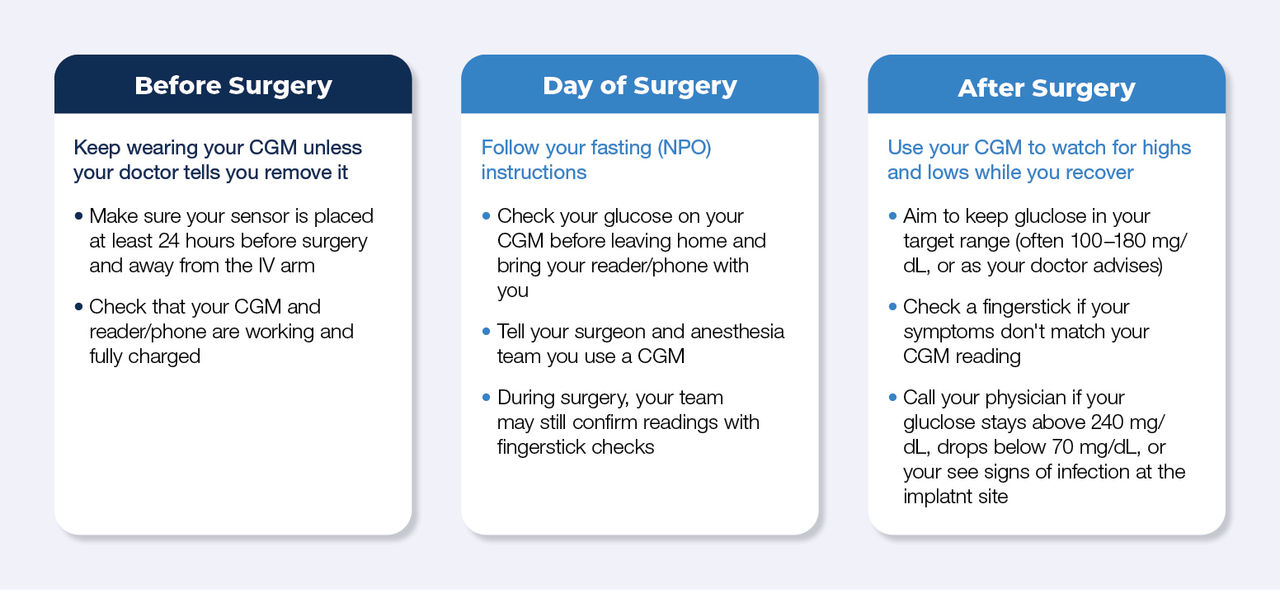
To make monitoring easier, it’s helpful for diabetic patients undergoing these procedures to have a continuous glucose monitor (CGM). These allow for real-time glucose monitoring before, during and after surgery, and help dentists maintain tighter perioperative control for fewer infections and better healing. See below for the best practices when using a CGM for dental implant surgery:
Just because a patient has had a myocardial infarction (MI), they can’t all be classified the same. When determining if a patient needs clearance, it’s imperative that the dentist know the different classifications of MI:
Guidelines are constantly evolving when it comes to safe treatment timing post-MI. Here’s a helpful chart that outlines the various timings of dental implant surgery, though physicians and cardiologists should always be consulted for patient-specific clearances:
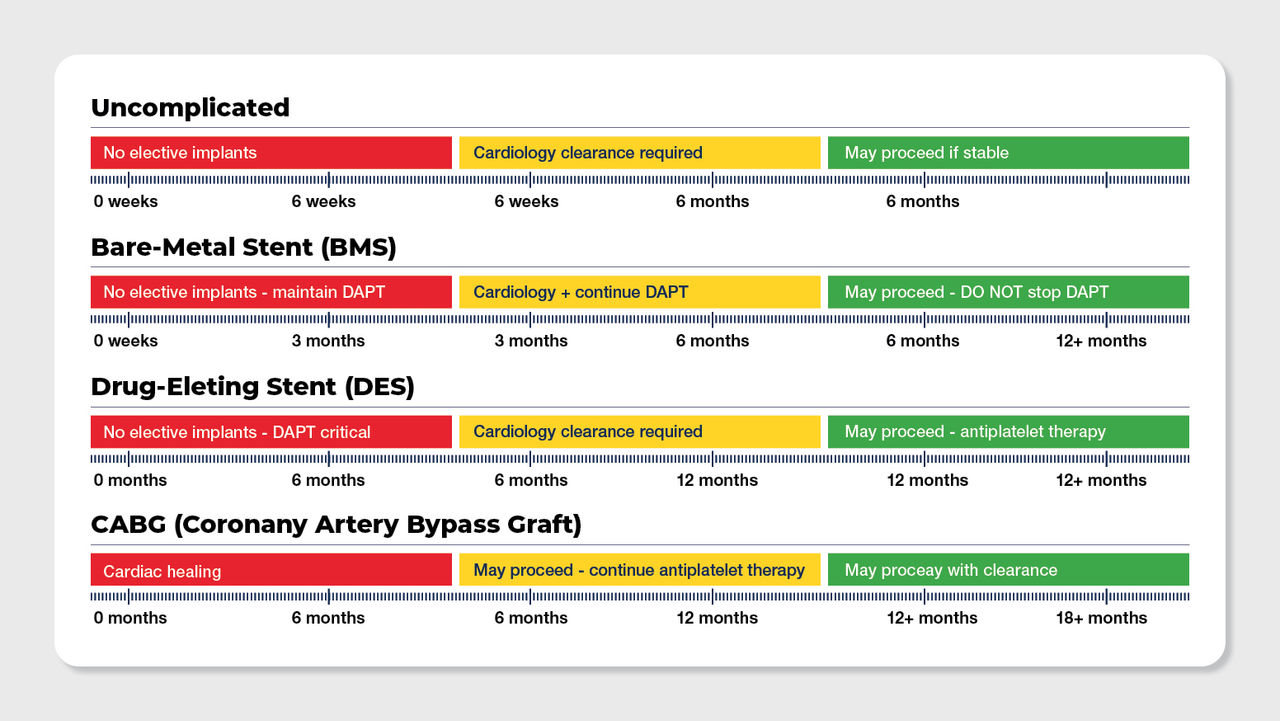
Important Caution: All timing is illustrative and not a guideline as each patient is unique and specific timing should be individualized by treating cardiologist or primary care based on current guidelines and patient status.
When it comes to post-MI risk management for implant surgeries, invasiveness and anesthesia are important considerations. Short office-based procedures using local anesthesia are much lower stress than deep sedation cases. The dentist is always responsible for minimizing stress, monitoring vitals, and being prepared to abort if cardiac symptoms arise. And under no circumstances should the dentist stop antiplatelet therapy without specialist approval, as it’s a sever thrombotic risk.
Physician’s tip:
Considerations for Patients with Prosthetic Valves
Mechanical valves aren’t used much anymore, but patients with bioprosthetic valves aren’t much of an issue for clearance for implant procedures.
If osteoporosis is stable and the planned procedure is minor, most physicians are not trained to recognize the implant‑specific risks of bisphosphonate therapy; from a medical‑surgical standpoint there are few contraindications, so they may underestimate the drug‑related hazards unique to dental implant surgery.
However, as dentists know, there are hidden jaw-specific risks:
Physicians focus on fracture risk and systemic safety, not jawbone remodeling or implant osseointegration. They’re also unfamiliar with MRONJ, especially when it comes to IV bisphosphonates or long-term/high-dose oral bisphosphonates as it relates to dental surgery outcomes. It is crucial that dentists provide evidence-based literature for physicians in these cases.
Physicians use the Global Initiative for Chronic Obstructive Lung Disease (GOLD) criteria for COPD patients:

Diagnosis: Post-bronchodilator FEV1/FVC < 0.7 + symptoms/exacerbations (Groups A, B, E)
Using these criteria, the typical implant clearance guide for physicians goes as follows:
As with systemic conditions, there are gaps in knowledge between dentists and physicians that can negatively affect medical clearance. The medications outlined in this section are the most common ones physicians see in clearance requests for implant patients starting with anesthesia.
When requesting clearance, physicians need to know exactly what type of anesthesia you plan to use because it directly affects systemic risk and monitoring needs, and many are not fully familiar with the potential adverse reactions to specific dental anesthetic agents and sedation regimens. A clear description of the planned local anesthetic, vasoconstrictor, and any oral or IV sedation helps them recognize cardiovascular, respiratory, or drug–drug interaction risks that they might otherwise overlook.
The most important thing to note is that all anesthesia options require preoperative vital signs, informed consent and appropriate monitoring capabilities. Let’s look at the key anesthesia considerations:
Physician Considerations by Anesthesia Type
Epinephrine is a common local anesthetic used in dentistry, but physicians don’t think of this drug in the same terms. Physicians think epinephrine is mostly for treating severe allergies and asthma attacks, and as part of CPR. Because of this, physicians are relying on dentists to share epinephrine interactions with things like non-selective beta blockers, tricyclic antidepressants and amphetamines so that they can make informed modifications to patient drug use before surgery.
If there is cause for concern regarding the use of epinephrine in dental implant surgery, consider these common physician concerns vs. the clinical reality:
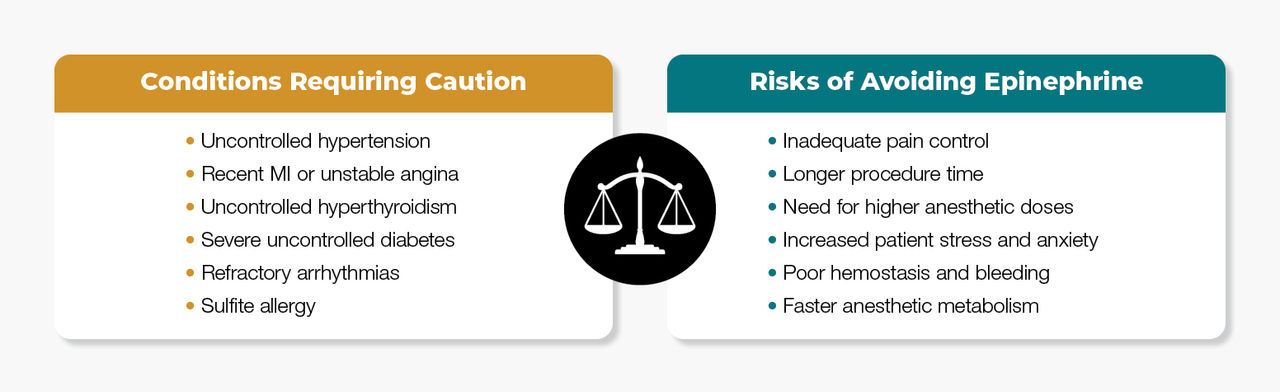
Physician input is valuable and should always be considered. Controlled patients can safely receive small doses of epinepherine (1–2 cartridges 1:100,000). Avoiding it may cause more physiological stress than using it, as laid out in the graphic above.
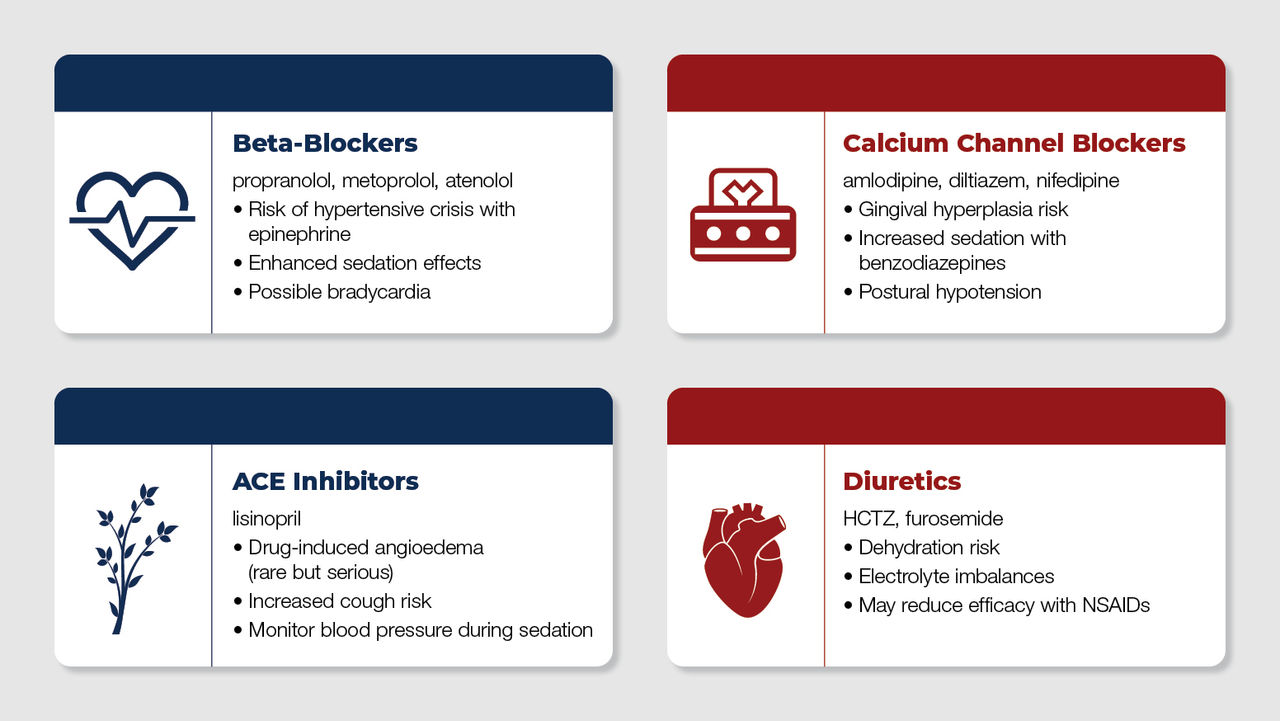
Hypertension medications are another area where considerations must be made regarding anesthesia interactions (see below). Best practice, though, is to continue blood pressure medications on the day of surgery and monitor vitals closely during sedation. Coordinate with the physician only for poorly controlled hypertension, e.g. blood pressure > 160/100.
The first thing dentists need to do when seeing anticoagulants on the medical intake form is ask themselves why the patient is on them. Here are the common indications by medication class:
1. Aspirin:
a. Secondary prevention after MI
b. Stable coronary artery disease
c. Stroke or TIA prevention in high-risk patients
d. Peripheral arterial disease
2. Dual Antiplatelet Therapy (DAPT):
a. Recent coronary stent placement (DES/BMS)
b. Acute coronary syndrome (NSTEMI/STEMI)
c. Certain high-risk coronary artery disease patients
3. Direct Oral Anticoagulants (DOACs):
a. Non-valvular atrial fibrillation (stroke prevention)
b. Treatment and secondary prevention of DVT/PE
4. Warfarin (Coumadin):
a. Mechanical heart valves
b. Atrial fibrillation with valvular disease
c. History of DVT/PE or thrombophilia
d. Certain cardiomyopathies or LV thrombus
Due to the range of indications for anticoagulants, dentists should always seek specific recommendations from the patient’s physician before altering antithrombotic therapy for dental procedures. Managing anticoagulants takes a collaborative approach, so dentists are encouraged to share evidence-based dental guidelines with the physician. This lets physicians understand why modification of these medications needs to occur, and what kind of restart plan is most reasonable for the patient post-op.
How to Approach Medical Clearance for Patients on Anticoagulants
Just like dentists, physicians are concerned about infection as a result of taking patients off biologics before surgical procedures. For major medical surgeries, the standard physician approach is to put a hold pre-operatively with a drug holiday of 2–8 weeks depending on the medication half-life. For dental implant procedures, the literature is still conflicted, but what tends to work are the following recommendations:
No matter the level of the procedure, dentists should never modify biologics without physician approval. These medications are very case-specific, based on factors including: medication type, disease severity, infection risk, procedure extent, and drug half-life. Here’s a look at common biologic classes and their half-lives:
o Humira® (adalimumab): 6–8 weeks
o Enbrel® (etanercept): 2 weeks
o Remicade® (infliximab): 4–6 weeks
o Cosentyx® (secukinumab): 4 weeks
o Stelara® (ustekinumab): 12 weeks
o Tremfya® (guselkumab): 8 weeks
o Xeljanz® (tofacitinib): 1–2 weeks
o Rinvoq® (upadacitinib): 1–2 weeks
A common approach physicians might take to accommodate for the variation in drug half-lives is to stop one full dosing interval before major implant surgery for each biologic, with consideration for a longer hold where there’s a high risk for infection or poor wound healing. Restart guidance is typically 10–14 days or later after uncomplicated surgery when the wound is well healed and there are no signs of infection.
There’s a natural knowledge gap that can occur around osteoporosis medications because physicians might not even know if a patient is on them. Often times bisphosphonates are prescribed by specialists like gynecologists, rheumatologists and endocrinologists, and infrequent dosing causes patients to forget and not list them on intake forms. Since dentists are the first point of contact in the clearance process for implant procedures, it’s critical to always ask patients specifically about osteoporosis medications before sending them to the physician.
Dentists also need to be able to identify patients undergoing bisphosphonate therapy with higher-risk comorbidities, like:
For any patient, changes should never be made to systemic therapy without consulting the physician. Here’s some key guidance regarding bisphosphonates and dental implants:
A common question that gets asked by dentists is, “What do I do when a physician changes a medication that was not necessary?” Here’s a simple step-by-step protocol dentists can do in these scenarios:
Modifications may occur, but that doesn’t mean communication has to stop there. Stay in touch with the physician to understand the rationale for any decision they’ve made.
The most common systemic diseases and medications have been covered. This section will provide insights on other emerging issues physicians that can impact medical clearance for dental implants, starting with GLP-1 drugs.
GLP-1 drugs are becoming more common for weight loss, but they present an aspiration risk during sedation. There are some guidelines for when to use extra caution for sedation:
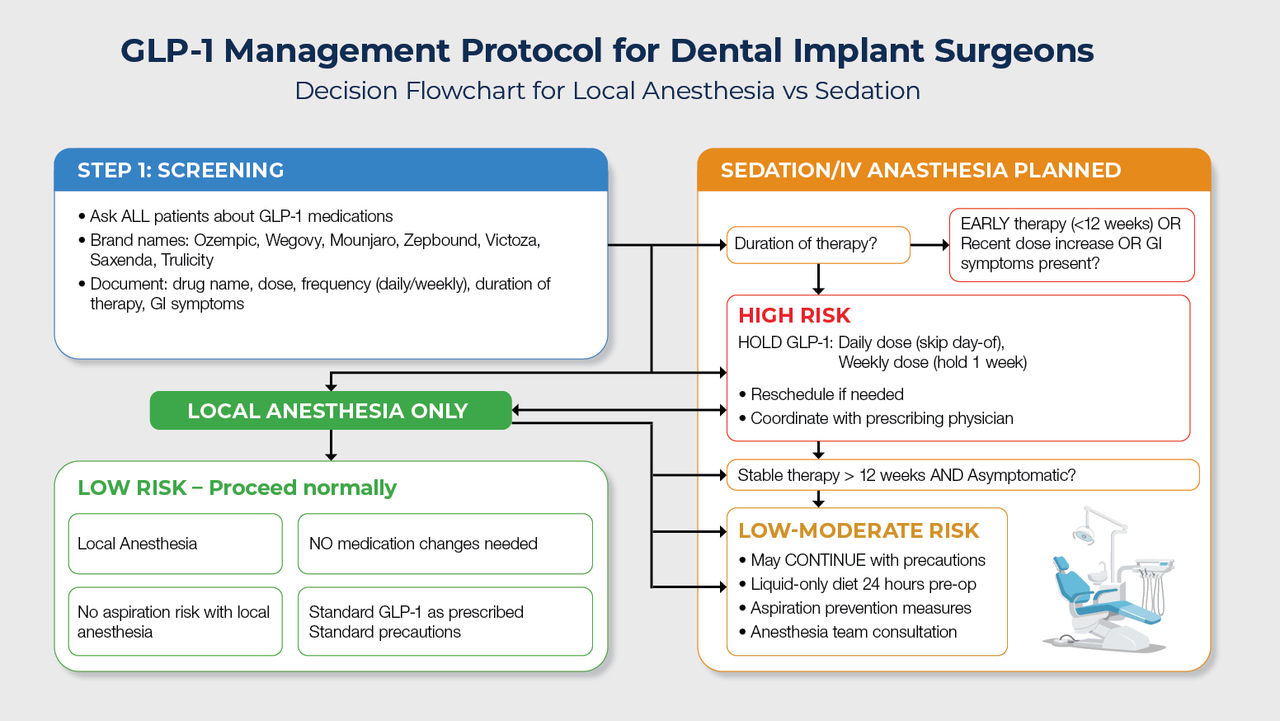
The key thing to remember is to balance aspiration risk against loss of glycemic and weight control. Do not change GLP-1 dosing without coordinating with the patient’s endocrinologist or primary physician.
10–15% of adults use antidepressants, the majority of which are SSRIs. Dentists are generally aware of the risk factors of these drugs on implants, but physician’s might not be in the context of these procedures.
Despite the modest risks, SSRIs still provide more benefit to psychiatric stability of patients. It’s generally advised to not stop routine SSRI use before implant surgery and rather treat it as informed consent on the potential complications with the patient undergoing the procedure. The best way to proceed is to inform patients of the risk possibilities while optimizing local and systemic factors. Additionally, dentists can consider staged loading and more frequent follow-ups post-op.
PPIs are another class of drug associated with higher dental implant failure risk. Given the potential risk, it’s reasonable to request that a physician might switch the patient over to an H2 blocker like famotidine (40 mg/day) for several months. However, this modification may not be appropriate for patients with Barrett’s esophagus, bleeding ulcers, or severe GERD.
The adverse effects of alcohol and smoking on implant survival are well-known. It’s essential to screen all patients effectively, so physicians recommend using an AUDIT-3 screening test in dental practices. For example:
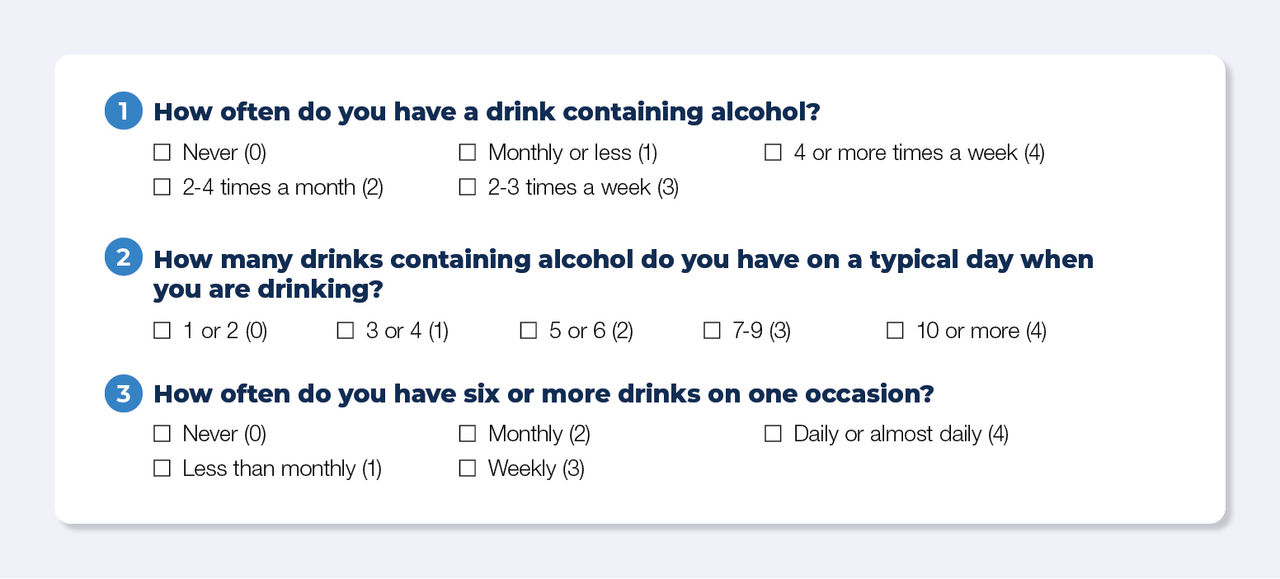
Score each question 0–4. For total scores: 0–1 is low risk, 2–3 is rising risk, 4+ is higher risk. Always follow up if scores are 4 or higher. If you want to start cessation with the patient, don’t do it without coordinating with the physician first.
For geriatric patients who are more likely to have had joint replacements, it’s another important consideration for medical clearance. Current guidance from the ADA and AAOS says that routine systemic antibiotic prophylaxis before dental procedures in patients with prosthetic joints is generally not recommended as there’s no clear reduction in prosthetic joint infection with routine dental antibiotics.
Antibiotics should be considered in high-risk patients such as those with the following:
The decision should always be made jointly by the dentist, orthopedic surgeon or primary physician and patient.
Medical clearance for dental implant surgery is a request for a physician’s evaluation to determine if a patient is medically safe for the planned procedure. It requires a medical clearance form that gets sent to the patient’s physician, which lets them evaluate the planned procedure and provide their opinion on whether the patient is systemically stable enough to proceed. Medical clearance modifies risk and is not a justification for treatment. The dentist is responsible for any decisions and treatment he or she provides to the patient, as no patient is completely free of risk when undergoing a procedure.
There is no fixed legal expiration for medical clearance. Medical clearance from a physician stays valid when the patient’s diagnosis, medications, and overall status are unchanged, and the most recent findings match the prior note. Medical clearance does need updating when a new diagnosis or hospitalization occurs, new medications have been started or old medications have been stopped, or there’s been a significant change in cardiac, pulmonary, or bleeding risk.
Medical clearance through fax was once standard operating procedure, but this practice should no longer be observed due to the inadequacy of the communication, lack of patient evaluation, and security risks. An in-person visit between patients and their physicians is the most effective method of getting medical clearance for dental implant procedures.
Medical clearance for dental implants shouldn’t be a game of chance, but that doesn’t mean clinicians can’t approach it with confidence. The bottom line from a physician’s perspective is this: When dentists and physicians share critical information, dental implant surgery becomes safer and more predictable for patients. Always be sure to:
And don’t forget that medical clearance from a physician is not a guarantee of safety, not permission to ignore new symptoms, and not a substitute for a dentist’s best judgement. Always re-evaluate patients on the day of treatment and don’t hesitate to communicate any concerns back to the physician. For more insights on all things dental education, check out the resources available through Glidewell Clinical Education, ranging from free webinars, to magazine articles, to online CE courses.
All third-party trademarks are property of their respective owners.
Send blog-related questions and suggestions to hello@glidewell.com.
/GL-DB-6859919-080426-1.jpg/_jcr_content/renditions/thumb-jpeg-mobile-full.jpeg)



2201 Dupont Dr., Irvine, CA 92612
© 2026 Glidewell. All rights reserved.