
In this issue:
Digital Production
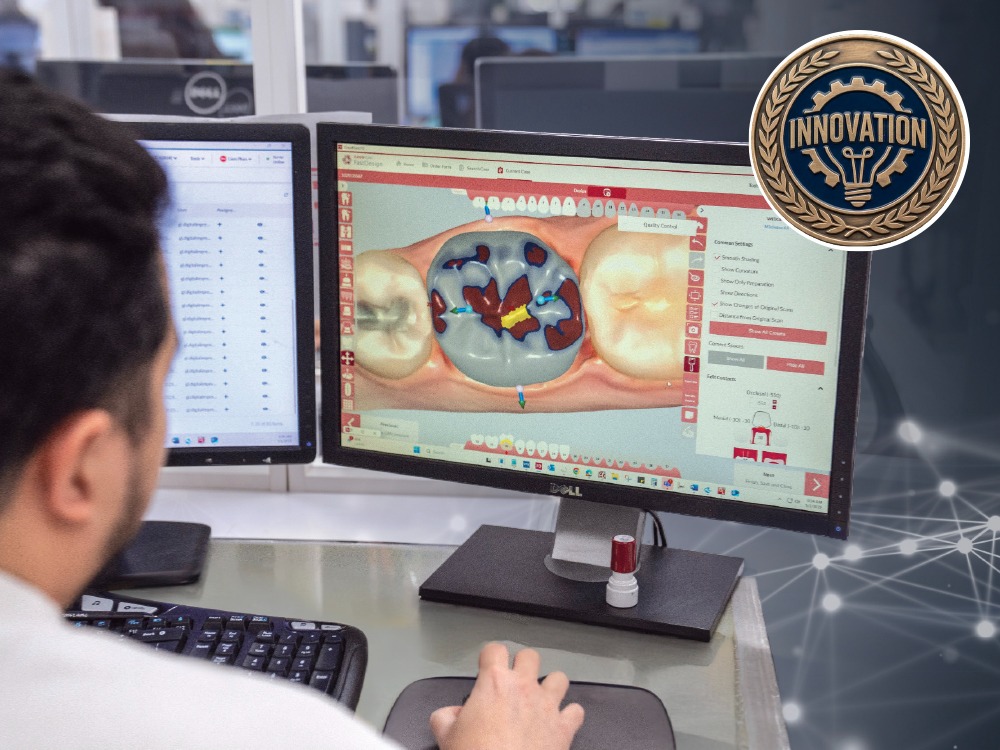
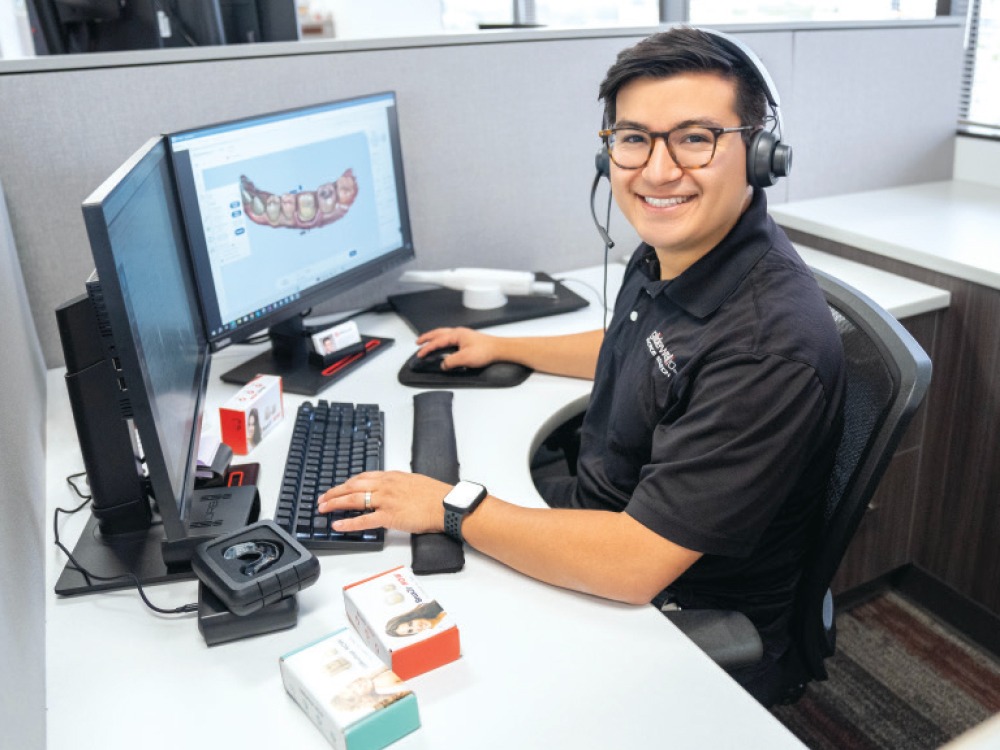
Digital production has redefined how restorations are fabricated — but not long ago, dentists relied on physical impressions, stone models, and shipping cases to the lab. The quality of the restoration often depended on the individual technician’s interpretation, and communication between dentist and laboratory was typically limited to prescriptions, phone calls, and photographs.
While early CAD/CAM systems were limited, they proved that restorations could be designed and manufactured from digital data rather than entirely by hand. The real transformation began in the early 2000s with the widespread adoption of intraoral scanners and laboratory CAD/CAM platforms. Digital impressions eliminated many of the distortions associated with traditional materials and allowed dentists to immediately evaluate the quality of their preparations and impressions. Instead of shipping physical impressions, clinicians could transmit scans electronically within minutes.
This shift dramatically improved dentist-laboratory collaboration. Technicians could review digital scans, verify margins, and communicate design recommendations before production began. And more recently, shared 3D visualizations allowed dentists to approve restorations in advance, reducing remakes and improving predictability.
Glidewell has played a central role in advancing digital production, investing early in large-scale CAD/CAM manufacturing and developing high-capacity milling centers that produce thousands of restorations daily.
Today, Glidewell continues to expand its digital ecosystem through AI-assisted design software, automated milling and additive manufacturing, and real-time collaboration tools that connect clinicians directly with laboratory designers. Combined with chairside solutions such as the glidewell.io™ In-Office Solution, dentists can now choose to mill restorations in their own practice, leverage the scale and efficiency of a fully digital laboratory, or enjoy the best of both worlds.
Chairside Splinted Provisionals
by Danielle Brown, DDS
Staff Dentist, Glidewell
Irvine, California
Case Report
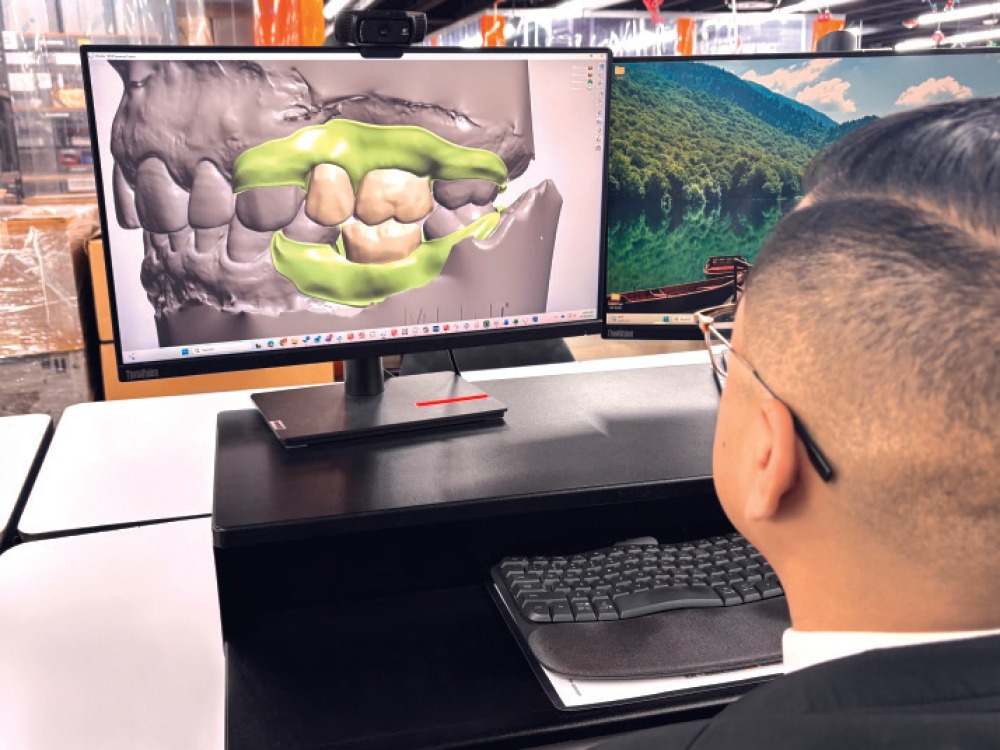
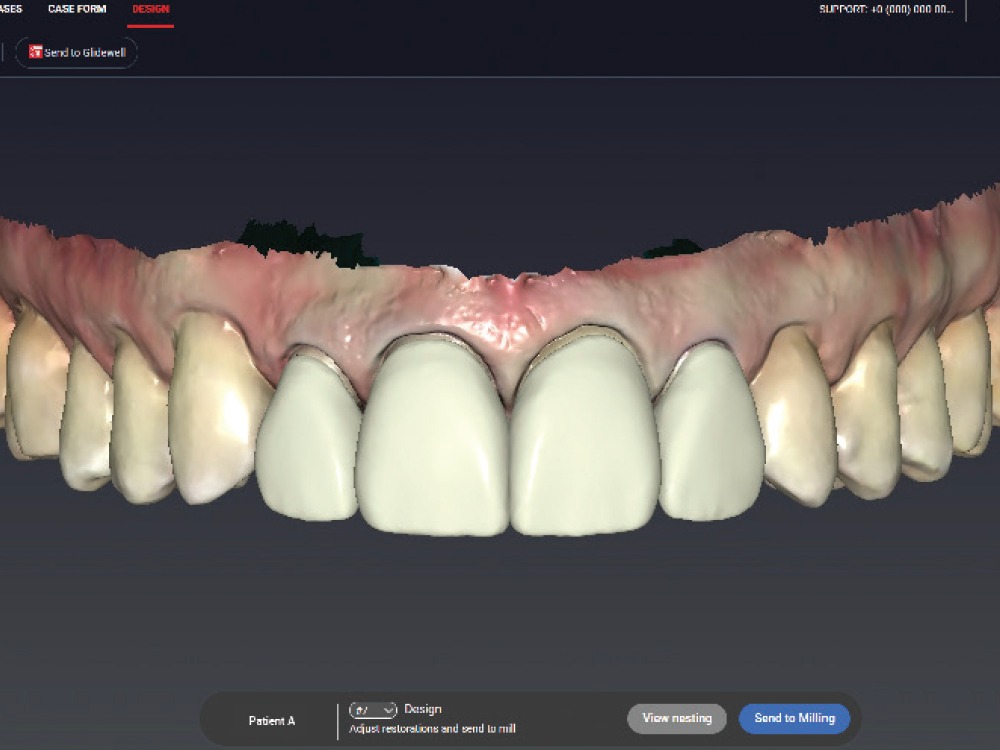
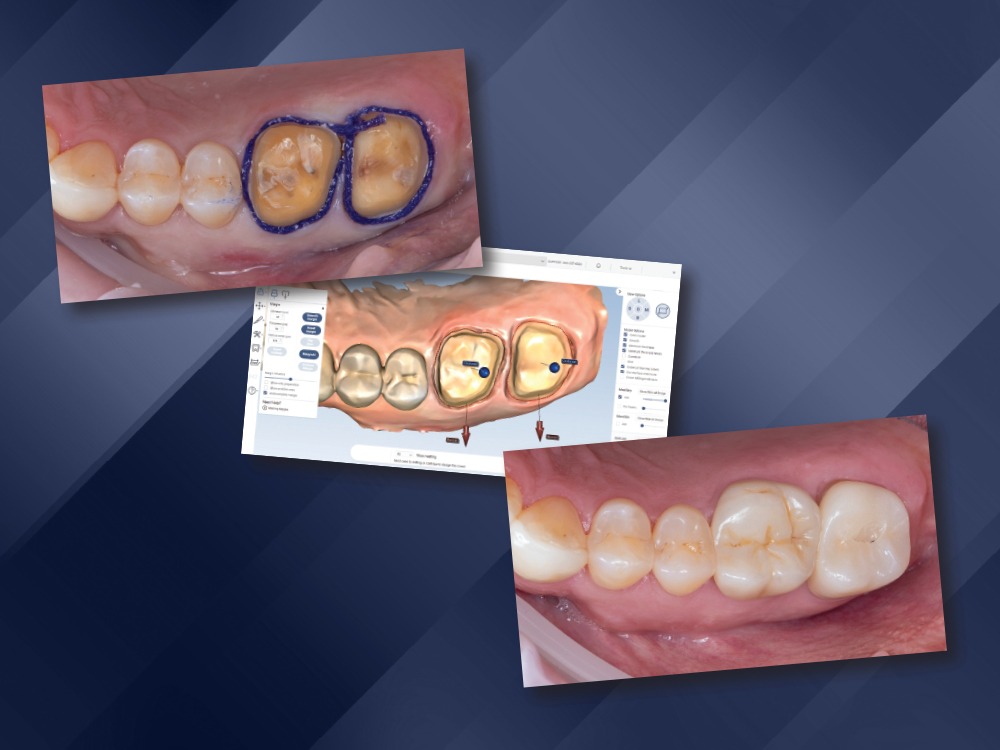
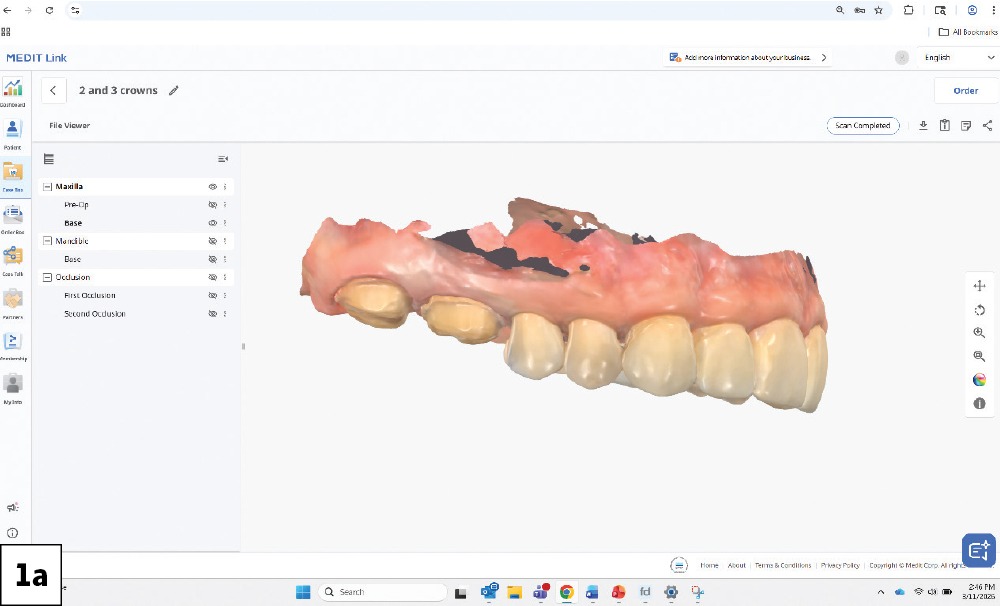
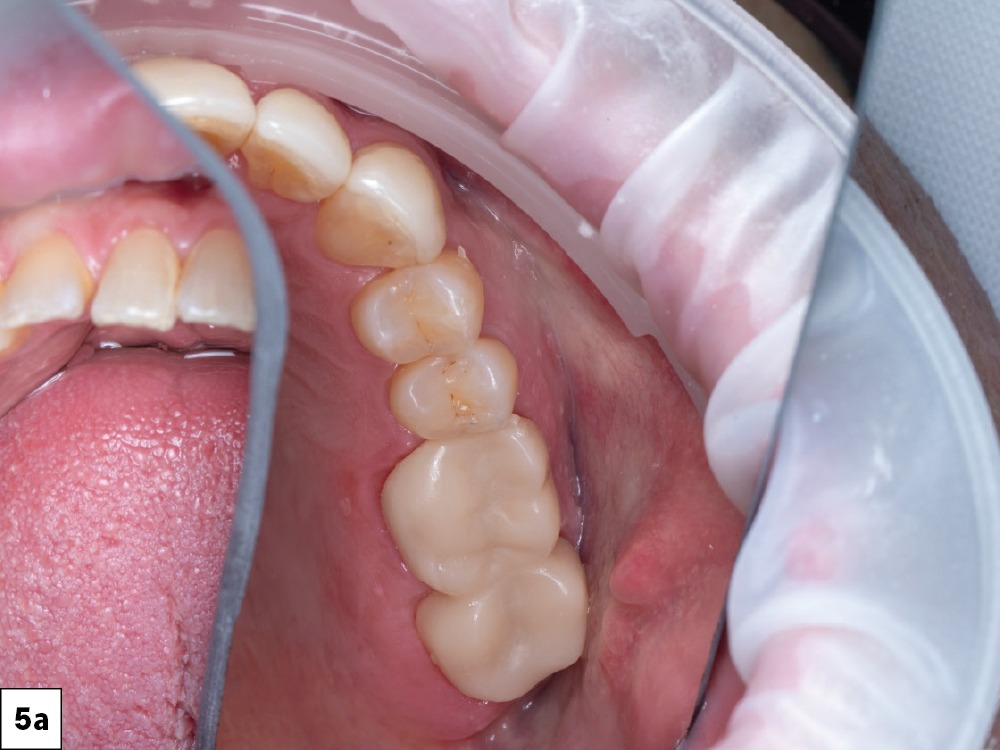
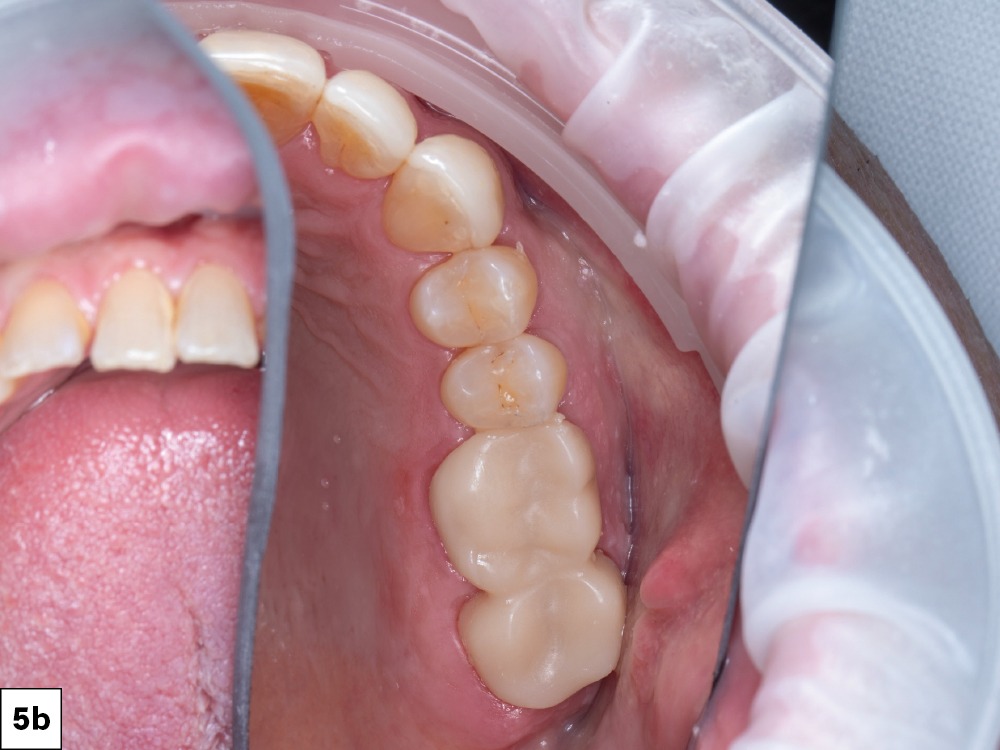
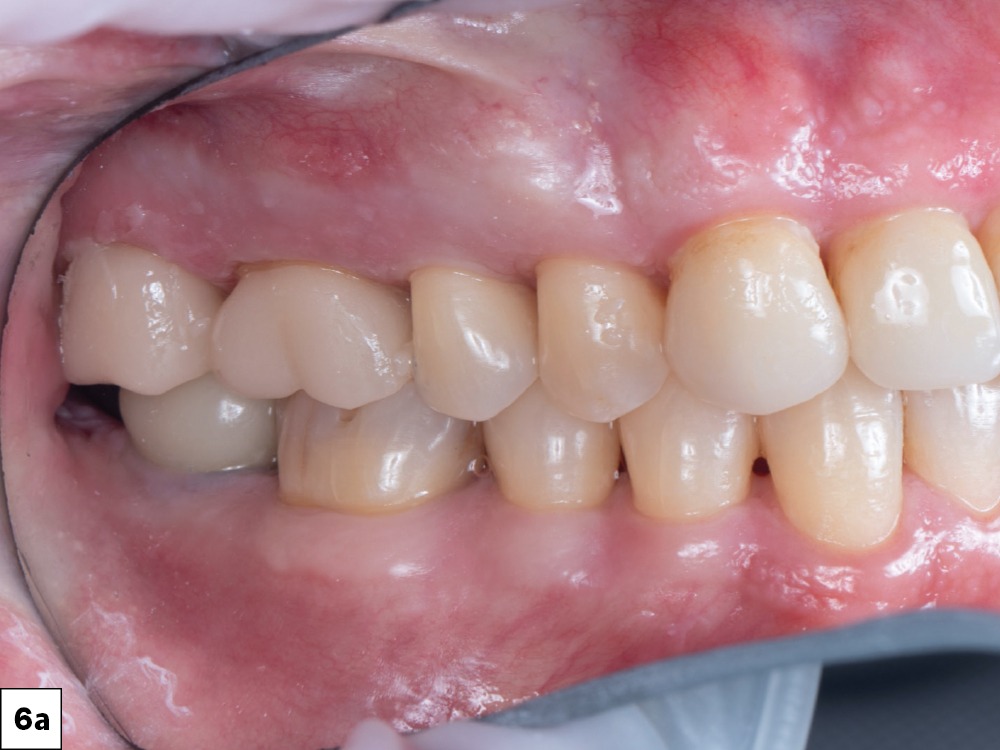
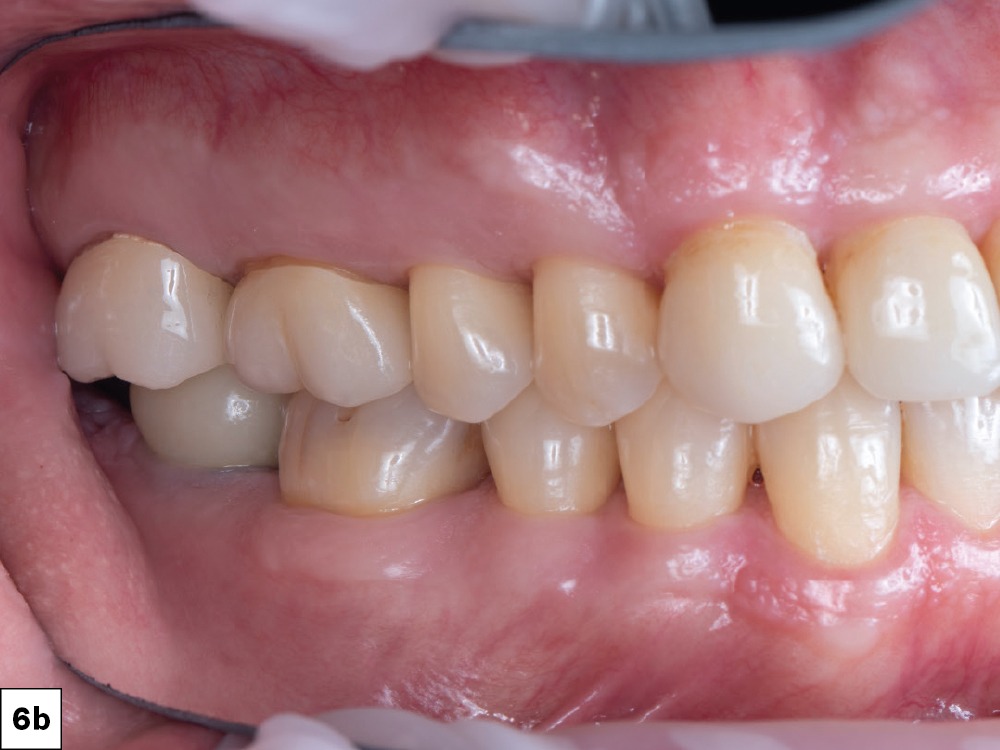
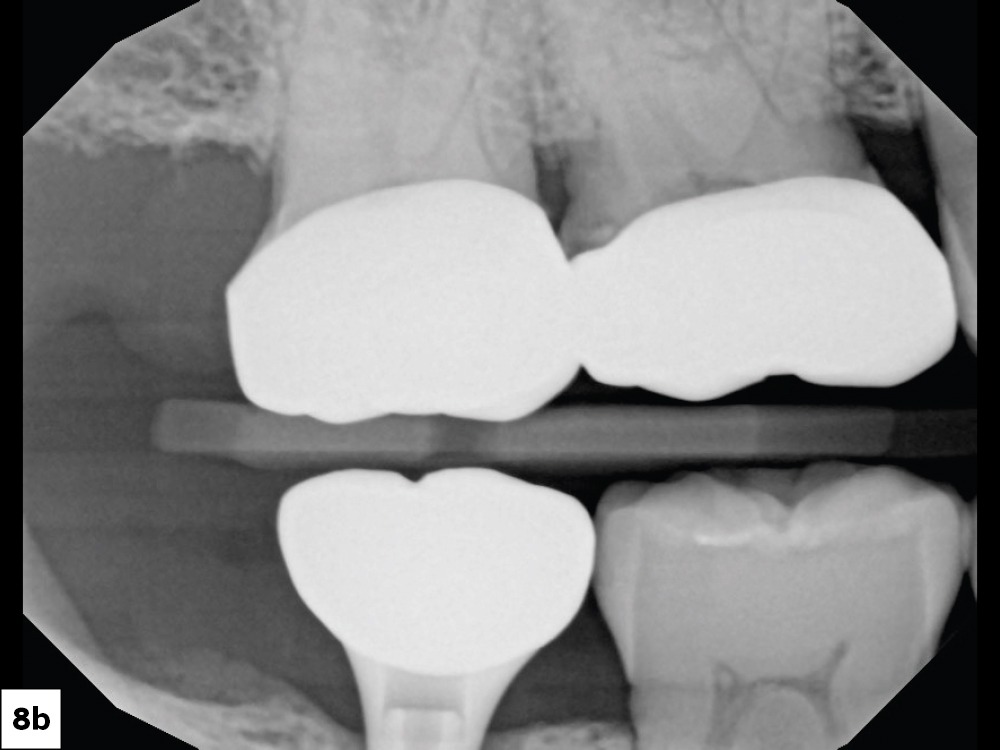
The patient presented for a routine cleaning appointment and informed the hygienist that his crown on #2 had recently come off, and he had reinserted it. I was called in to perform an oral exam and noted recurrent decay on #2, an open contact between #2 and #3, and open margins on crown #3. I decided that the crowns needed replacement. Crown #2 was temporarily recemented with Durelon™ CD Carboxylate Luting Cement (Solventum Corporation; Eagan, Minn.) until the patient returned for his preparation appointment.
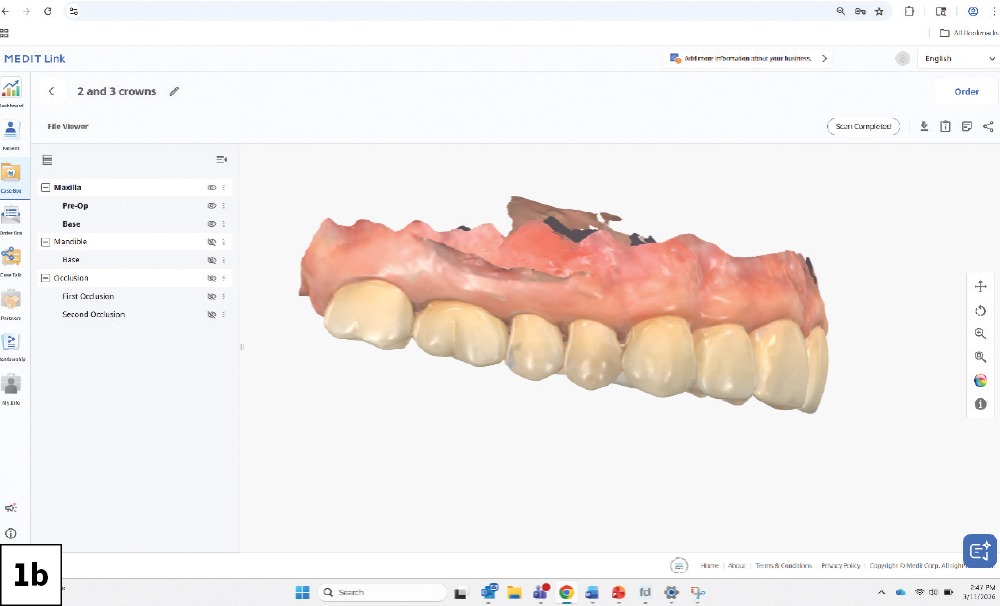
Appointment #2 (Prep + Provisionals)
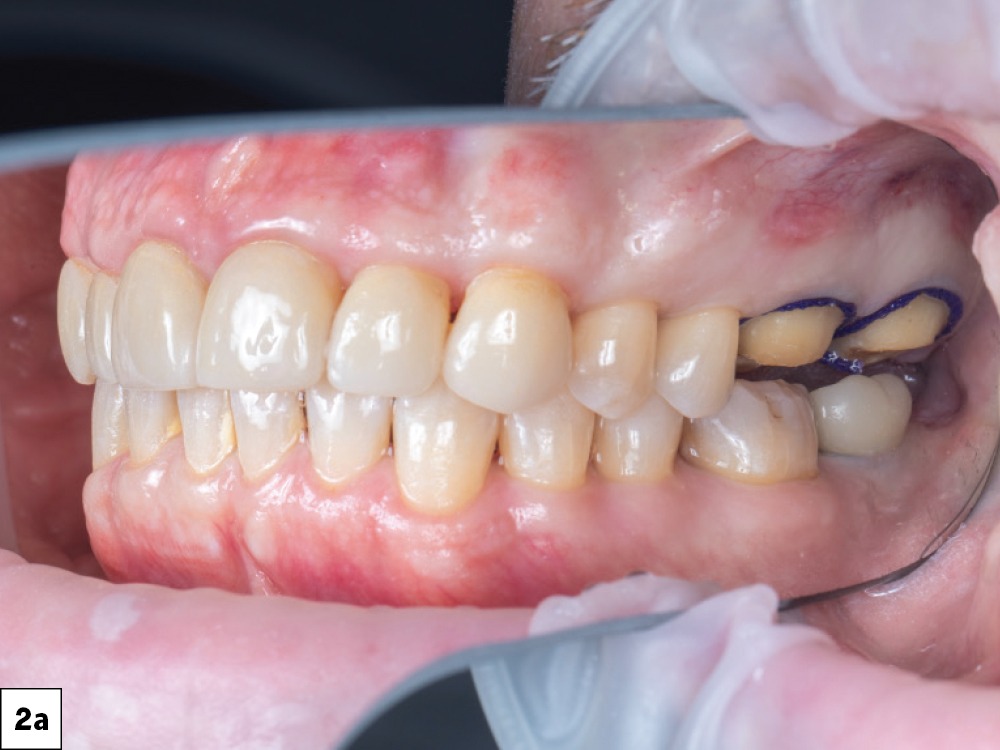
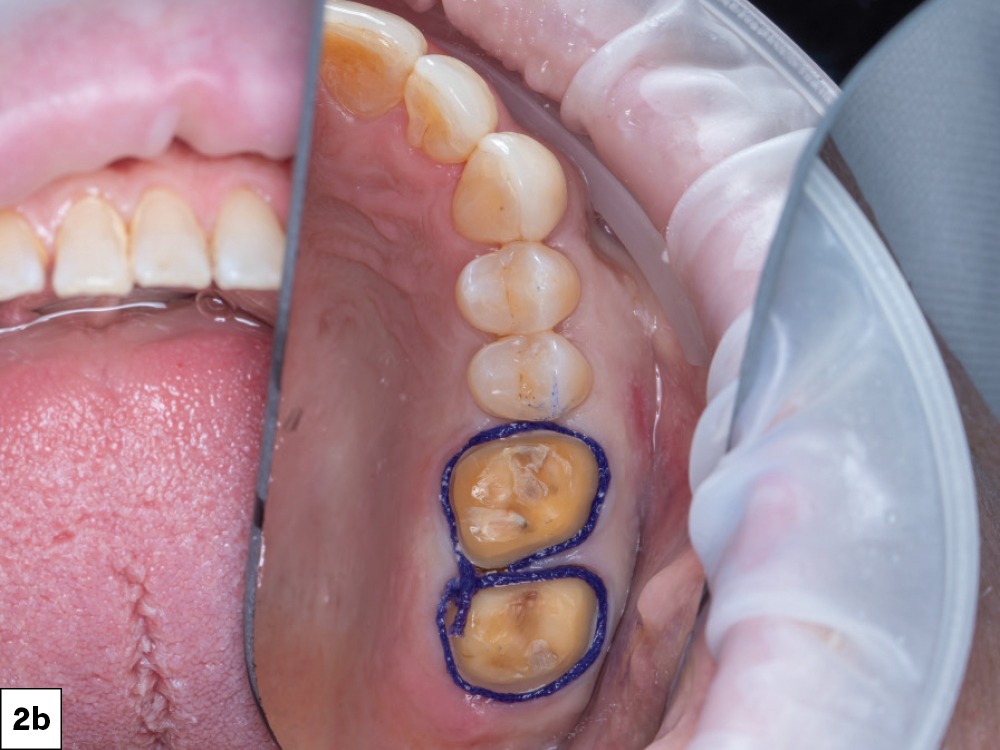
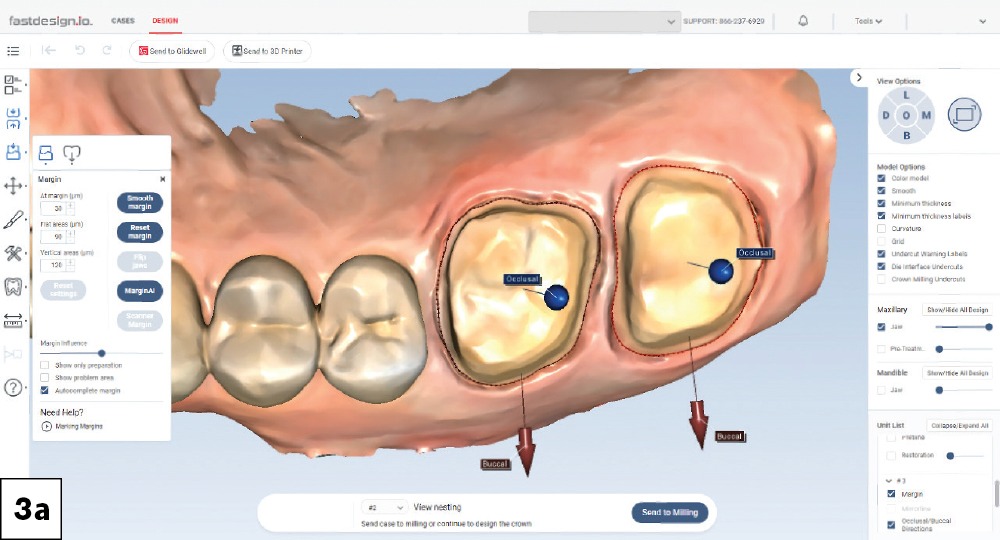
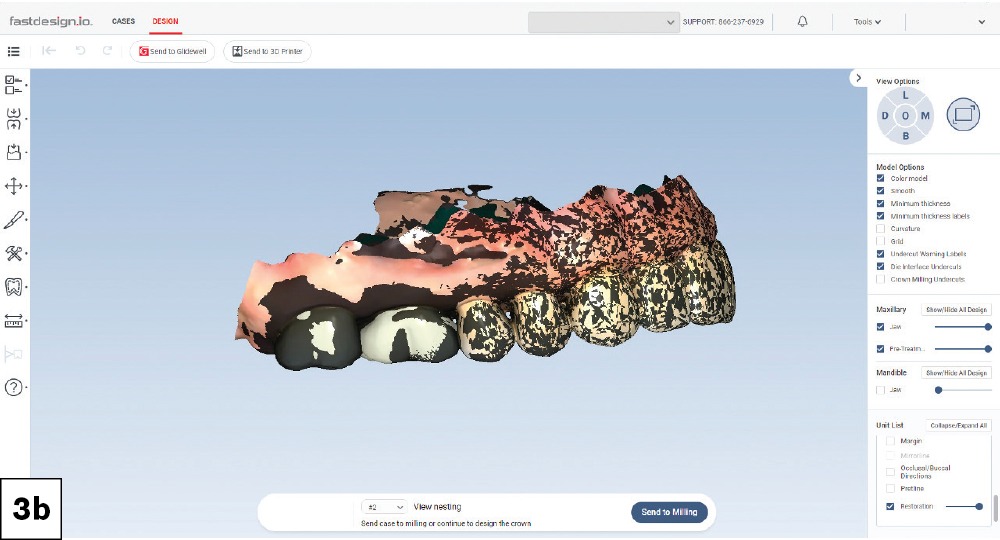
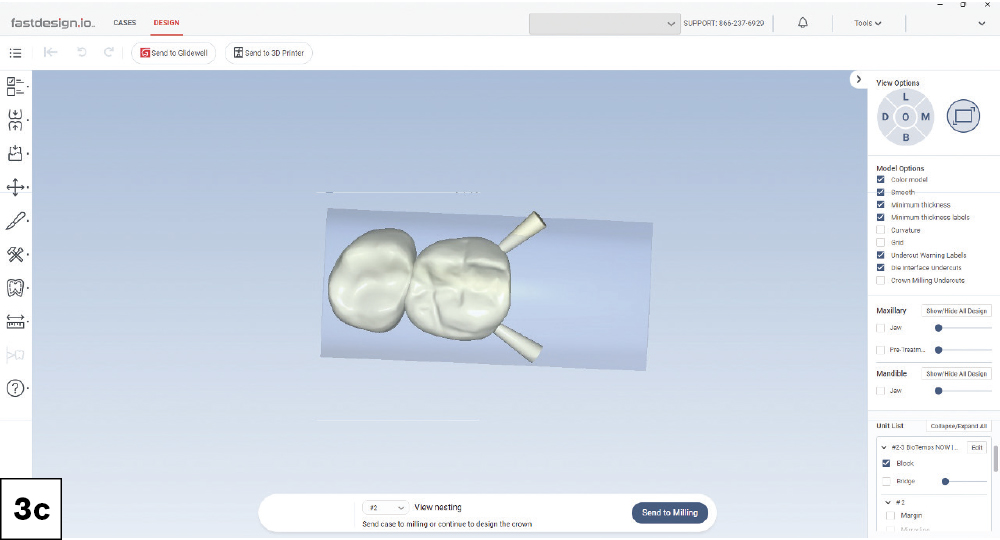
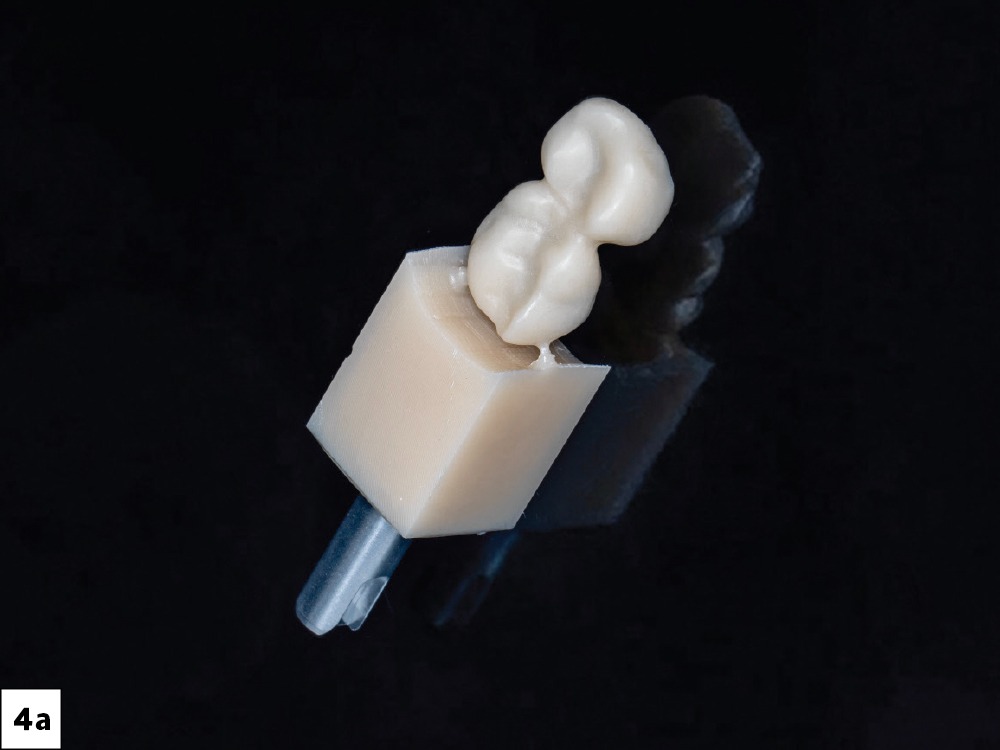
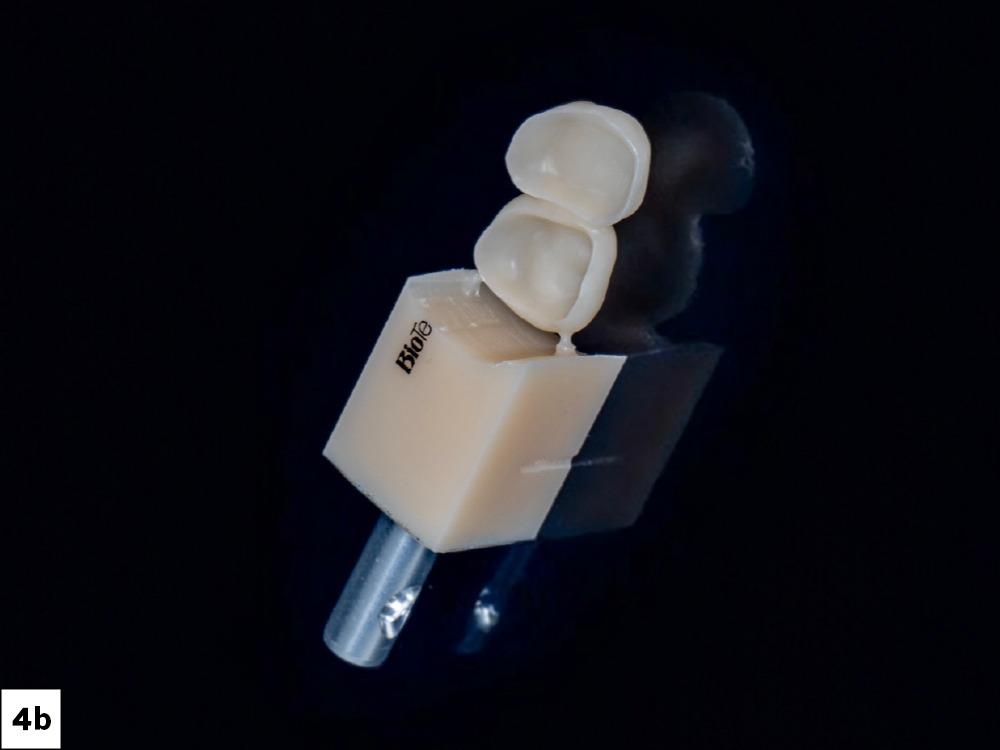
Final Delivery Appointment
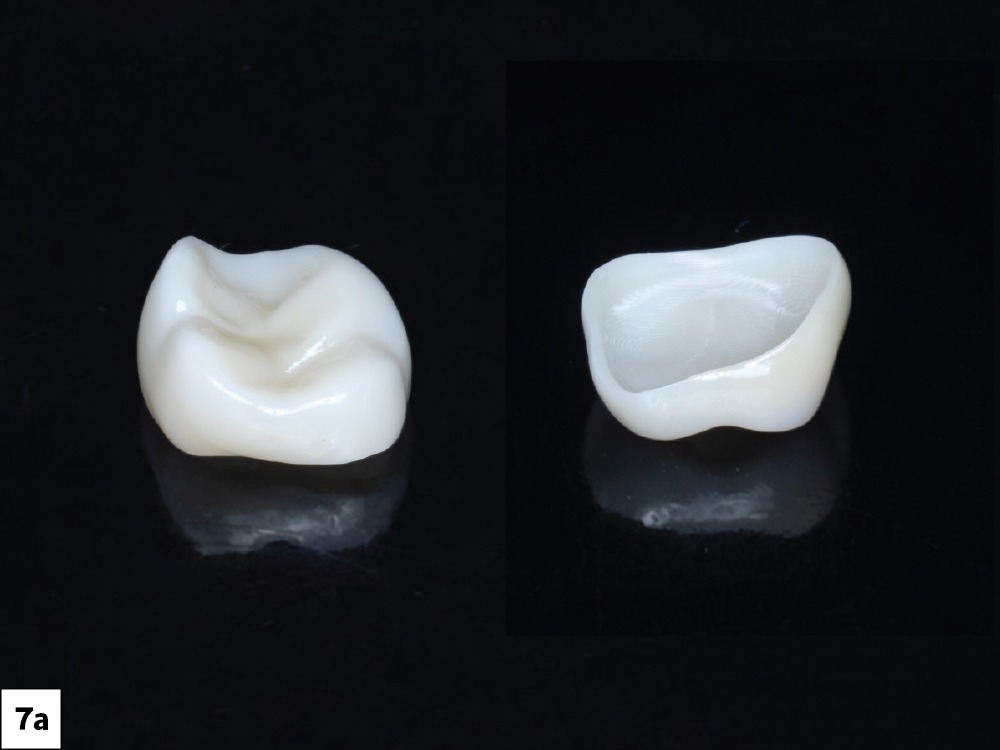
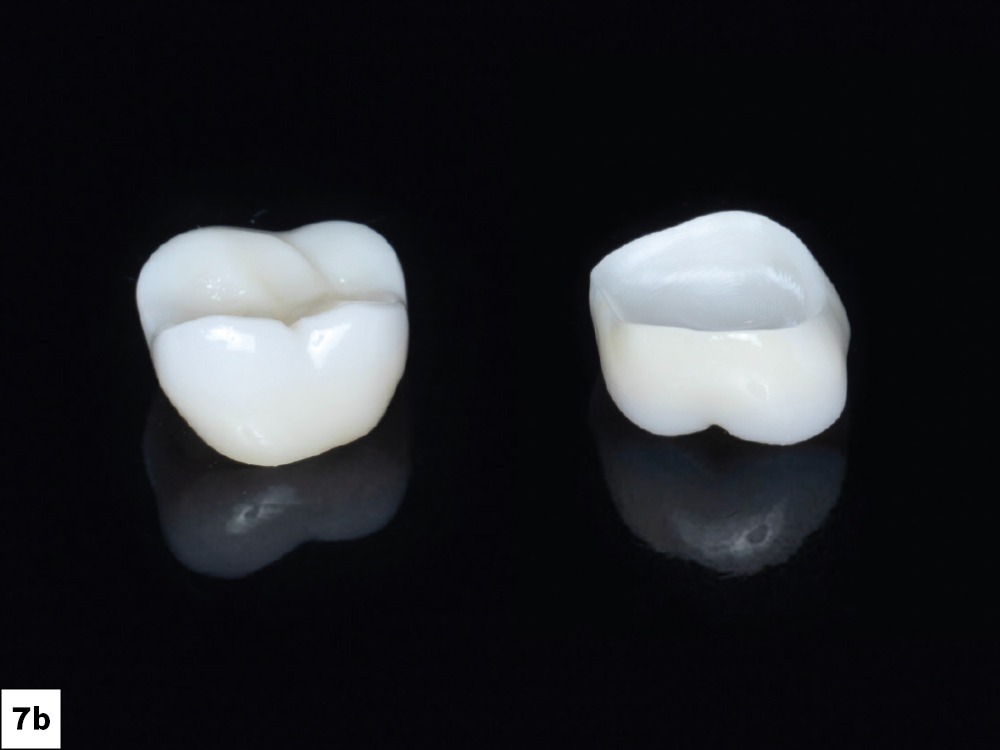
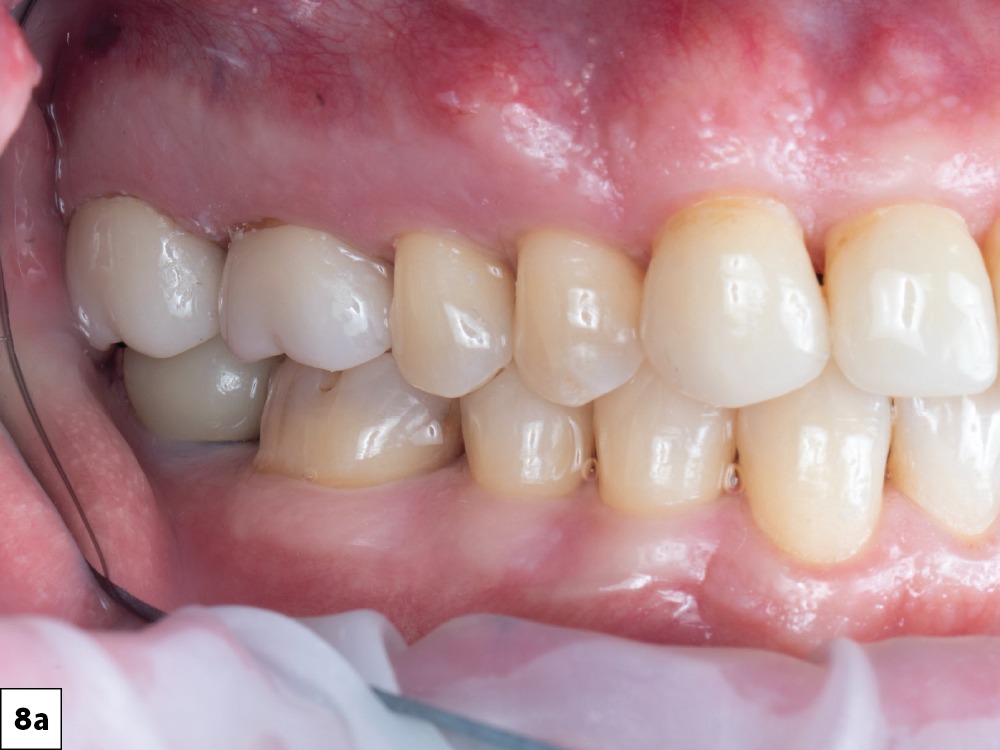
Due to patient time constraints, I did not fabricate the final restorations in-office and ordered BruxZir® Full-Strength Zirconia crowns from the lab. The ability to digitally capture and send precise clinical information to the laboratory provided a simple, efficient workflow.
Conclusion
The patient enjoyed the comfort and functionality of his provisionals during the 3-day wait until final BruxZir Full-Strength Zirconia crowns were delivered.
Durelon is a registered trademark of Solventum Corporation.
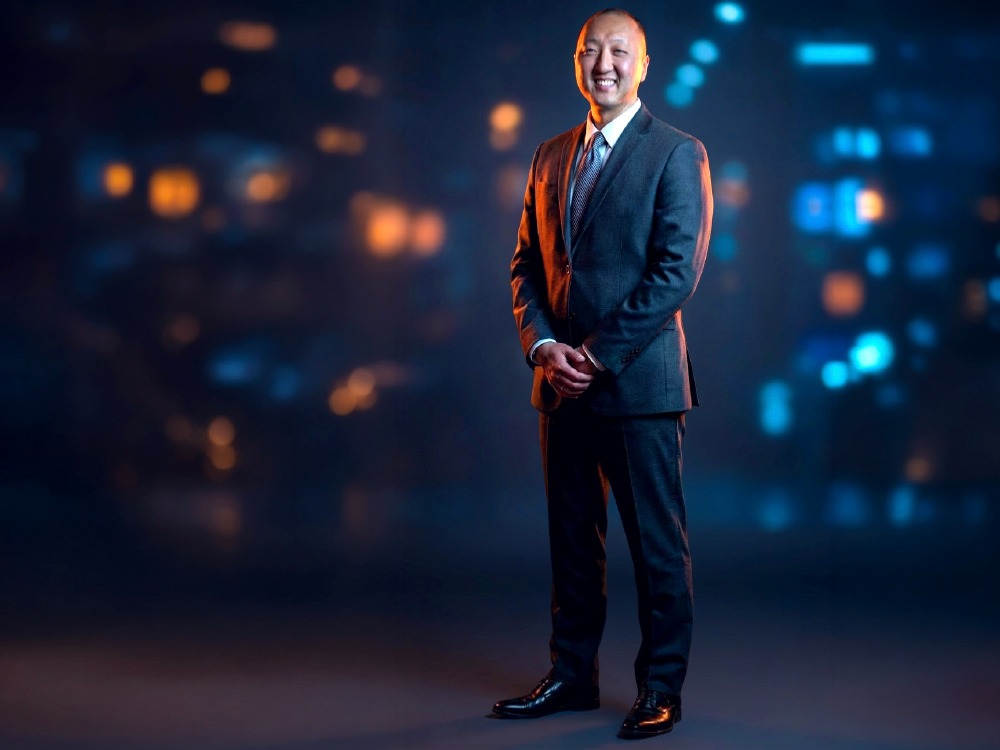
The Innovator
Jason Song, CDT
VP of Digital Operations
Jason is a seasoned digital operations leader whose approach to innovation can be traced back to his artistic roots, studying art and sculpting at Cal State Long Beach and working at Disney Imagineering. He joined Glidewell 23 years ago, and transformed what was planned to be a short-term exploration of dental technology into a career developing robotics, automation, and AI-driven workflows. Rising from technician to implant manager and now lab operations leadership, he partners with engineering teams to drive digital transformation that enhances efficiency, consistency and patient outcomes.