
In this issue:
AI-Driven Manufacturing and Design
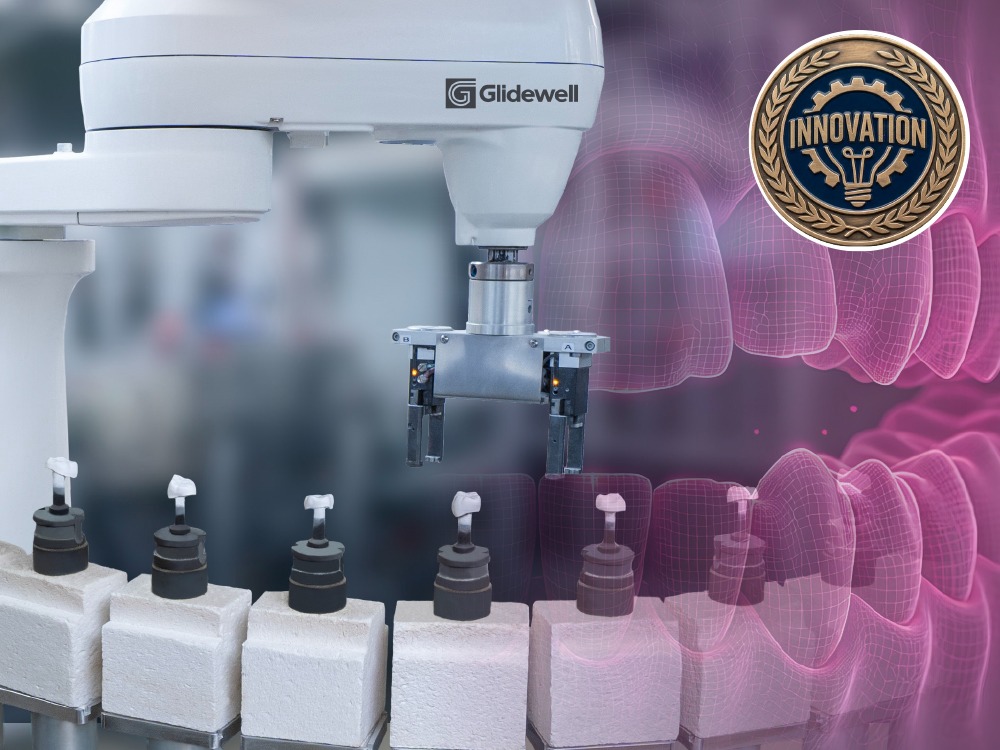
Before artificial intelligence entered dentistry, it had already transformed the automotive, aerospace, and consumer electronics industries. AI-driven designs optimized performance, reduced material use, and compressed manufacturing timelines. These successes established AI as a reliable manufacturing approach, yet dentistry presented a fundamentally different challenge.
Unlike manufacturing sectors built on standardized parts, the dental laboratory industry depends on precision customization, with each part requiring a unique design. This creates tension between the need for rapid delivery and the reality that manually designing patient-specific restorations is time-intensive, highly technical, and difficult to standardize across operators.
As dentistry entered the digital era, CAD software and scanning technologies improved accuracy and visualization, but they also introduced new complexities. Dentists were asked to adopt increasingly sophisticated tools while still meeting fast turnaround times and rising patient expectations. Variability, manual intervention, and workflow bottlenecks persisted.
Artificial intelligence marked a true inflection point. By applying generative and machine-learning methods to vast repositories of anatomical data, AI made it possible to automate restorative design. Instead of relying on case-by-case manual input, systems could now use millions of prior designs to generate restorations that not only fit precisely, but also harmonize with the patient’s oral anatomy, dramatically reducing adjustments and streamlining clinical workflows.
Compared to conventional methods, AI and
automation-driven processes result in fewer occlusal
issues, chairside adjustments and remakes.
Compared to conventional methods, AI and automation-driven processes result in fewer occlusal issues, chairside adjustments and remakes.
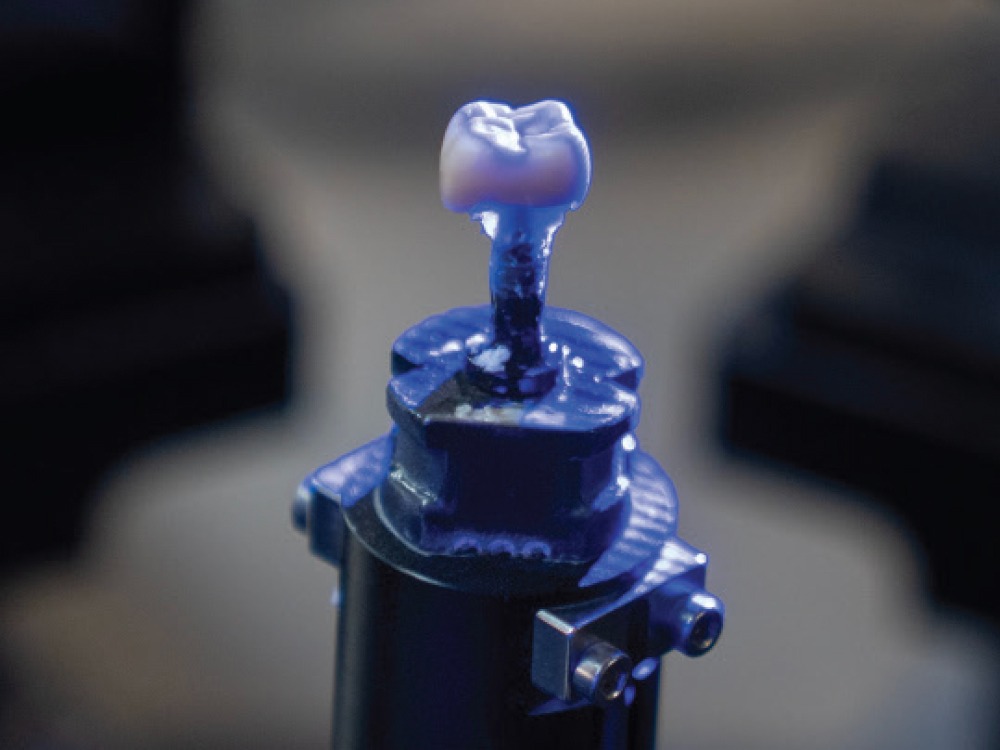
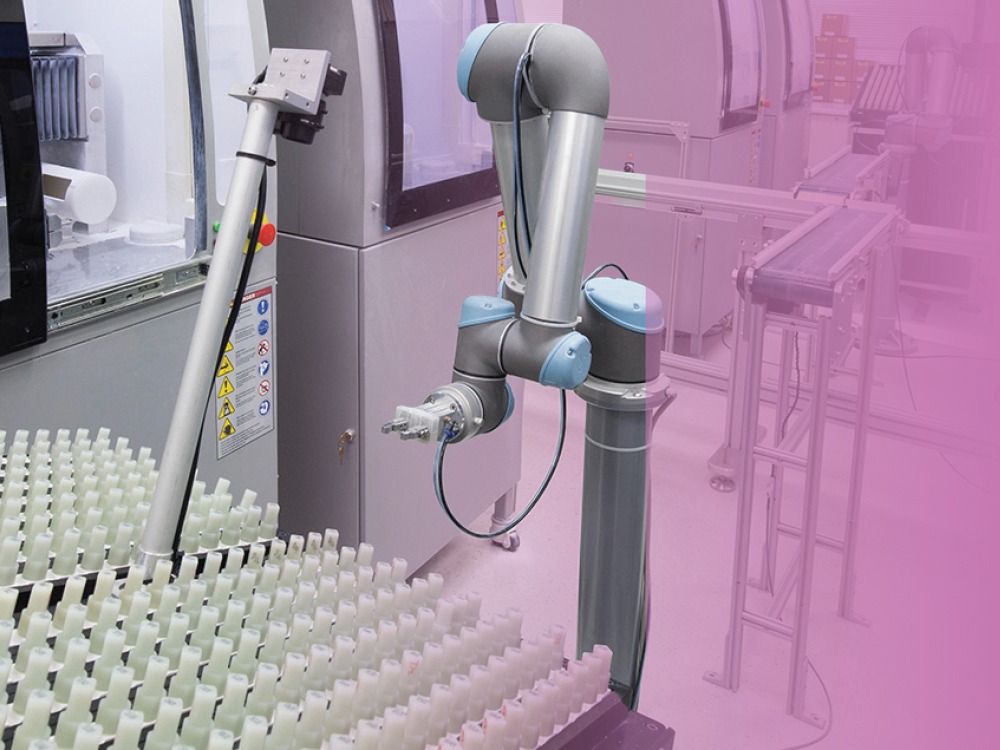
Thinking, Researching and Pioneering
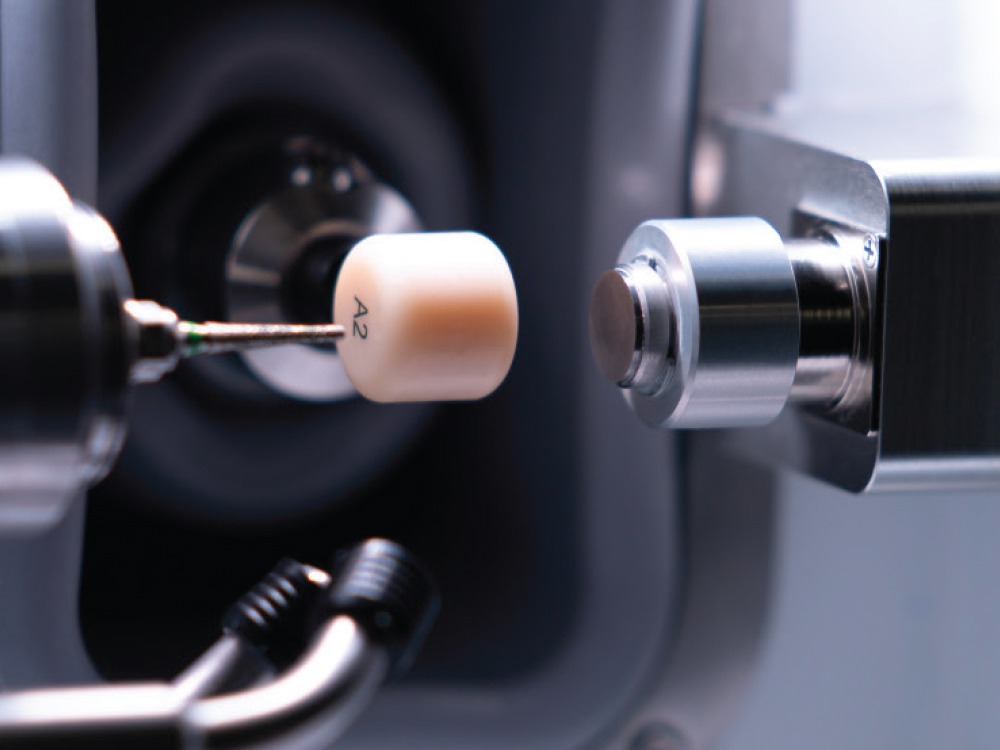
Glidewell emerged as a pioneer in dental machine learning years before the current AI trend. Partnering with the University of California, Berkeley, Glidewell’s AI team published the first generative-model study for restorative dentistry. This breakthrough led to the world’s first patient-specific, AI-generated restorative design and manufacturing process. This also happened to be the first known application of physical AI in any field, not just dentistry. As Sergei Azernikov, senior vice president of software development noted, “There are a lot of things done in virtual environments like cinema and gaming, but there are not many real-life applications. We are making crowns that fit in patients’ mouths.”
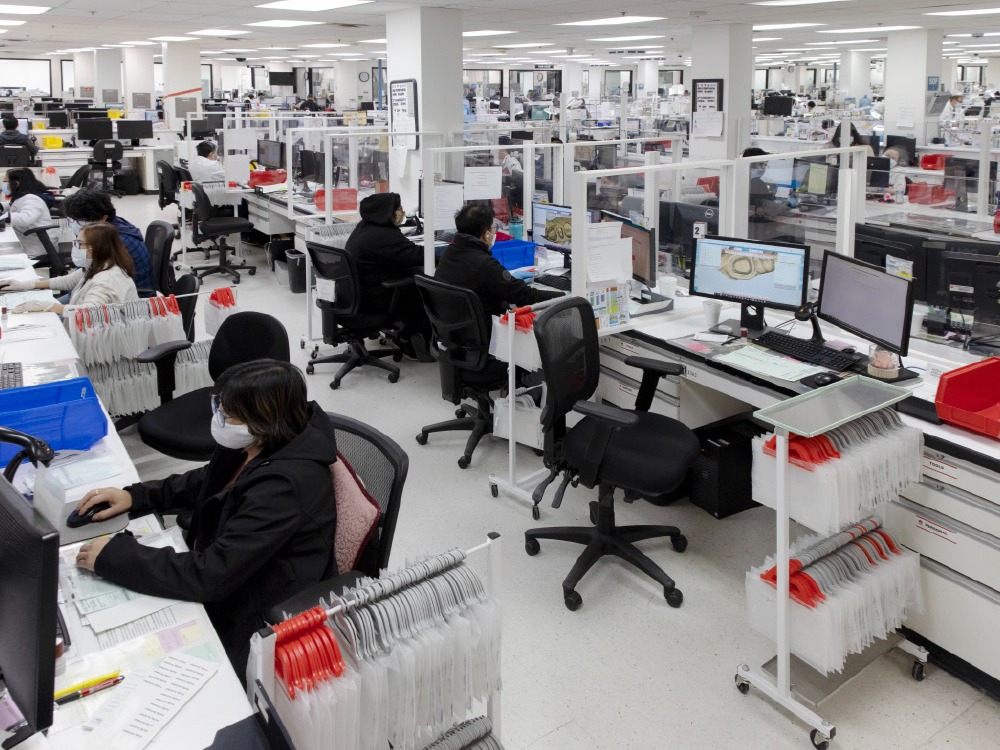
Dentistry has a unique need for machine learning because of the individuality of each tooth. However, since each specific tooth is similar across patients, analysis of a large number of impressions and designs creates a vast, structured dataset. With millions of anatomical variations available for analysis, it’s a perfect case to train Glidewell’s machine learning models.
In 2015, a significant breakthrough in machine learning showed how artificial intelligence could impact dentistry. It came in the form of a test of who could recognize tooth numbers better between an extremely experienced human technician and the AI training model. The person turned out to be right 90–95% of the time, while the machine was 100% correct.
Betting Big On AI
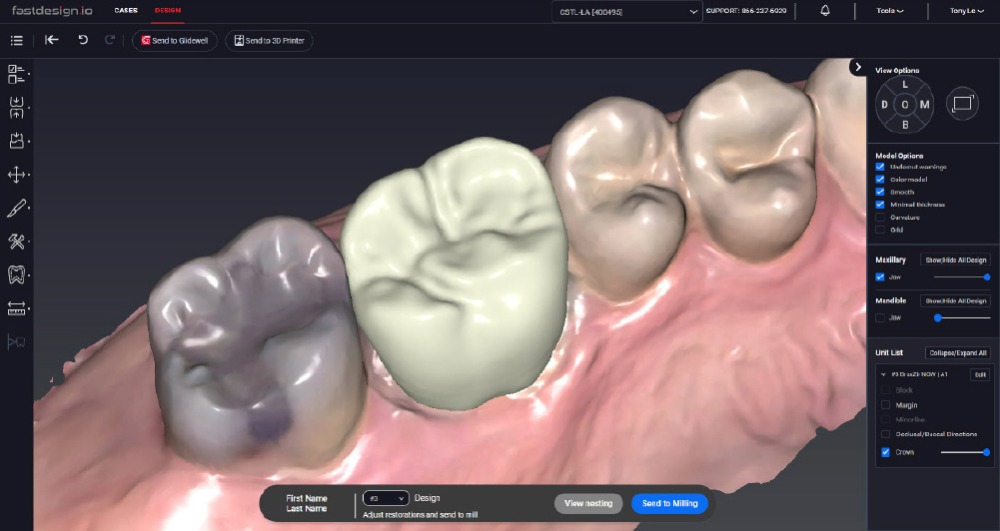
Glidewell began integrating artificial intelligence into crown design, using algorithms built on its industry-leading volume of restorative cases to optimize and automate the creation of dental prosthetics. It marked a fundamental shift, reducing design errors and ensuring restorations fit seamlessly with natural contacts and occlusion.
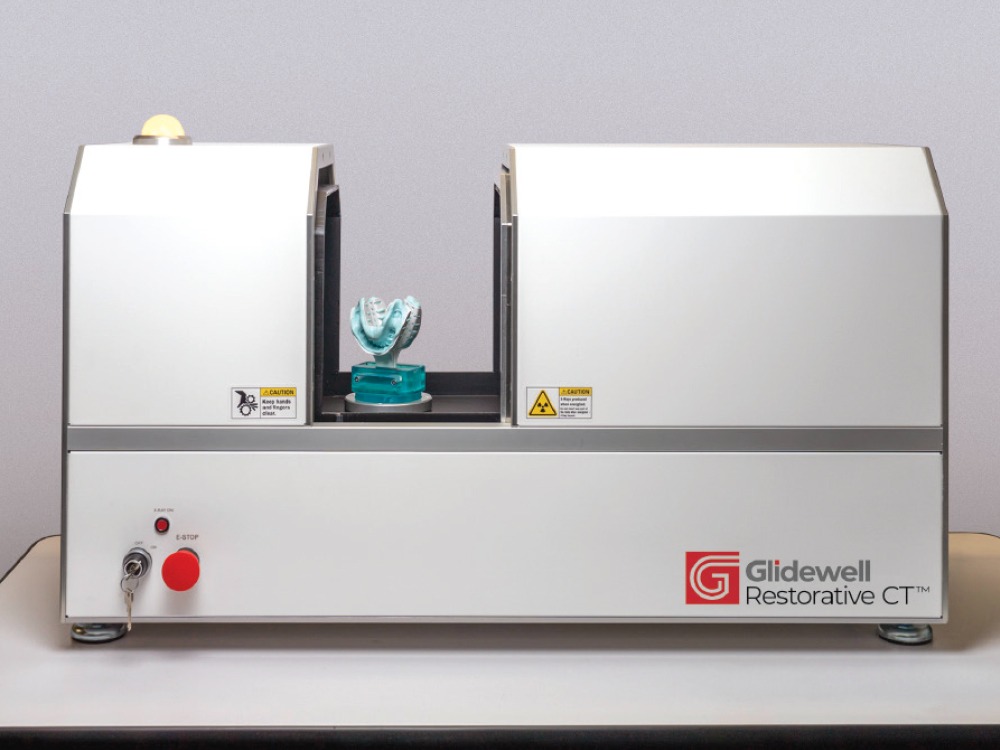
Physical impressions dominated the lab industry for decades, but in March 2023, digital impressions overtook conventional ones for the first time at Glidewell, and by 2025, roughly 70% of incoming cases were submitted directly from the clinician’s intraoral scanner. Glidewell’s AI software handles the intake process and immediately assigns incoming cases to a designer.
AI-Related Advances At Glidewell
The glidewell.io™ In-Office Solution gives dentists the ability to leverage AI design and integrated equipment to mill a fully sintered zirconia crown in the clinic and deliver same-day crowns.
Glidewell Signature™ is a collaborative esthetic workup platform where dentists can review, approve, or refine prospective smile designs in real time, with laboratory support every step of the way.
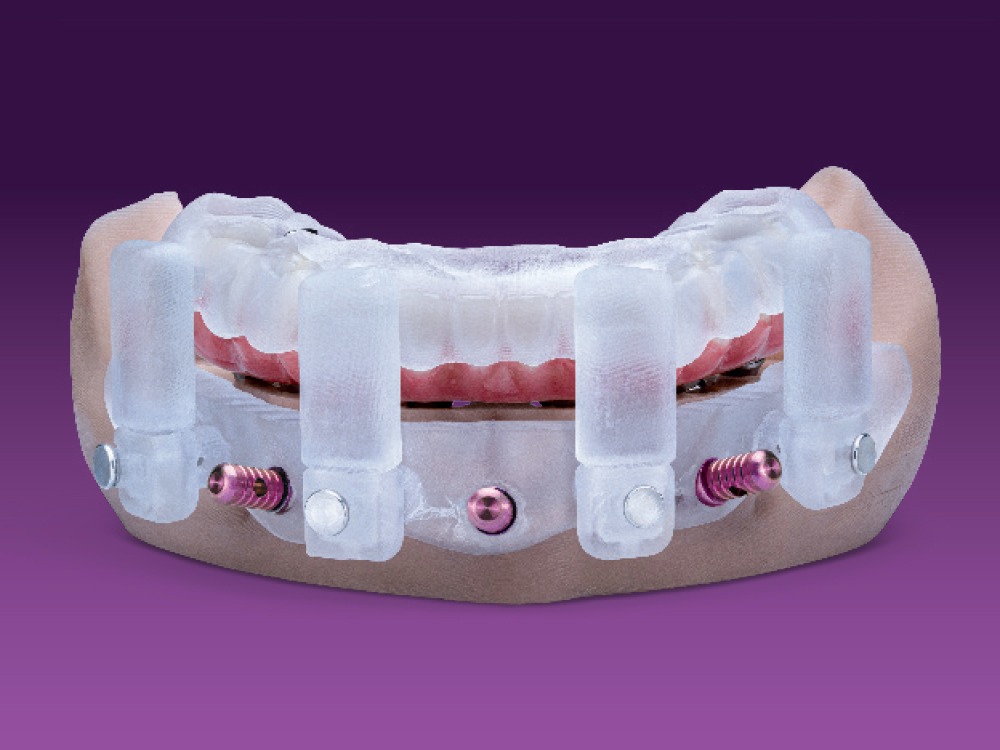
GlidePRO™ Stackable Surgical Guide System is a start-to-finish guided surgical workflow for full-arch restorations, offering same-day provisionals through integrated scanning, wax-up planning, and rapid 3D printing.
Automation and AI have enabled Glidewell to manufacture Next-Day BruxZir® Zirconia crowns. Whether for emergency situations or to provide an extreme level of convenience, Next-Day BruxZir makes it possible to scan today and receive tomorrow.
SimpliOne™ Design Service is an online portal for instant CAD model generation. Drag and drop files, and AI delivers printable model designs within minutes.
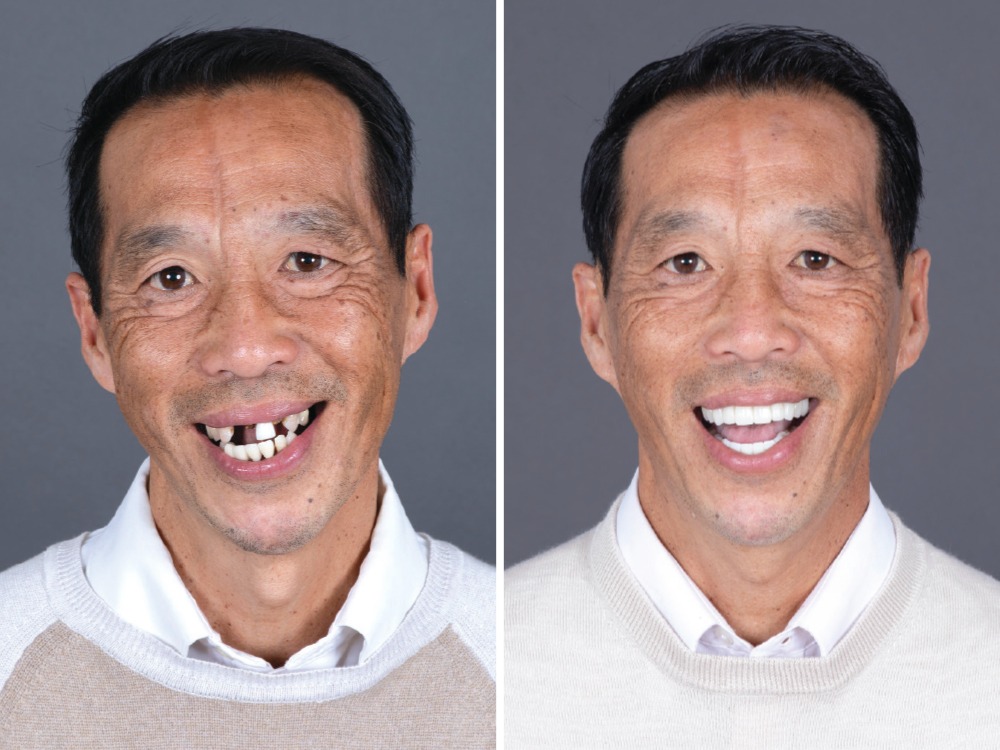
Compared to conventional methods, AI- and automation-driven processes result in fewer occlusion issues, chairside adjustments, and remakes. These benefits translate into faster delivery appointments and better patient experiences.
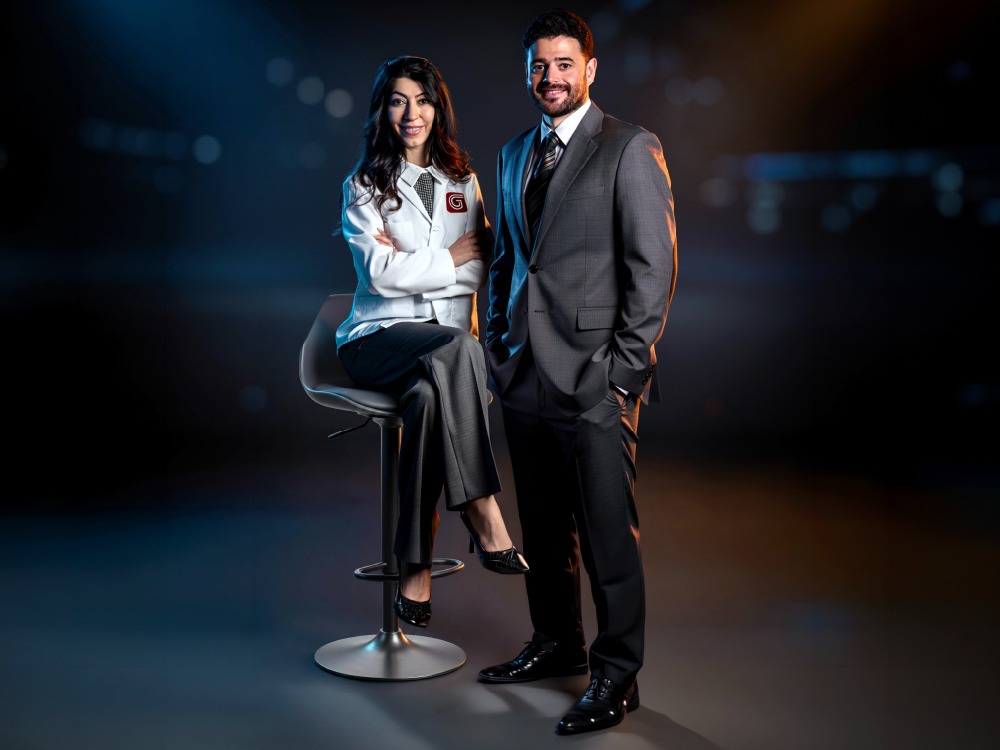
The Innovators
Sergei Azernikov
SVP of Software Development
Having lived in Ukraine, Israel, and the U.S., Sergei brings a global perspective to automation and digital manufacturing. A Ph.D. in engineering from Technion (the Israeli MIT) and postdoctoral work in automatic inspection of automotive parts at the University of Michigan deepened his technical expertise. His career includes developing patient-specific medical device technologies at Siemens and contributing to several medical-focused startups before joining Glidewell in 2012. Today, he leads a team of about 200 software and QA engineers, under his personal motto: “Innovation happens when you empower brilliant people to explore beyond the obvious.”
Odri Seryadegar
Director of Dental Production BruxZir®
Odri pivoted from the airline industry to dental technology when she joined Glidewell 24 years ago as a dental technician. She advanced through technical advising, quality control, and general management, building deep expertise across production, call center operations, and digital workflows. Odri helped lead Glidewell’s transition to model-free, fully digital manufacturing. Today, she focuses on strategy and innovation, ensuring growth never compromises patient care or quality.