
In this issue:
3D Printing
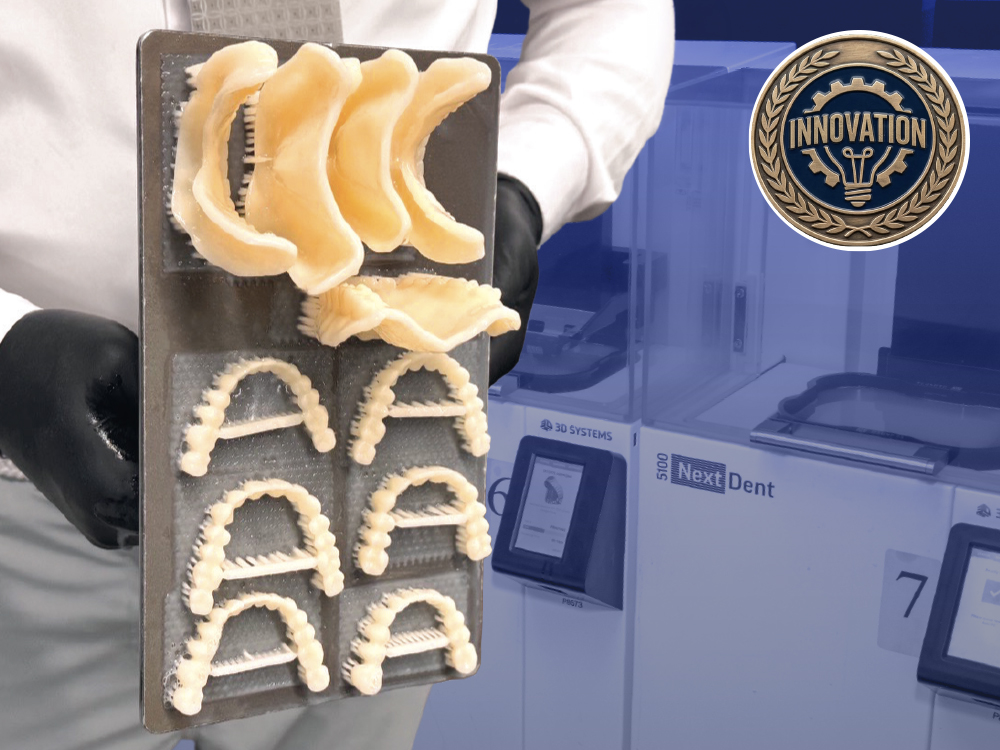
Because no two restorations are identical, dental laboratories have always been in the business of mass customization. This unique demand has made dentistry one of the earliest and most active adopters of 3D printing technology.
“We mass-produce snowflakes,” says David Leeson, executive vice president of engineering, manufacturing, and research & development at Glidewell. “We’re able to meet the challenge of producing millions of unique resin-based restorations and intraoral devices with 3D printing. The process is highly efficient because the design is handled digitally, and the manufacturing requires no molds or retooling.”
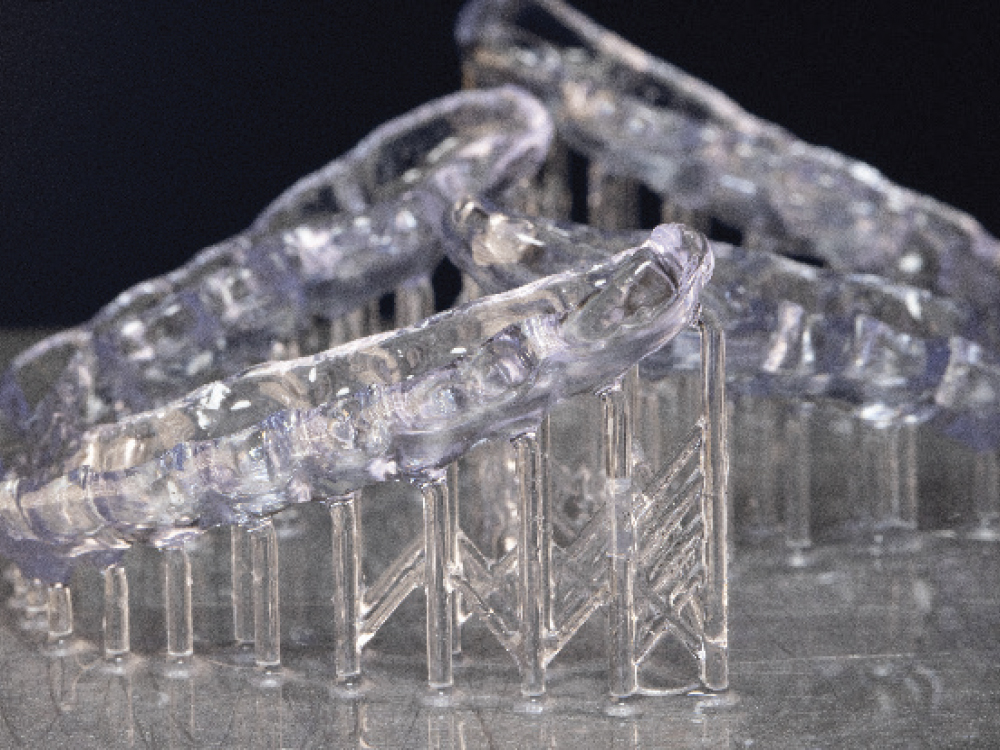
Glidewell brings together research, materials science, digital design, and industrial-scale manufacturing to deliver consistent, high-quality results across a broad range of 3D-printed devices including full and partial dentures, sleep appliances, surgical guides, and metal partial denture frameworks.
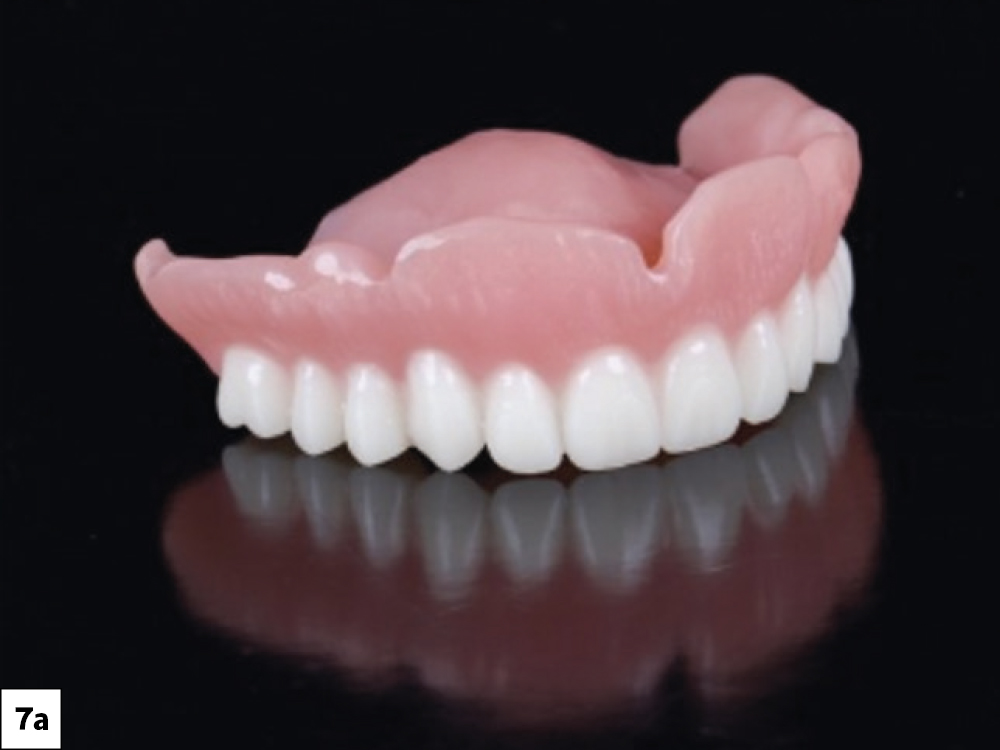
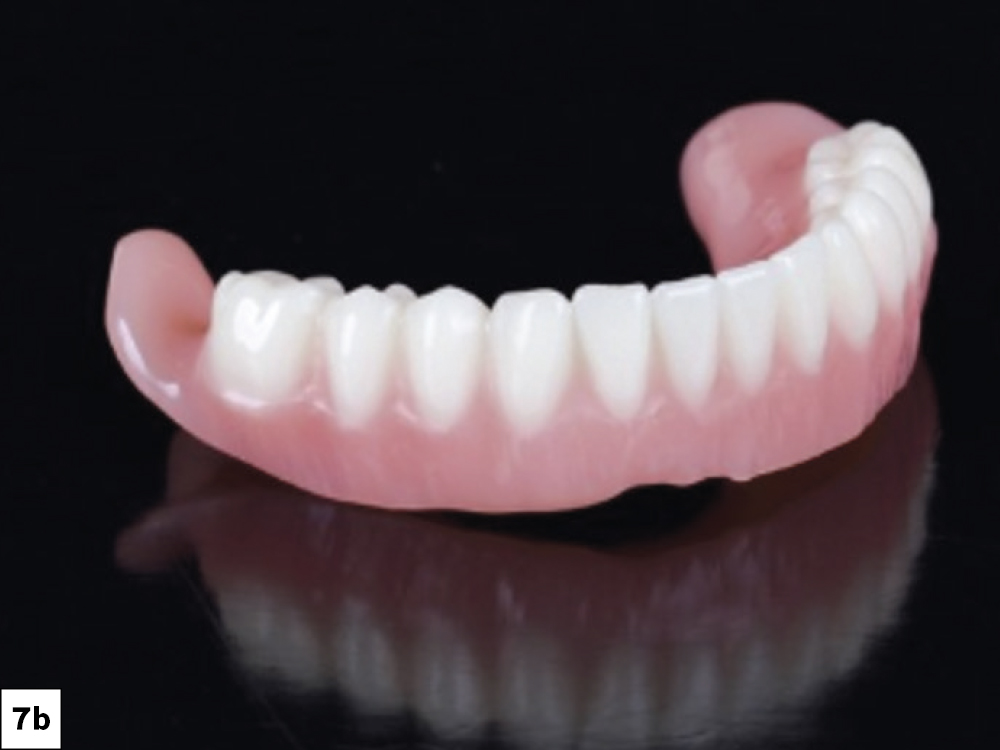
When it comes to full dentures, Glidewell’s R&D team has developed a proprietary assortment of resins engineered specifically for 3D printing. The advanced formulation produces precise, strong, comfortable dentures with a fast turnaround time, and delivers a natural look that rivals traditional removables.
Immediate and definitive dentures can be digitally designed from intraoral scans and 3D-printed using a streamlined clinical workflow. From better-fitting record bases to functional try-ins that eliminate the need for wax, digital technology allows clinicians to work with greater accuracy and efficiency. Compared to traditional techniques, the digital approach is faster, more precise, and significantly reduces material waste.
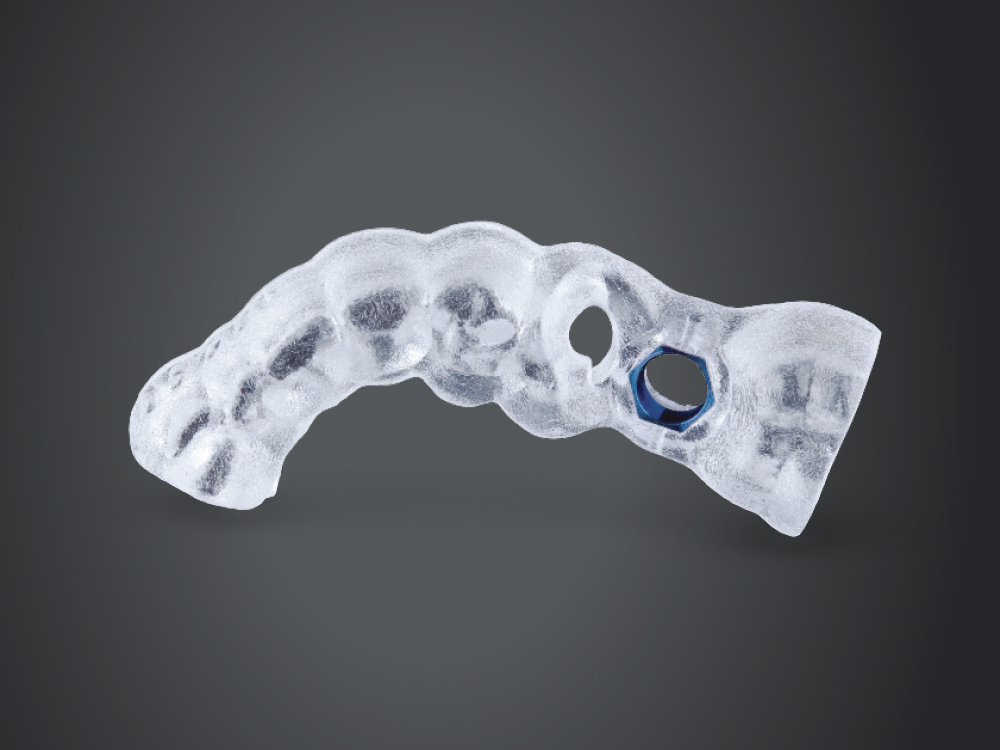
Looking at implant cases, a full range of 3D-printed surgical guides support clinicians across a wide variety of procedures. These guides deliver precise, customized, easy-to-use solutions that help achieve optimal restorative outcomes.
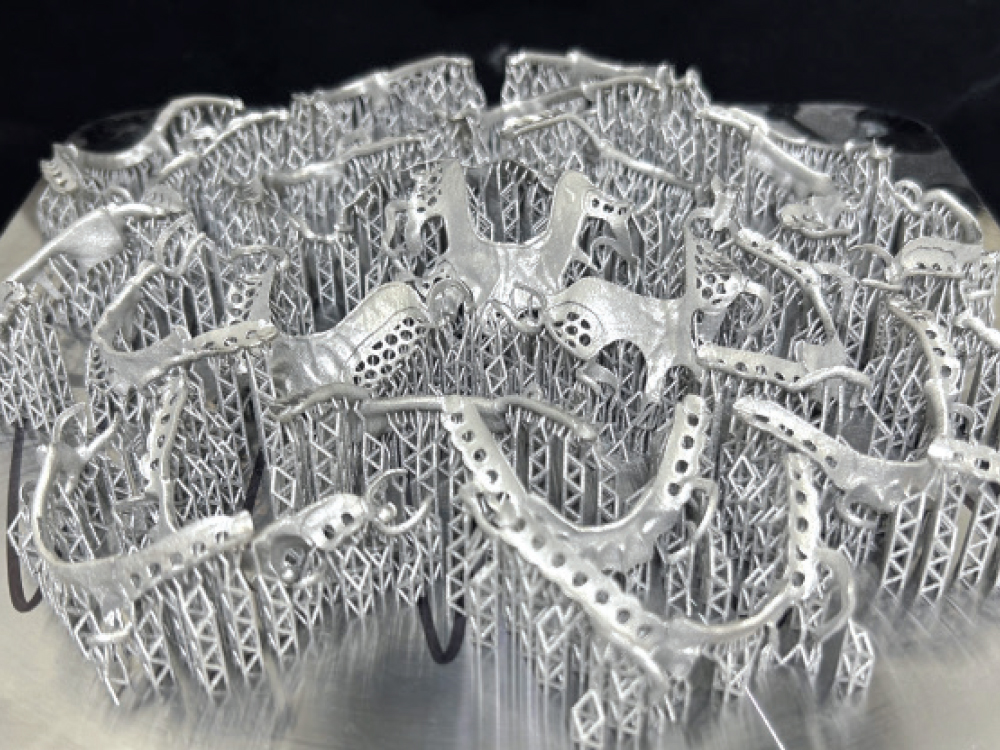
Additionally, Glidewell leverages selective laser melting (SLM) to digitally produce high-quality cobalt-chrome frameworks that offer exceptional fit and mechanical performance for partial denture frameworks. The combination of digital design and 3D printing achieves levels of strength, precision, and predictability previously unattainable with the traditional lost-wax technique.
By controlling much of the production process, including the development of proprietary resins and custom software, Glidewell redefines dental care through its pioneering use of large-scale 3D printing.
3D-Printed Dentures: From Immediate to Definitive Treatment

by Taylor Manalili, DDS
Director of Clinical Prosthodontics, Glidewell
Irvine, California
CASE REPORT
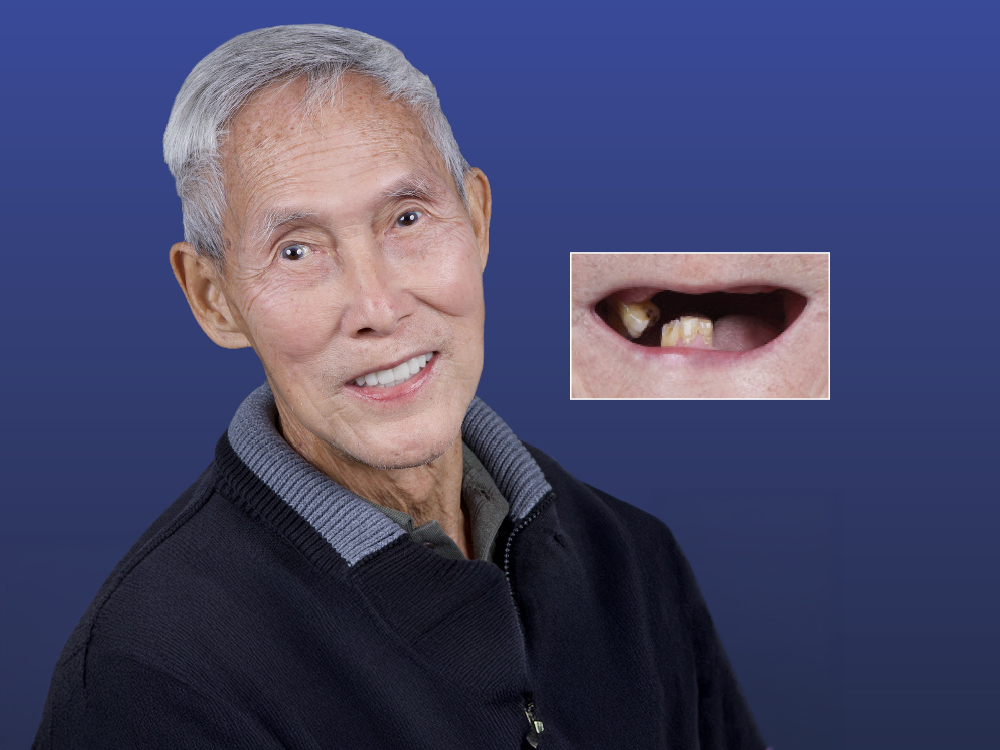
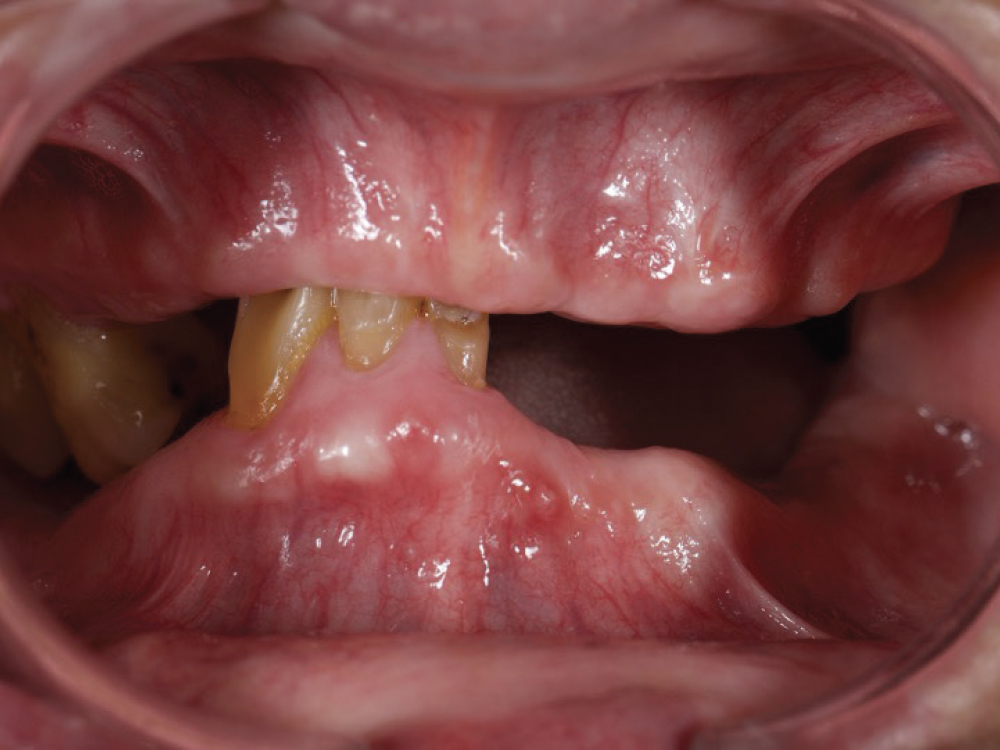
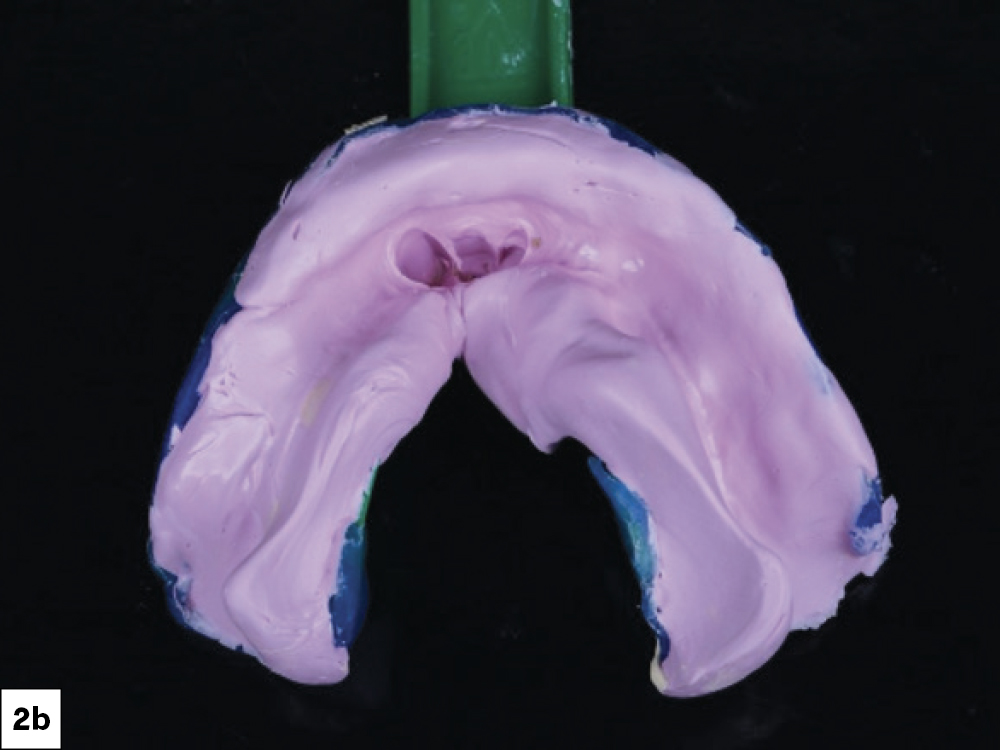
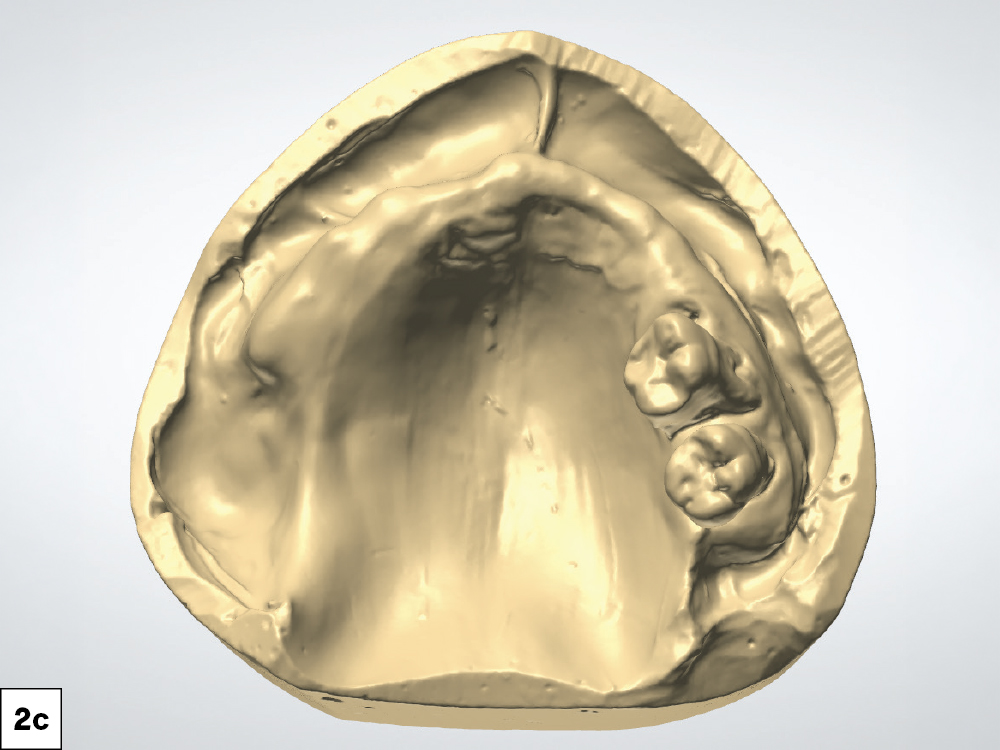
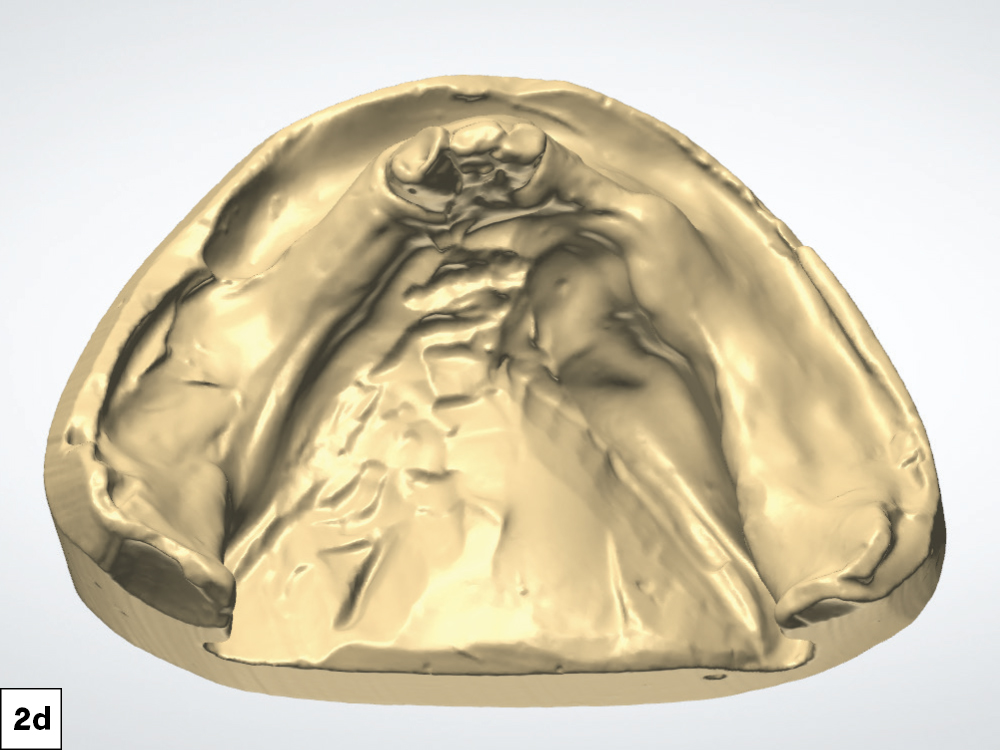
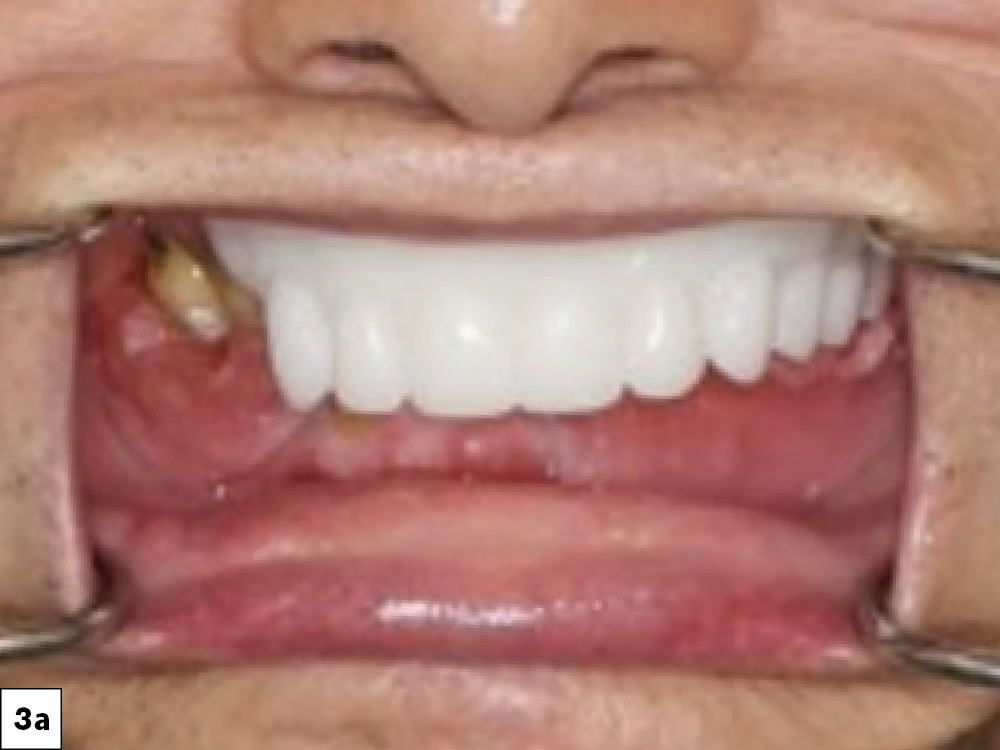
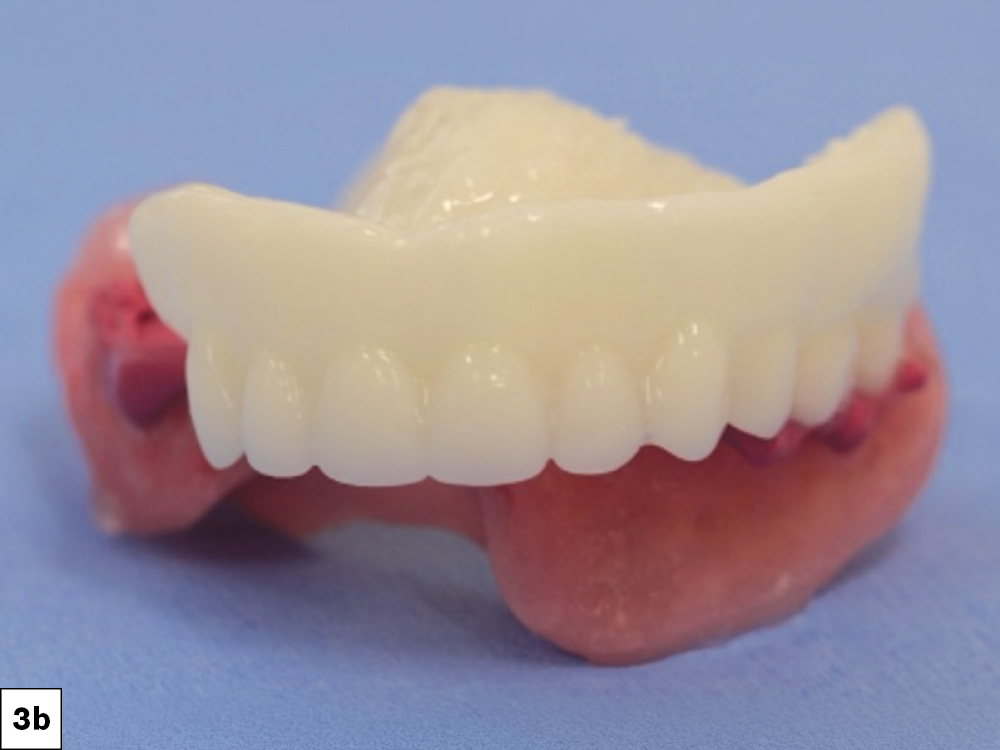
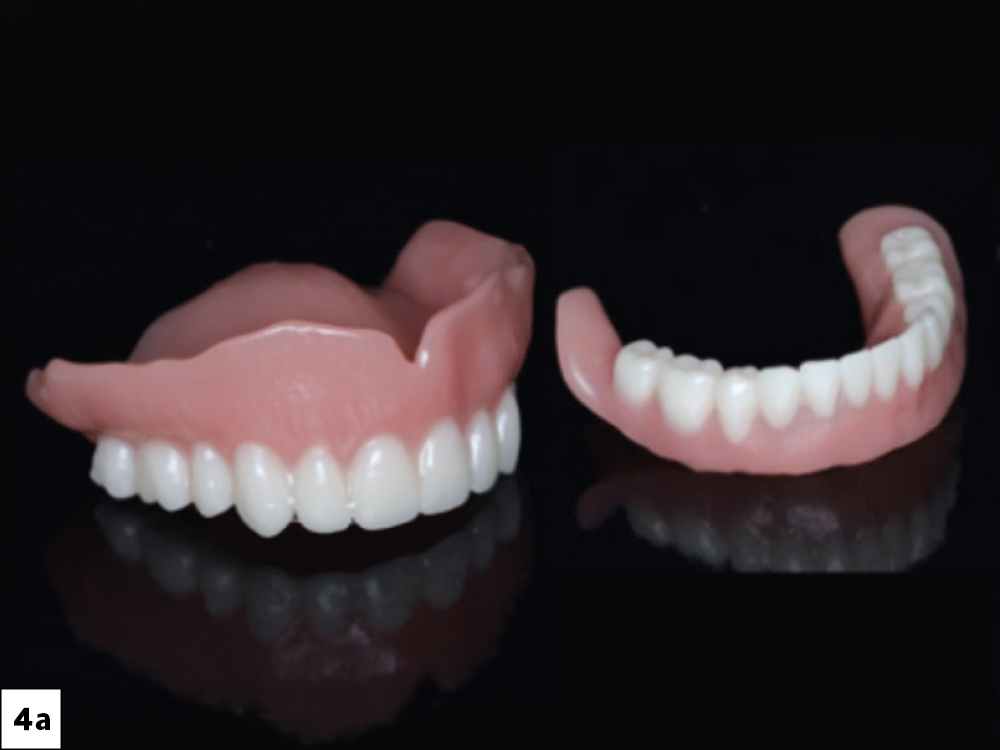
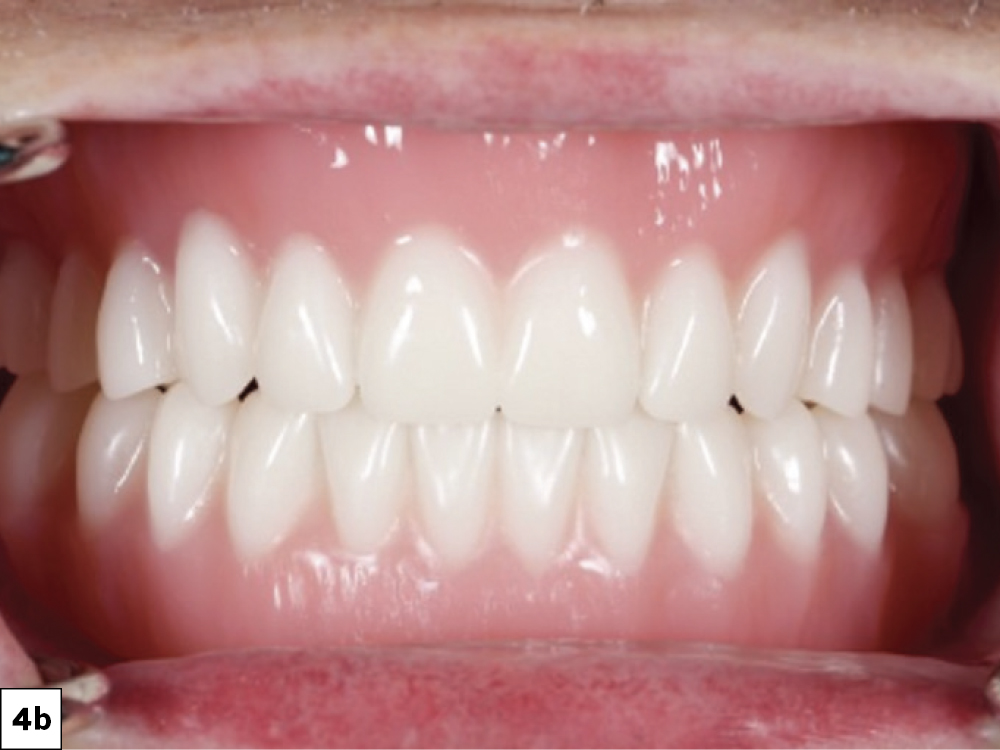
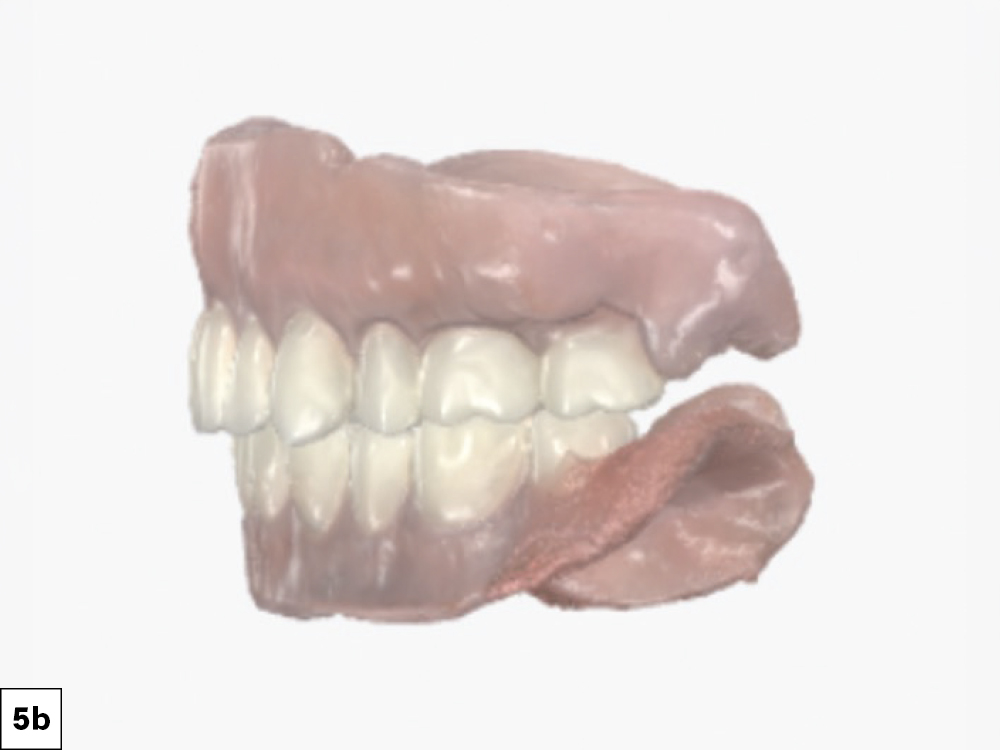
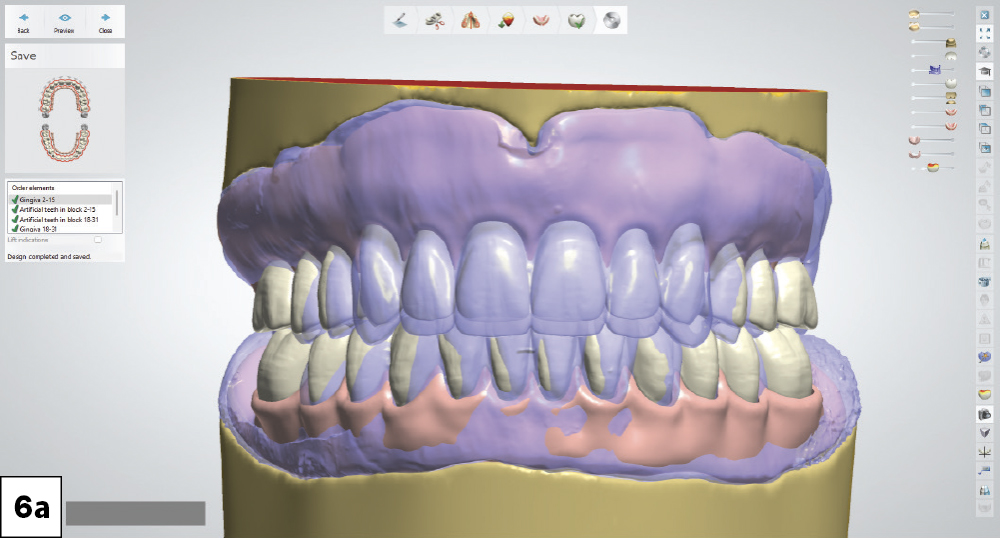
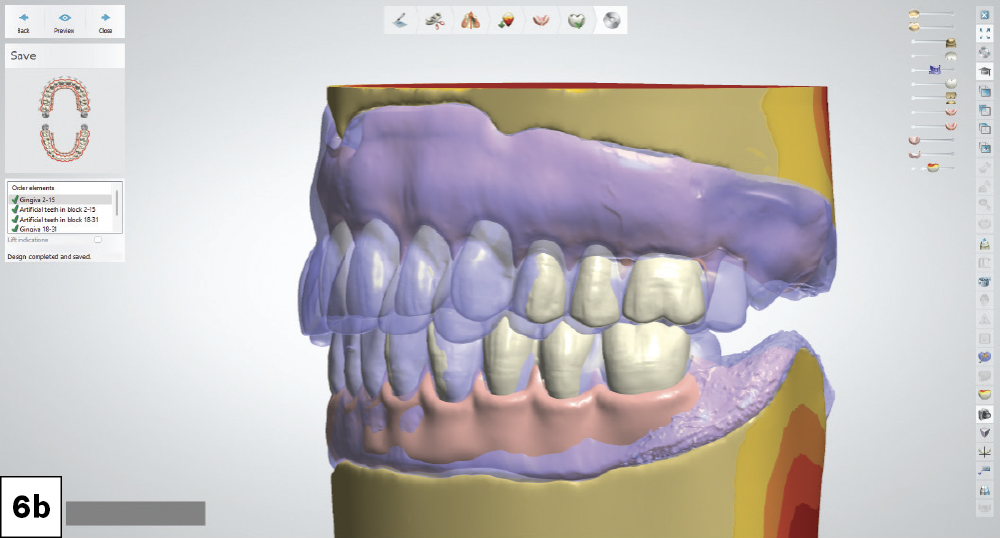
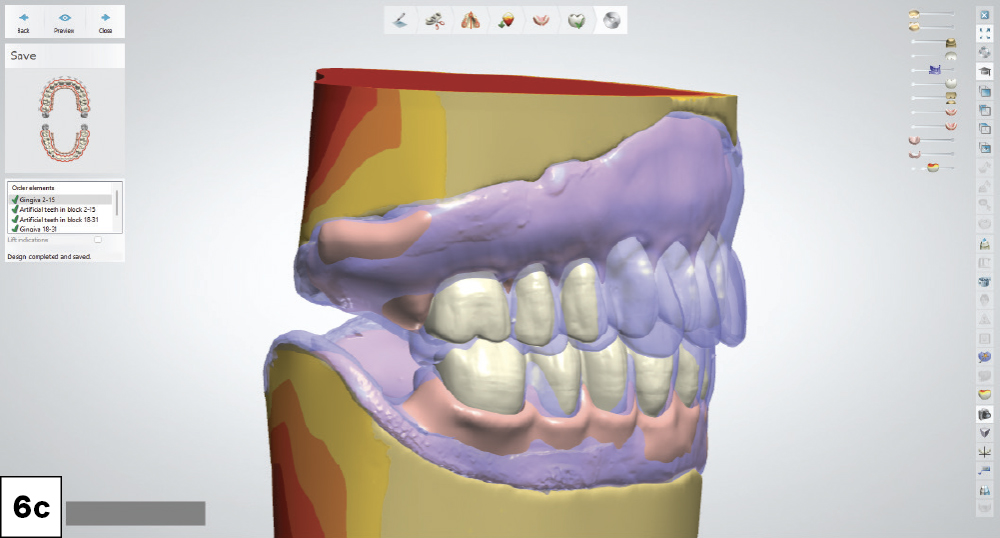
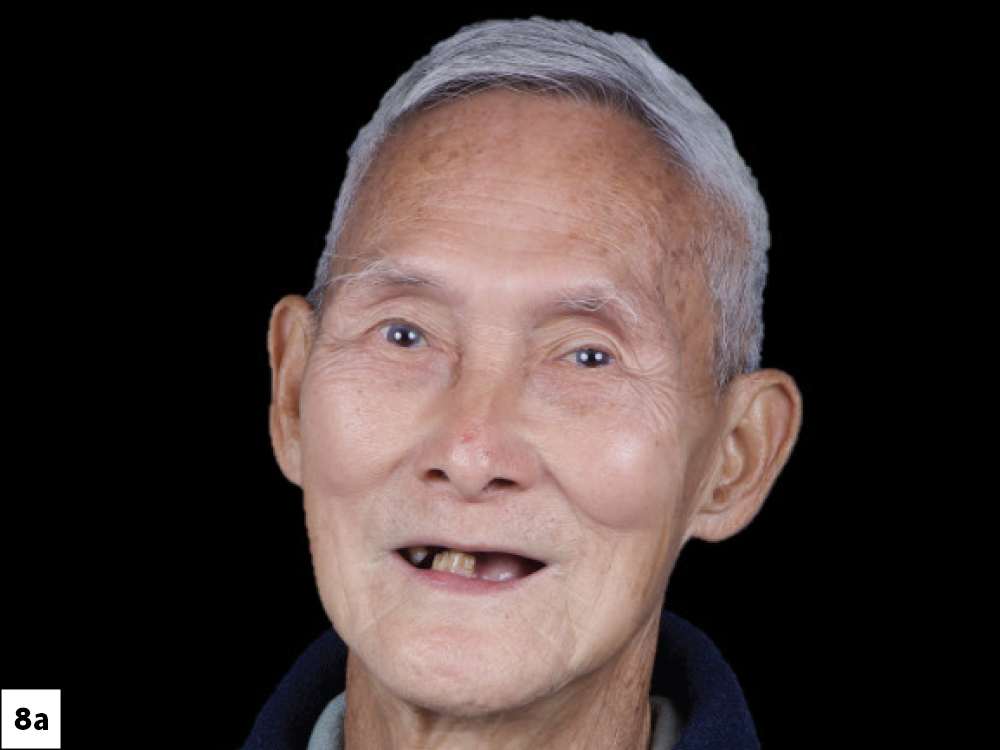
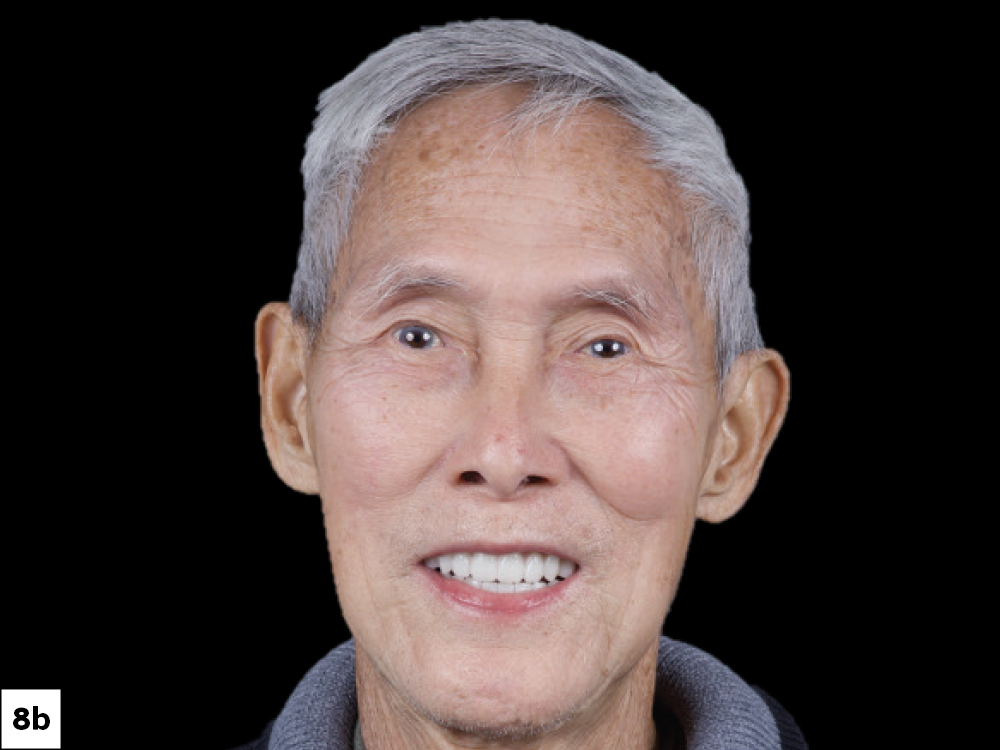
Son Hua is an 81-year-old male who presented with a terminal dentition in both arches requiring complete denture rehabilitation. Treatment was completed using a digital workflow centered on 3D-printing technology. A two-phase approach was used: fabrication of an immediate denture to guide healing and provide esthetics and function at the time of extraction, and, following healing, fabrication of a definitive denture using the immediate denture as a reference prosthesis.
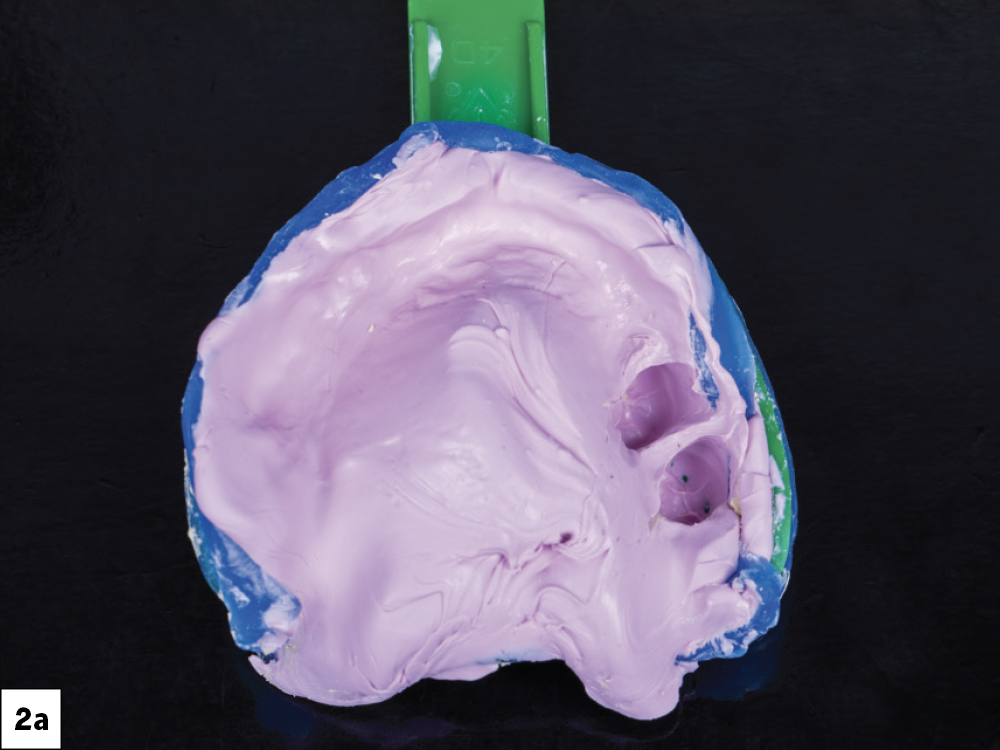
Due to the limited number of remaining teeth in the patient’s terminal dentition, a key challenge in this case was the lack of a preexisting maxillomandibular relationship (MMR) that could be predictably communicated to the laboratory. To address this, the immediate denture workflow included a try-in with a bite block. A partial digital try-in opposing a partial lower bite block allowed determination of the MMR, including midline, incisal edge position, and vertical dimension of occlusion (VDO), before fabrication of the immediate prosthesis.
THREE MONTHS LATER
(HEALING PHASE)
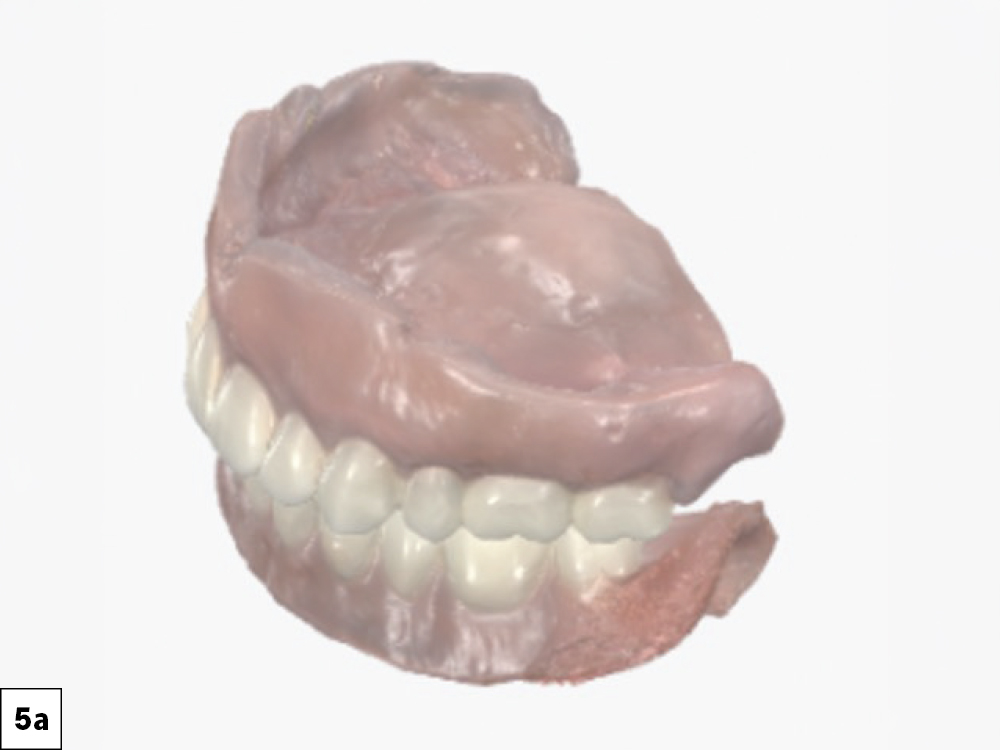
After approximately three months of healing, the definitive denture phase was completed using the immediate dentures as reference prostheses. This workflow provided an efficient way to capture minor esthetic and occlusal corrections while accommodating post-extraction hard- and soft-tissue changes. The definitive prostheses were also fabricated using 3D-printing technology.
CONCLUSION
This case demonstrates how a two-phase digital denture workflow combined with 3D-printing technology can improve the predictability and efficiency of complete denture treatment in patients with terminal dentition.
Using the 3D-printed immediate denture as a reference prosthesis for the definitive denture also provides a practical pathway for refinement after healing. Esthetic, occlusal, and tissue-surface modifications can be incorporated into the definitive prosthesis while preserving the clinical information validated while the patient was wearing the immediate dentures. In addition, the digital workflow offers long-term value by allowing denture designs to be archived for five years, making future replacement more efficient.
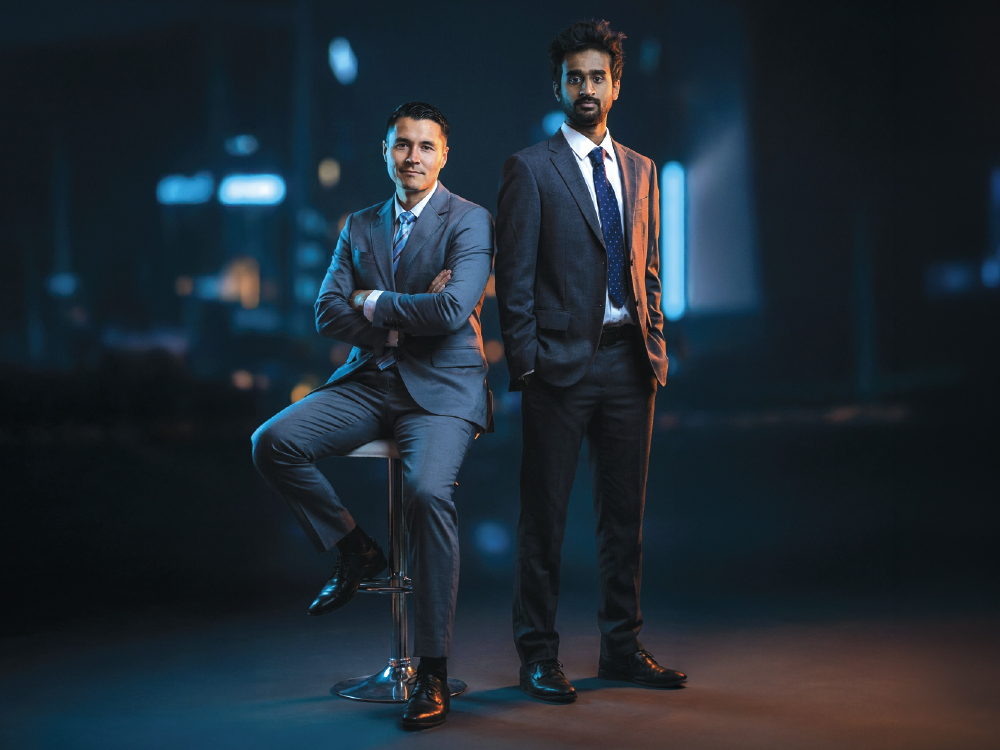
The Innovators
Chuck Stapleton
VP of Regional Operations
As a teenager working in his stepfather’s dental lab, Chuck gained an early appreciation for the craftsmanship behind dental restorations. After obtaining degrees at UC San Diego in economics, computer science, and mathematics — followed by an MBA from the W.P. Carey School of Business at ASU — he joined and led the dental division of 3D Systems Corporation, the world’s largest 3D printing company. Now at Glidewell, Chuck is applying his expertise in evaluating the latest technologies and how to apply and scale them into Glidewell’s massive digital production ecosystem.
Ankush Venkatesh
Intrapreneur of Additive Manufacturing
While researching the evolution of 3D printing at the Tuck School of Business at Dartmouth, Ankush realized that dentistry would be revolutionized by 3D printing. It was the perfect space for him to apply his skills in digital manufacturing as well as software-driven and robotics-enhanced production. As an additive manufacturing engineer at Glidewell, Ankush is focused on the next decade of innovation, leading initiatives to bring recent advances into real-world, high-volume dental manufacturing.