
In this issue:
Treatment Options for the Edentulous Arch: Comparing Locator® Overdentures, Locator Fixed and Screw-Retained Prostheses (1 CEU)
Author
Today’s dental professionals have an array of excellent choices to dramatically improve quality of life for edentulous patients. While removable dentures have been a reliable treatment for decades, dental-implant-assisted prostheses have proven to be a viable alternative and provide an opportunity for better function and esthetics.
Several modes of treatment of the edentulous arch are within the sphere of the general dentist, and it is essential to educate our patients about the benefits of each option. This article discusses three treatment options that have provided cost-effective solutions in my practice. The first option is removable, while the second and third are fixed. Careful communication is critical so that patients understand the relative cost and benefits, as well as treatment time, for each of these choices.
LOCATOR® OVERDENTURE
Implant-retained overdentures have proven to be an affordable and predictable treatment option for patients who request improved denture stability and chewing function. These prostheses can provide improved retention in both arches. The most critical aspect of any implant-retained overdenture is the appropriate number, positioning, and angulation of the dental implants.
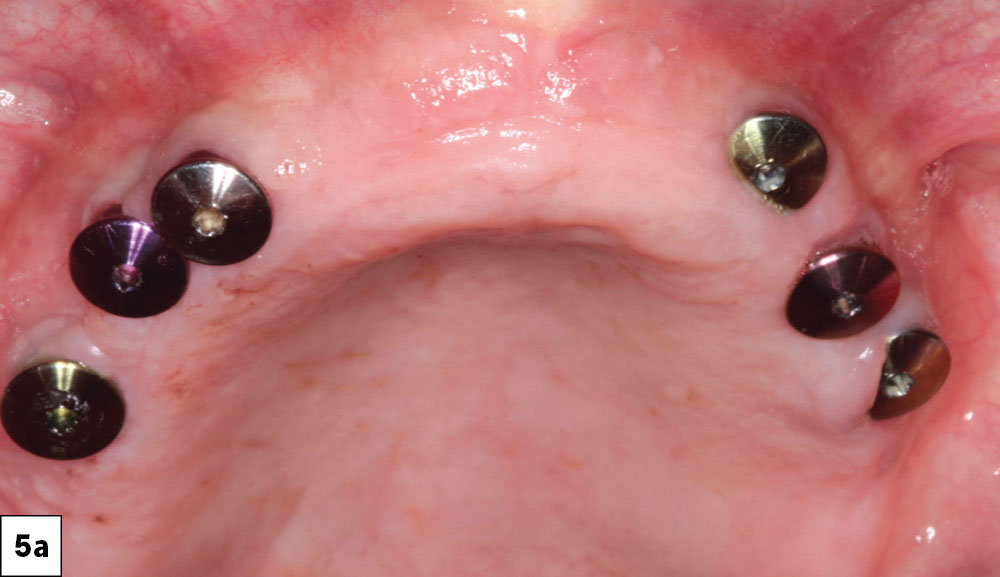
The Locator® Implant Attachment System (Zest Dental Solutions; Carlsbad, Calif.) is a proven and practical design for implant-retained overdentures. These attachments exhibit the lowest vertical height in implant reconstruction, greatly simplifying the prosthetic procedures. The self-locating design allows the patient to easily seat their overdentures, significantly reducing the patient’s period of adaptation.
The system consists of dual retention, engaging both the inside and outside of the components. The resilient connection consists of a retentive nylon attachment that remains in contact with the abutment while the titanium denture cap has the full range of rotational movement over the male. The standard Locator attachment can be used to restore implants with up to 10 degrees of divergence, or 20 degrees between implants. The Locator Extended Range (XR) attachment can accommodate divergence up to 40 degrees total. Increasing the number and spacing of implants increases stability.
Requirements for Locator-supported implant-retained overdentures include at least two implants in the mandible and four implants in the maxilla, spaced for proper cross-arch stabilization. Cantilevers — the portion of the prosthesis extending distal to the implants — should be no more than 1.5 times the anterior-posterior (A-P) spread of the implants.
When treatment planning and designing the prosthesis, accurate selection of cuff size is imperative, allowing the abutment at least 1.5 mm of clearance above the soft tissue.
LOCATOR FIXED
The Locator Fixed option (Zest Dental Solutions) provides prosthetic results many patients desire at a more attainable price point than conventional fixed appliances. The system uses the same abutment as the overdenture but with a more retentive housing processed into the prosthesis, making the appliance removable only by the dental professional. The proprietary inserts create the retention needed for a fixed full-arch solution and can be used with implant divergences up to 20 degrees, with additional correction possible using Locator Angled Abutments.
Implant spacing remains an important consideration: At least four implants with proper cross-arch stabilization are mandated. Locator Fixed maintains the same prosthetic space requirements as the Locator removable system, allowing fixed treatment with 9–11 mm of prosthetic space rather than the 12–15 mm required for more conventional screw-retained implant prostheses. Cantilevers should be no more than the A-P spread, and half of that for bruxers or clenchers.
The Locator Fixed option is particularly beneficial when a patient who has been treated with a Locator Overdenture wishes to upgrade to a fixed prosthesis. In this case, the same abutments can be used, while the prosthesis is modified or remade.
SCREW-RETAINED PROSTHESIS (Screw-Retained Full-Arch)
The screw-retained full-arch implant prosthesis has become very popular, primarily due to dramatically improved mastication. In the past, the hybrid design predominated, with screw-retained prostheses designed with cast or milled bars and then wrapped with acrylic gingiva and denture teeth. Wear and fracture of the acrylic portions were common complications. Since the introduction of the milled monolithic zirconia restoration, such as the BruxZir® Full-Arch Implant Prosthesis, these CAD/CAM-assisted milled bridges have begun replacing traditional hybrid appliances. The material is stronger and more fracture resistant, and the method of fabrication provides a more accurate fit. In addition, the zirconia prosthesis provides a healthier oral environment because plaque and debris do not readily adhere.
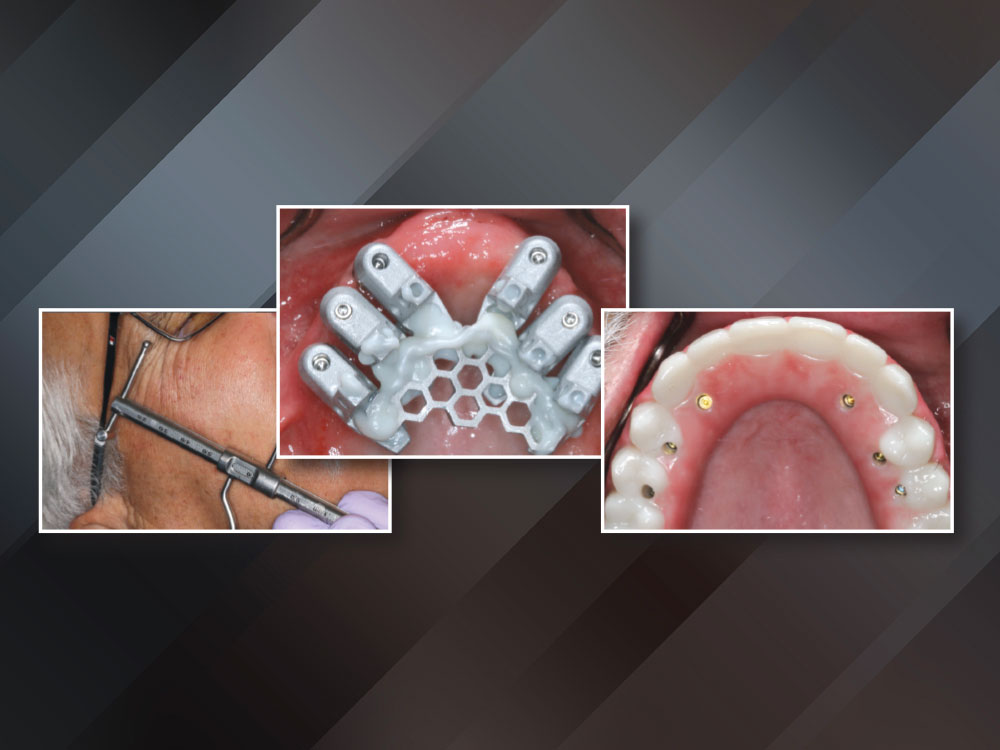
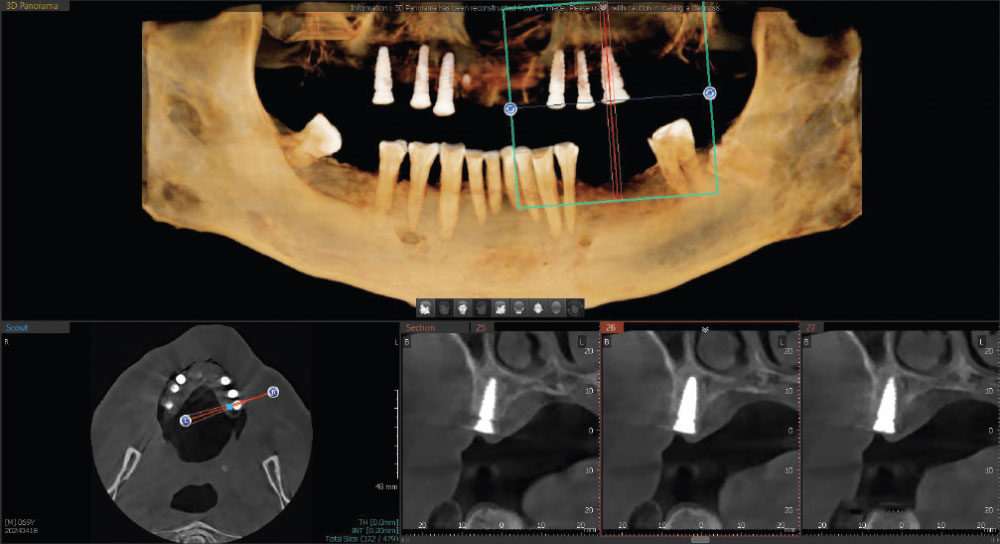
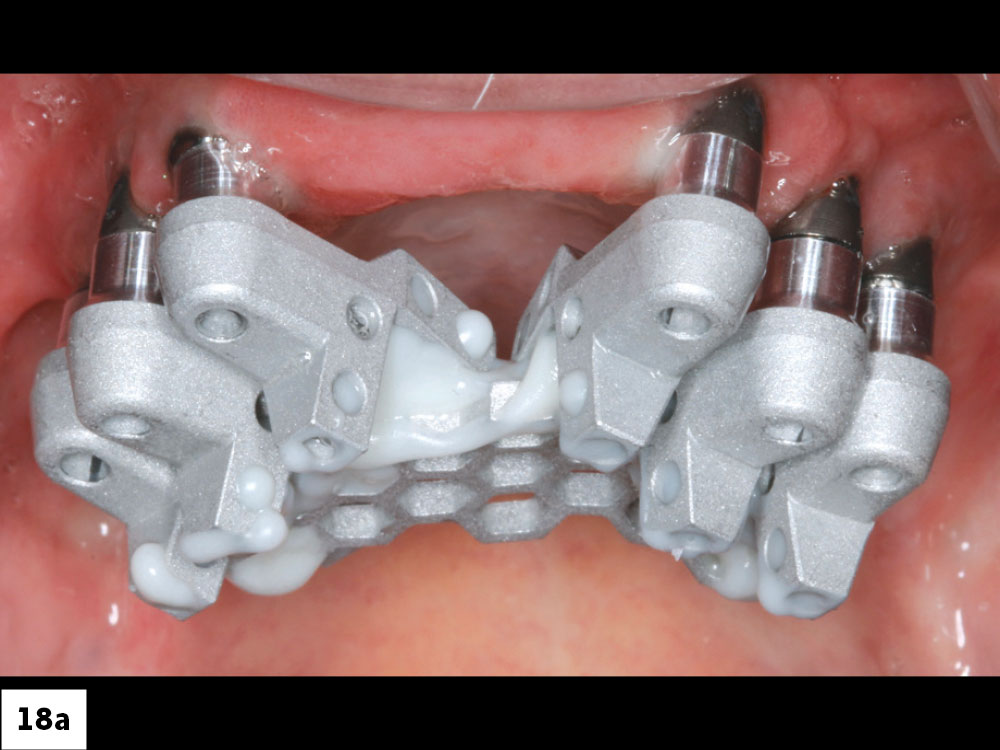
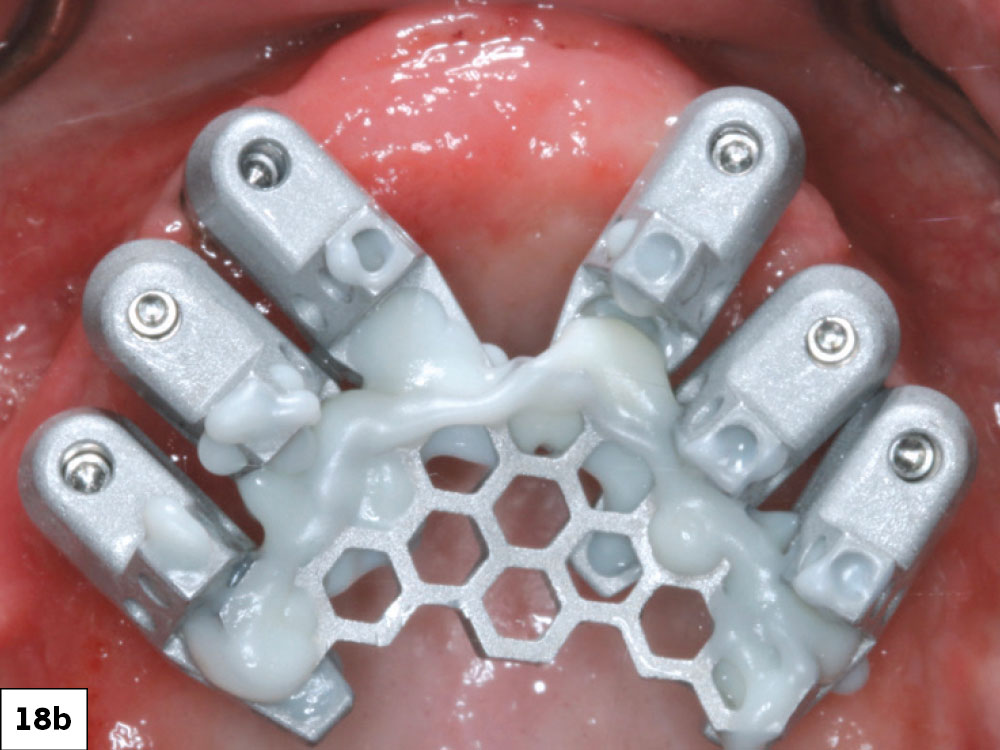
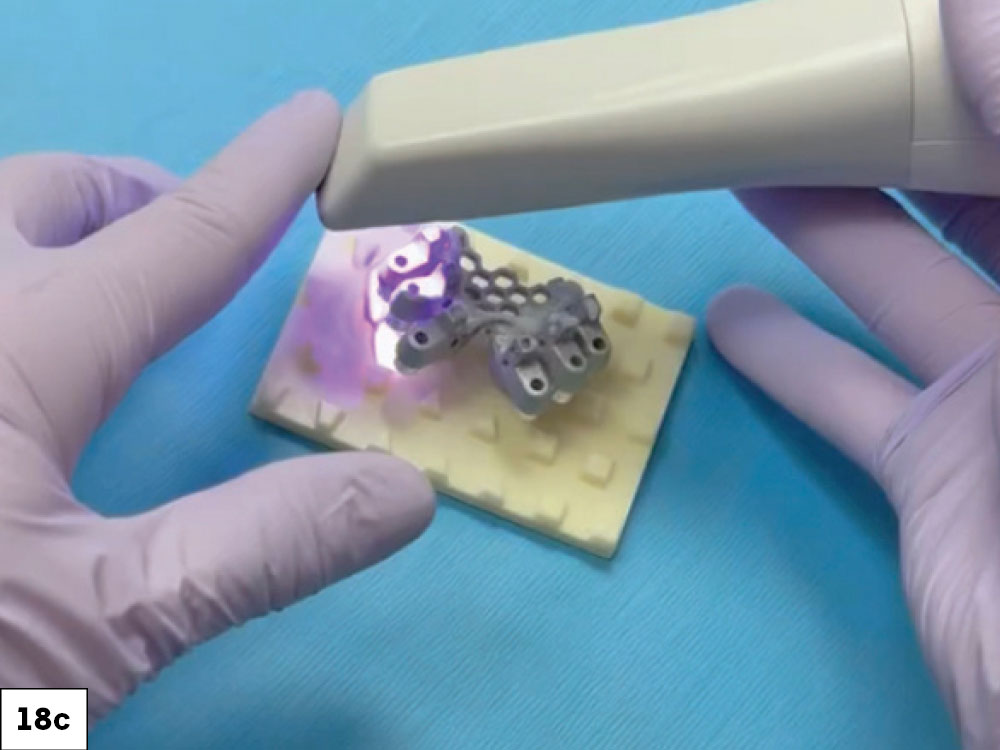
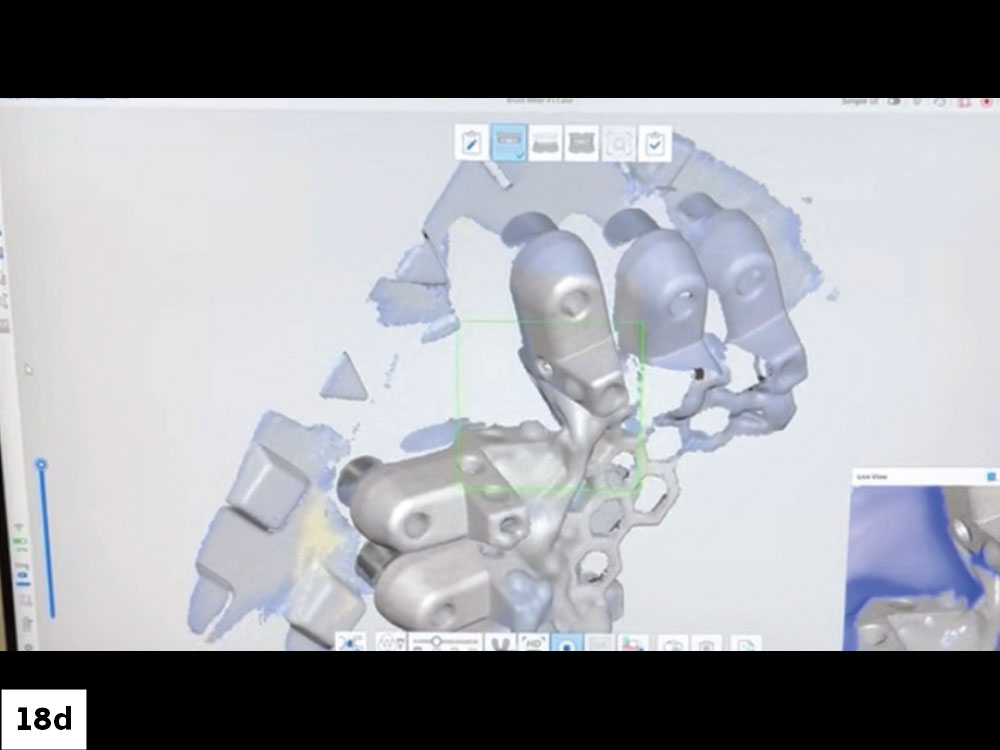
Recent advancements in digital dentistry have made the full-arch fixed prosthesis more predictable. CBCT analysis provides a three-dimensional understanding of the patient’s anatomy and assists in the identification of favorable implant sites. Digitally guided implant surgery ensures that implants are placed in accordance with the surgical plan. And, most favorably for the patient, CAD/CAM laboratory procedures allow the delivery of a printed provisional at the time of surgery.
After tissue healing and osseointegration of the implants, the patient is fitted with the full-arch BruxZir restoration, guided by the patient’s experience with the provisional design. This process has been shown to provide the patient with a predictable and long-lasting definitive prosthesis.
CASE REVIEW
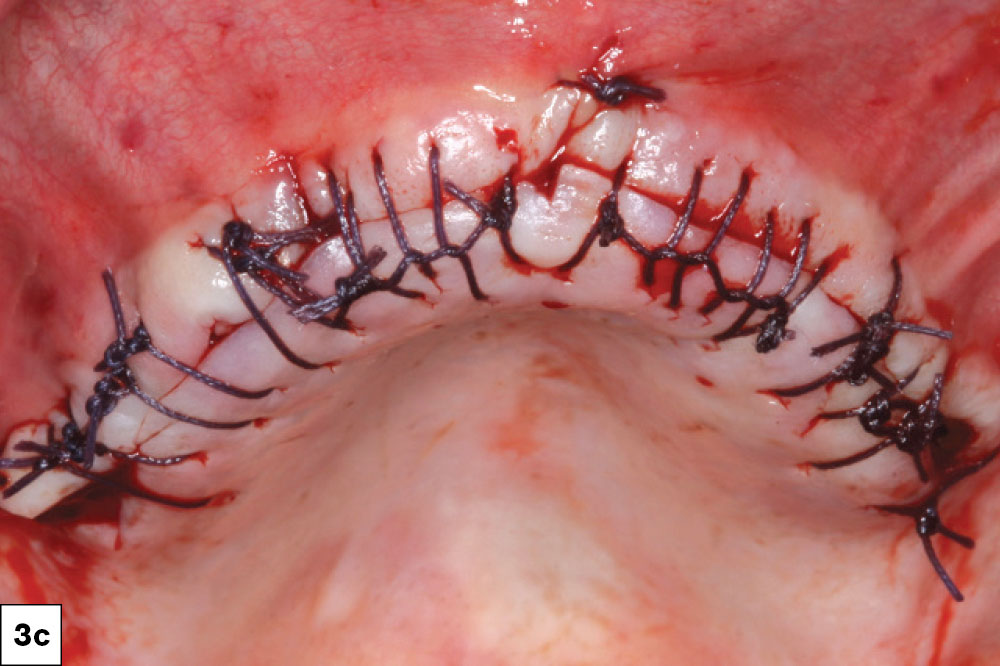
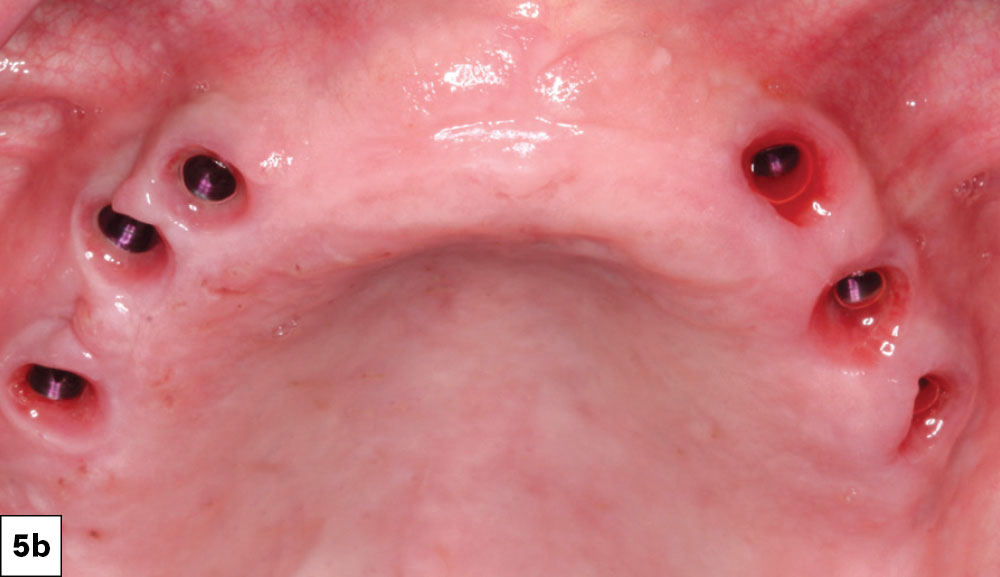
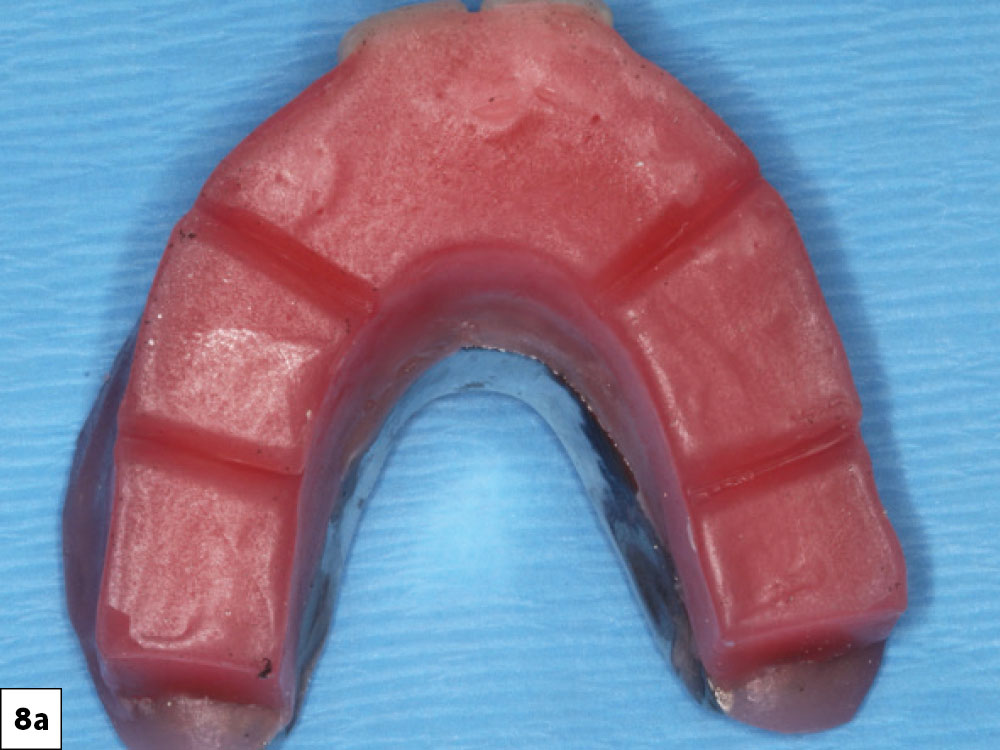
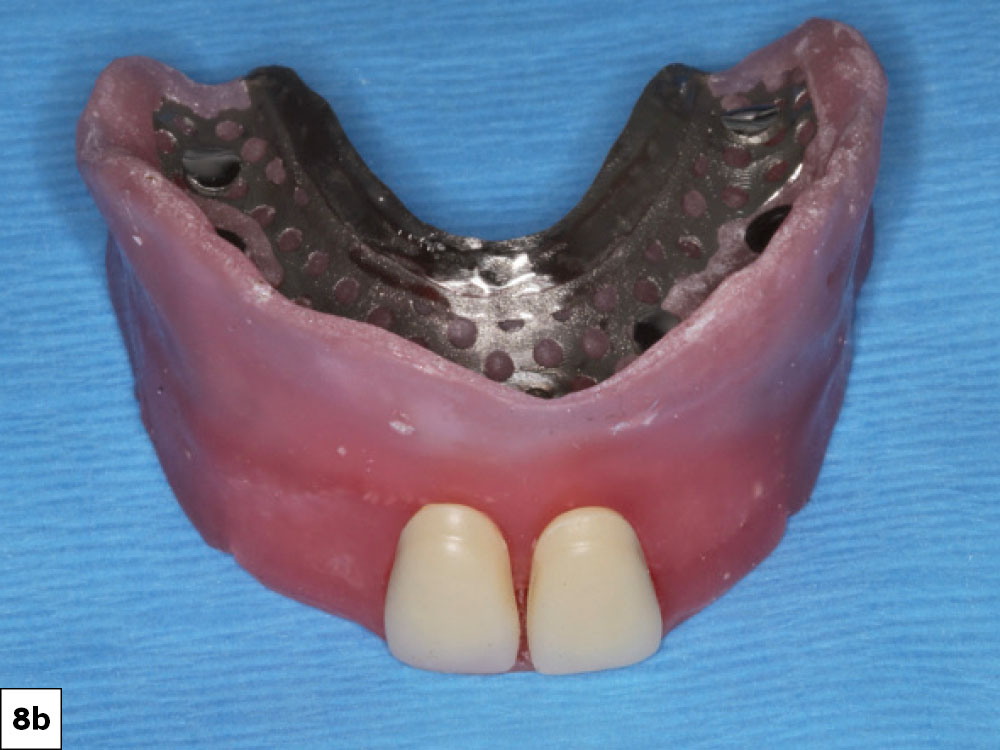
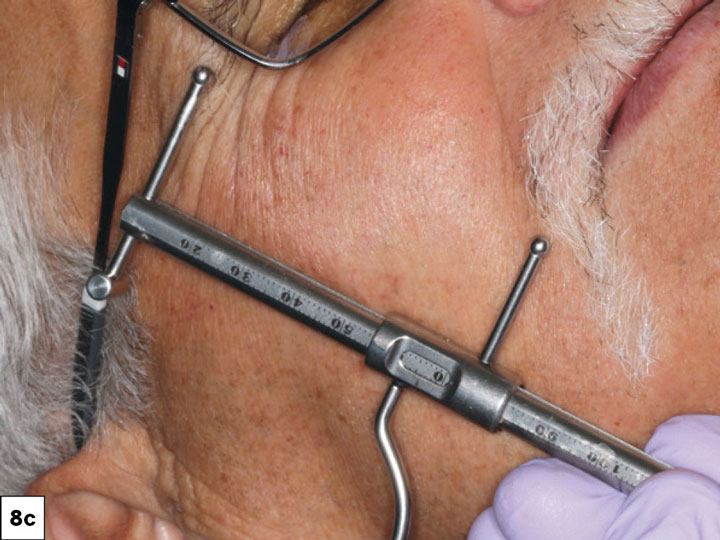
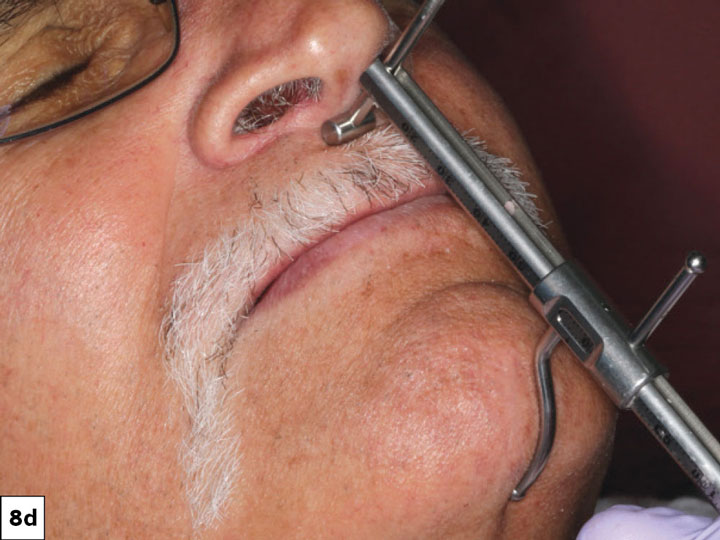
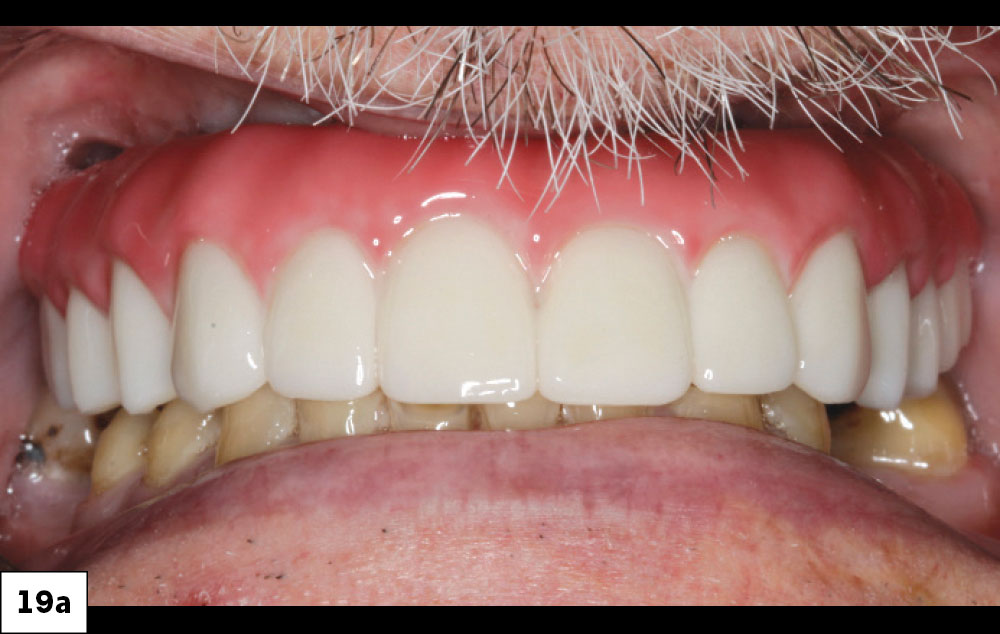
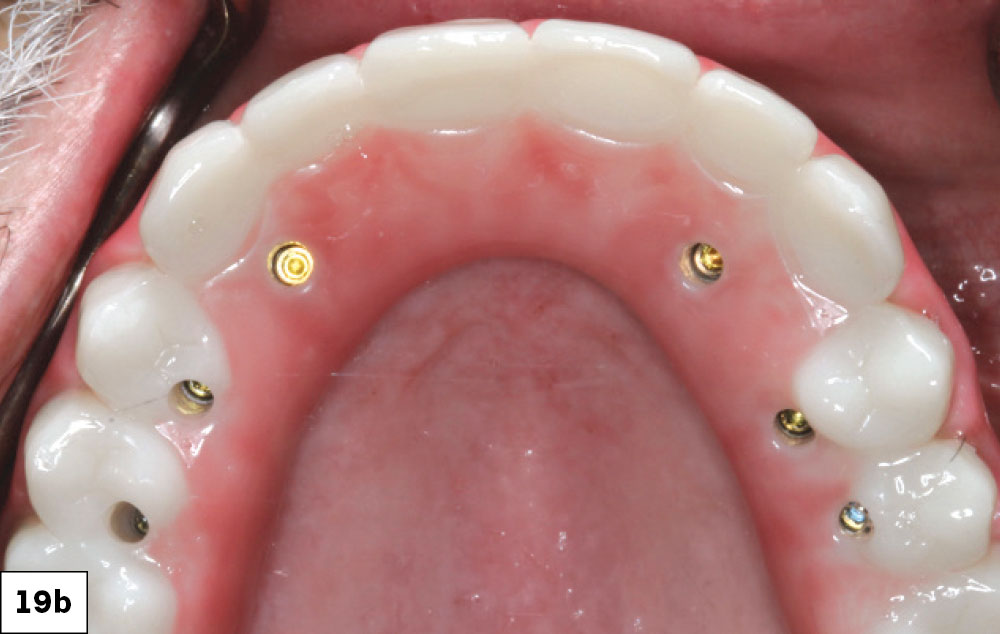
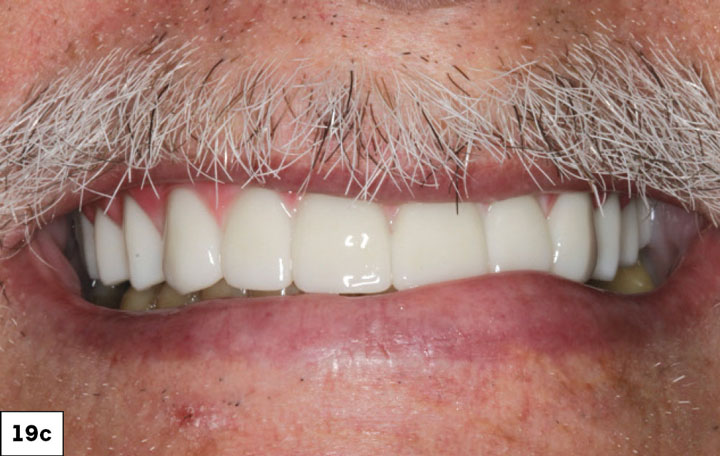
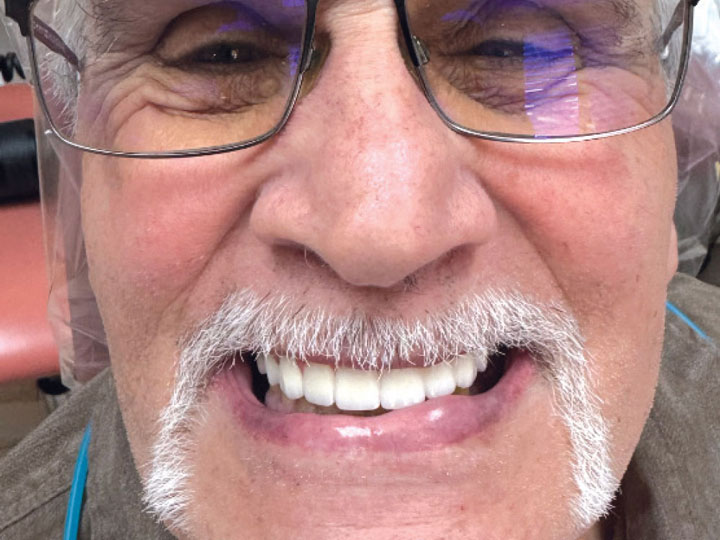
In order to provide an accurate clinical demonstration, I fitted the same patient with all three prostheses described above. Each full-arch prosthetic design described here will improve form and function. The best option for the individual patient is dictated by available bone, anatomic limitations, patient desires, and cost. Comprehensive diagnosis, treatment planning, and patient communication are critical for success. Locator overdentures are simpler and easily maintained by the patient. Locator Fixed and screw-retained prostheses offer great function and are entirely implant supported. No matter your choice, each offers a viable path to improved health and satisfied patients.
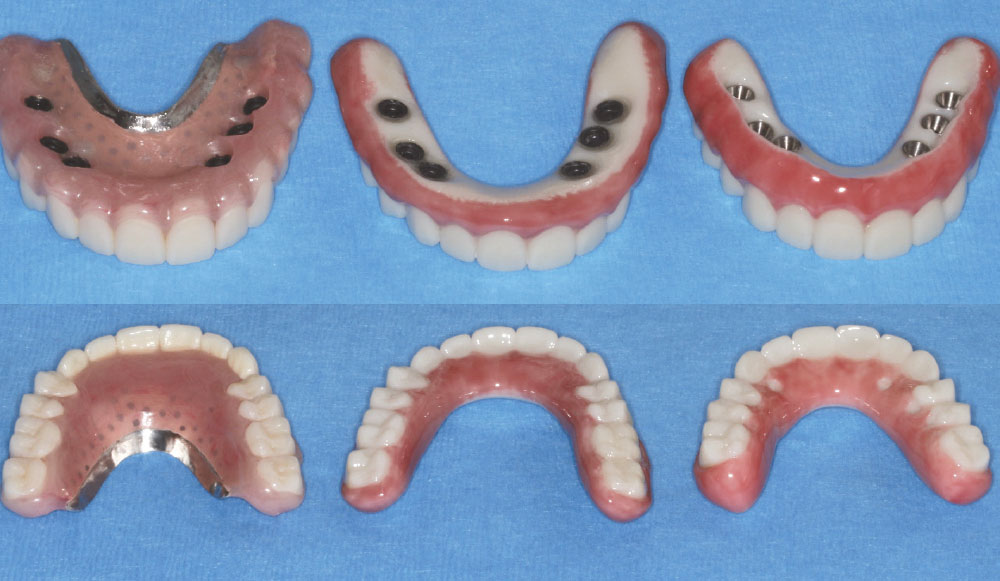
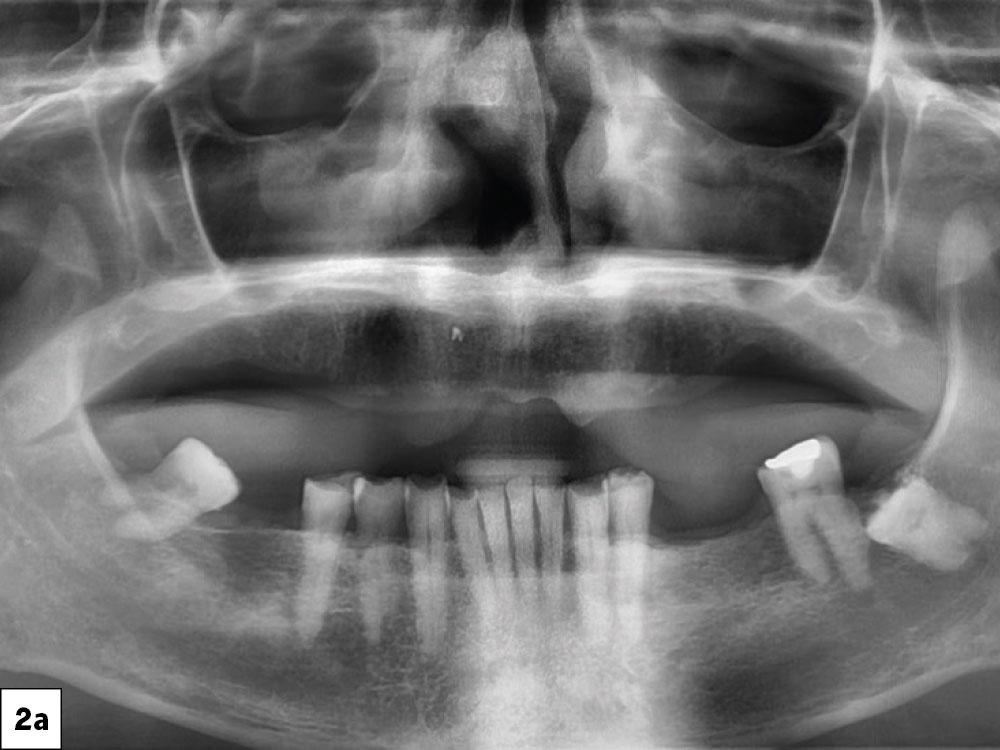
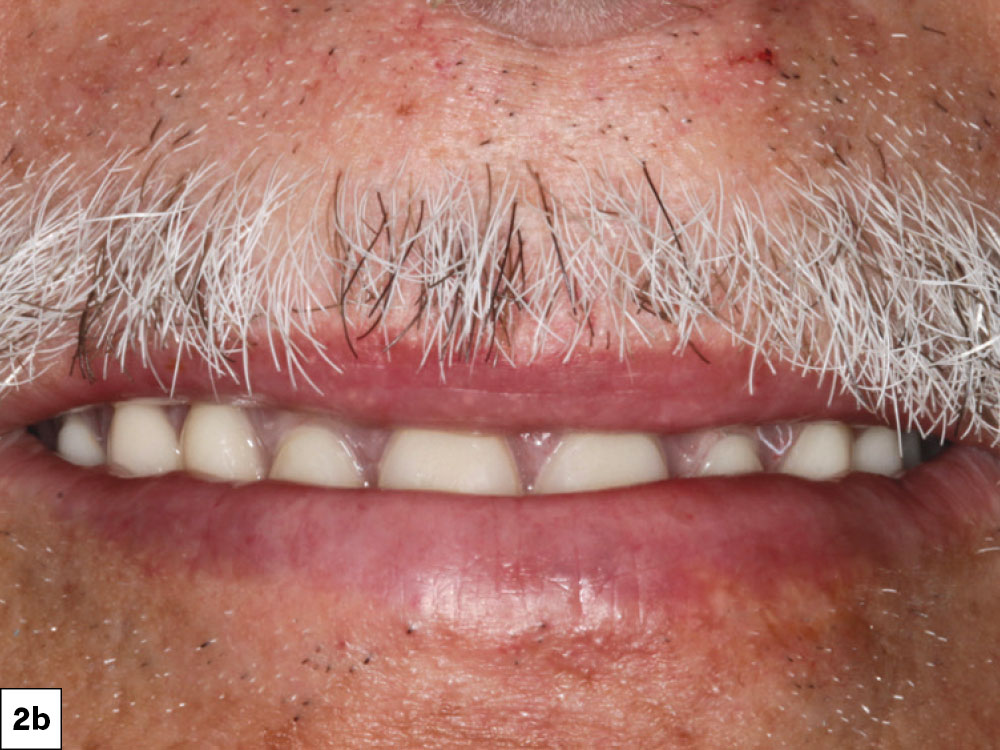
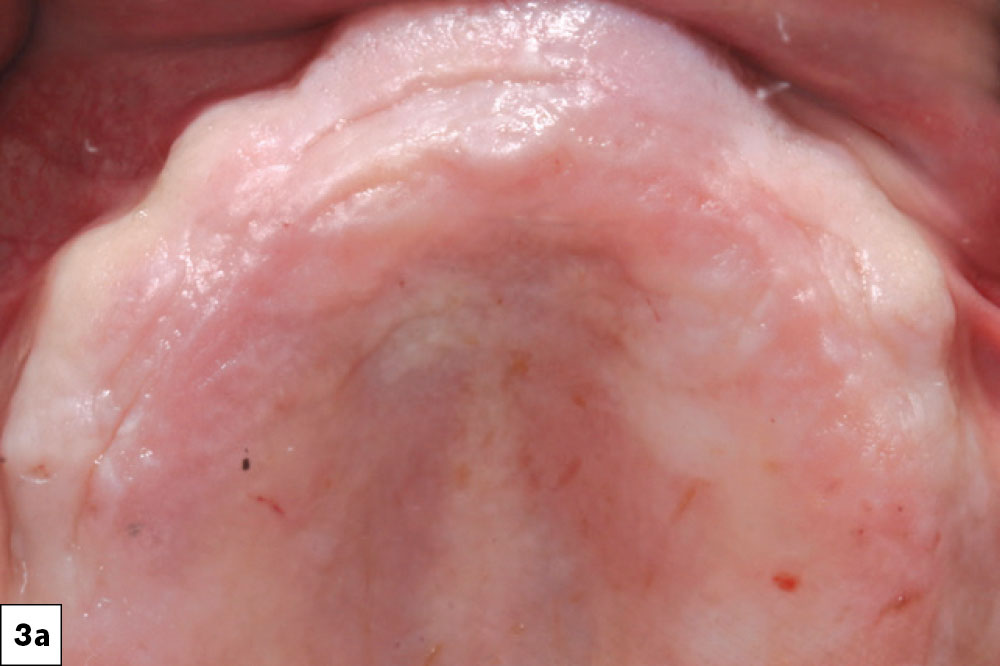
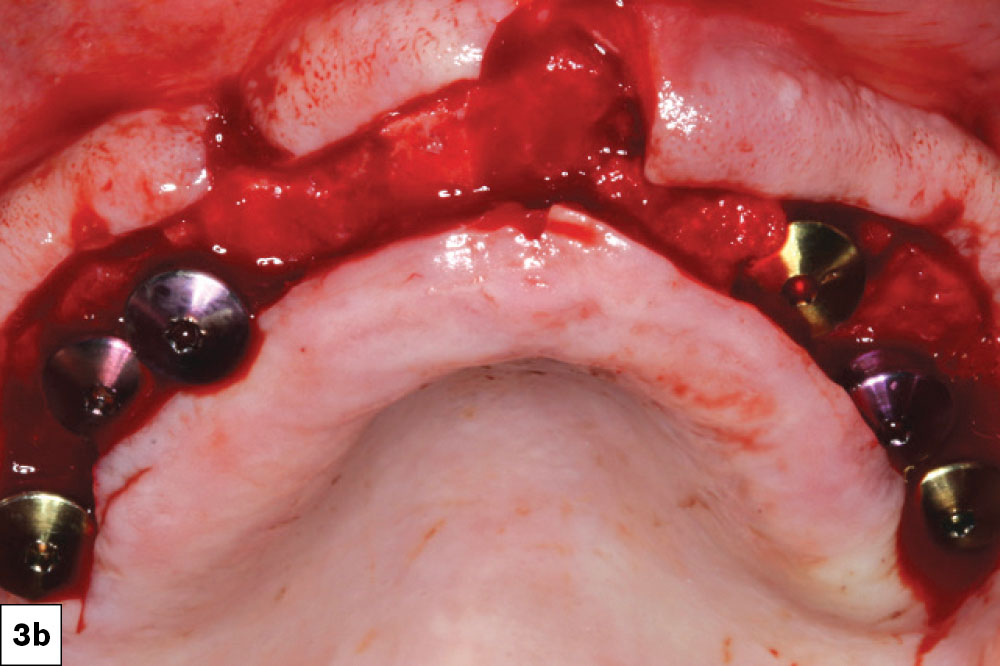
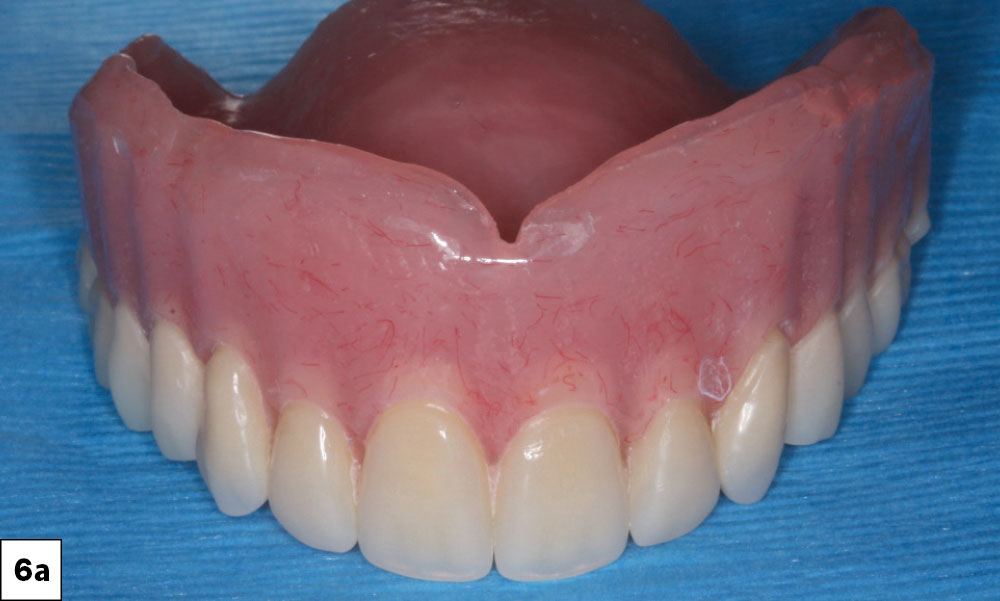
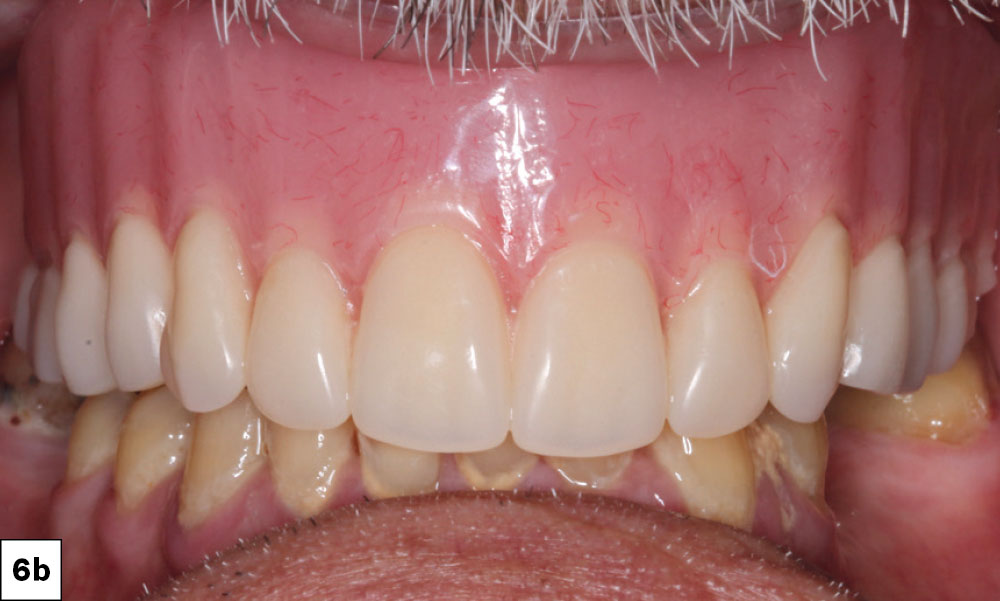
1. LOCATOR OVERDENTURE
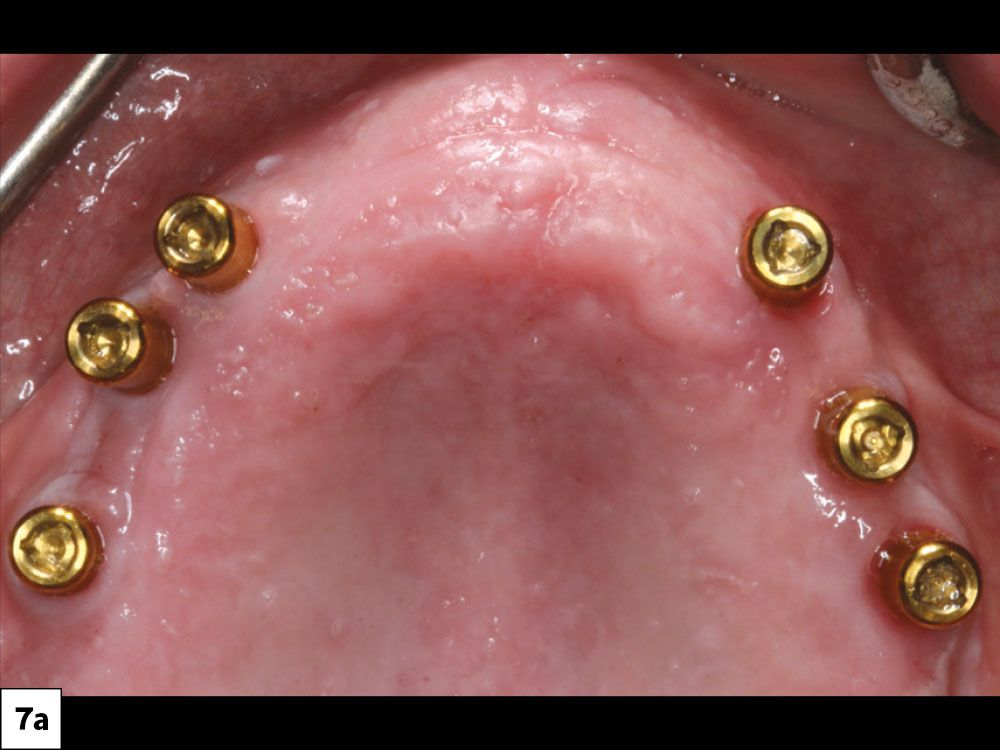
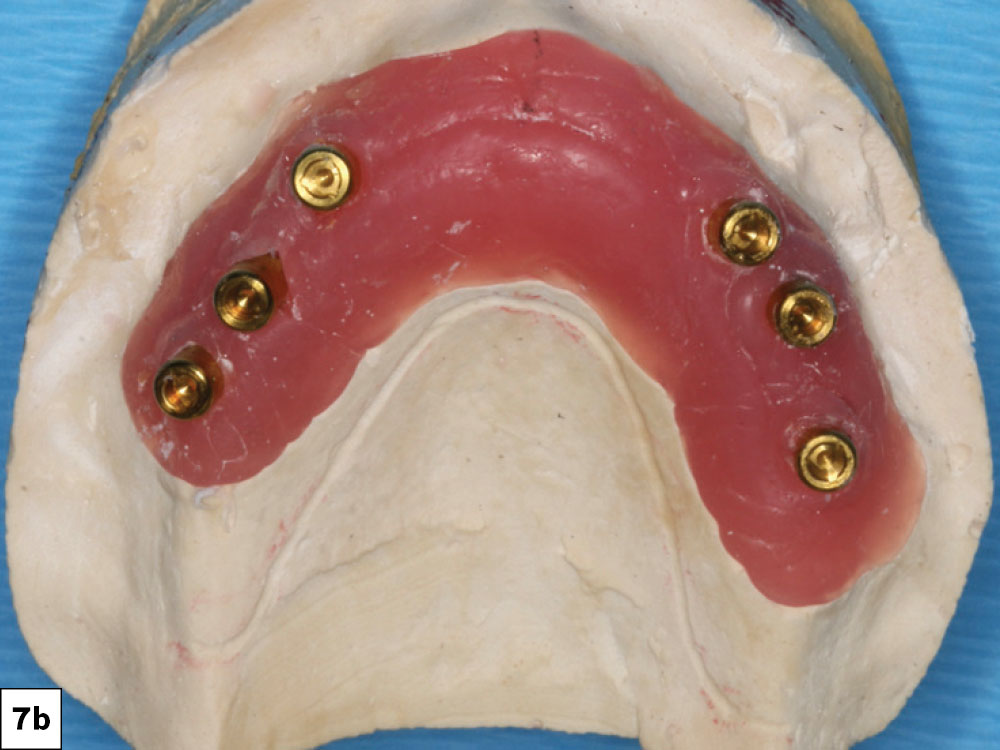
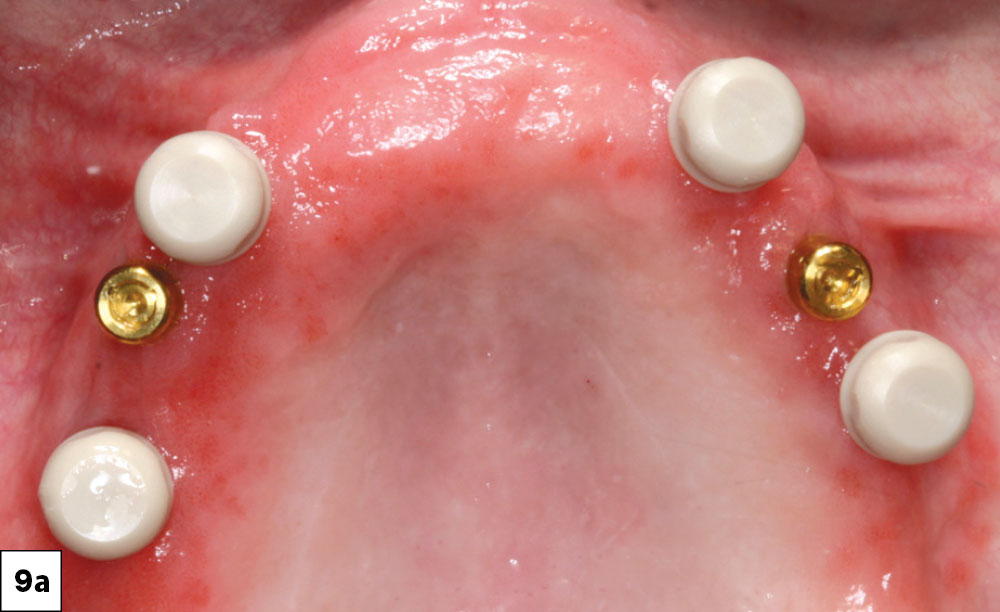
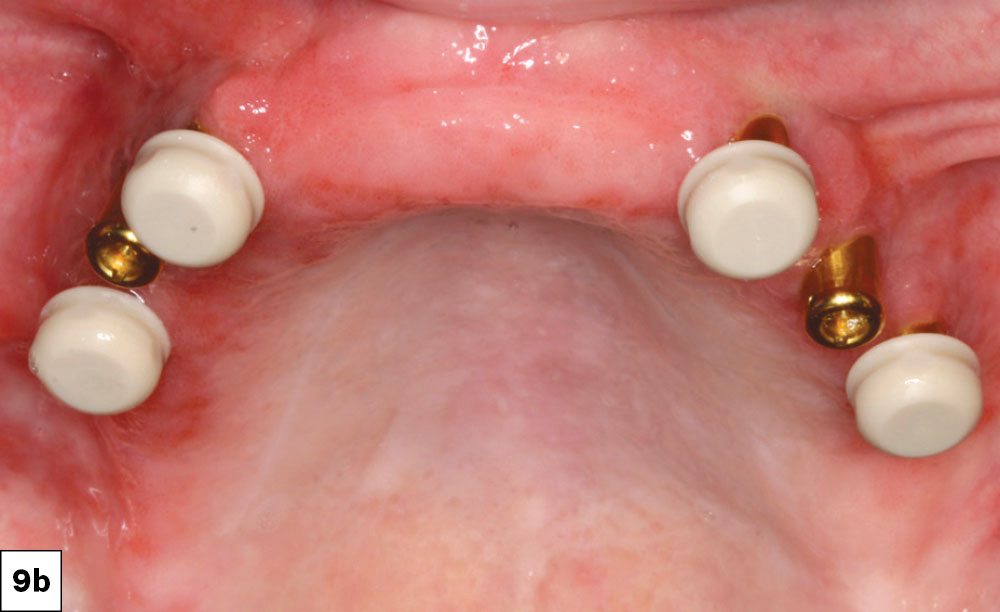
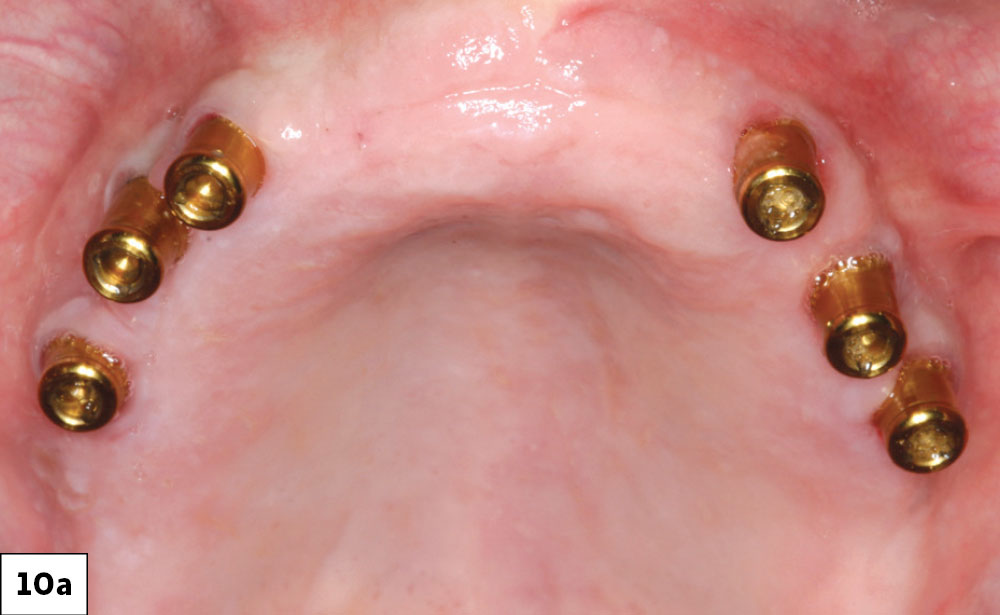
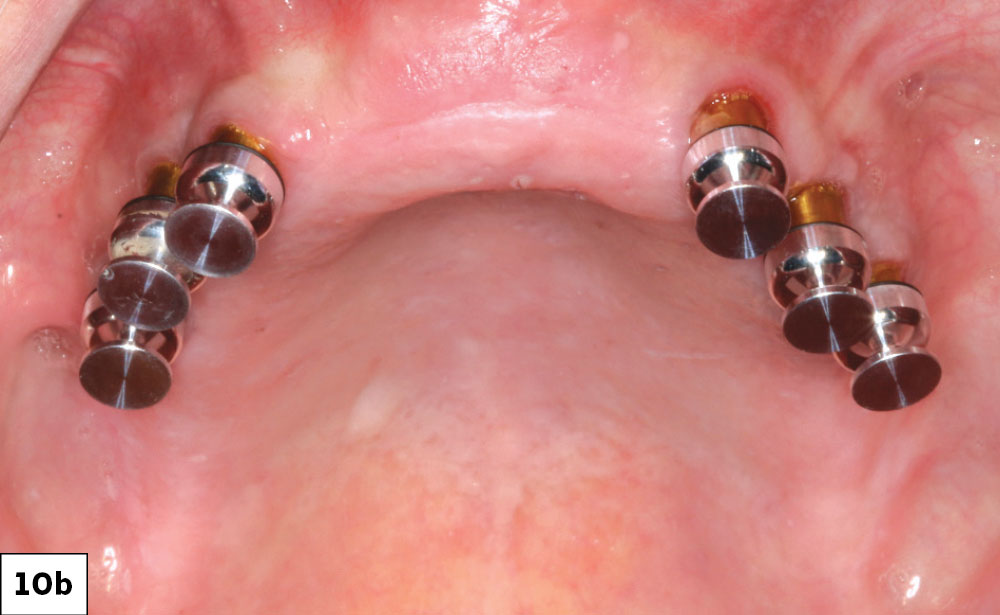
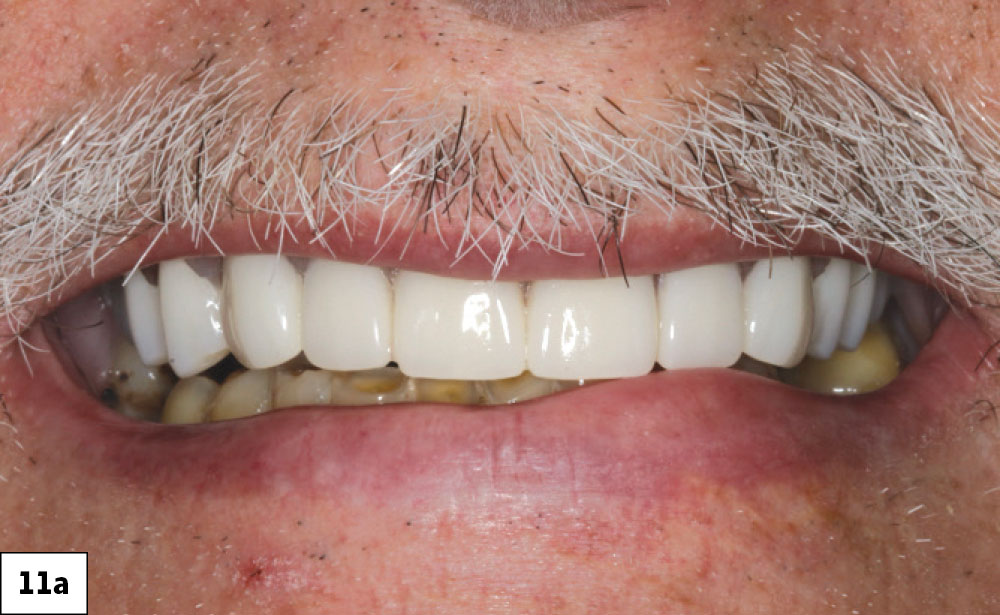
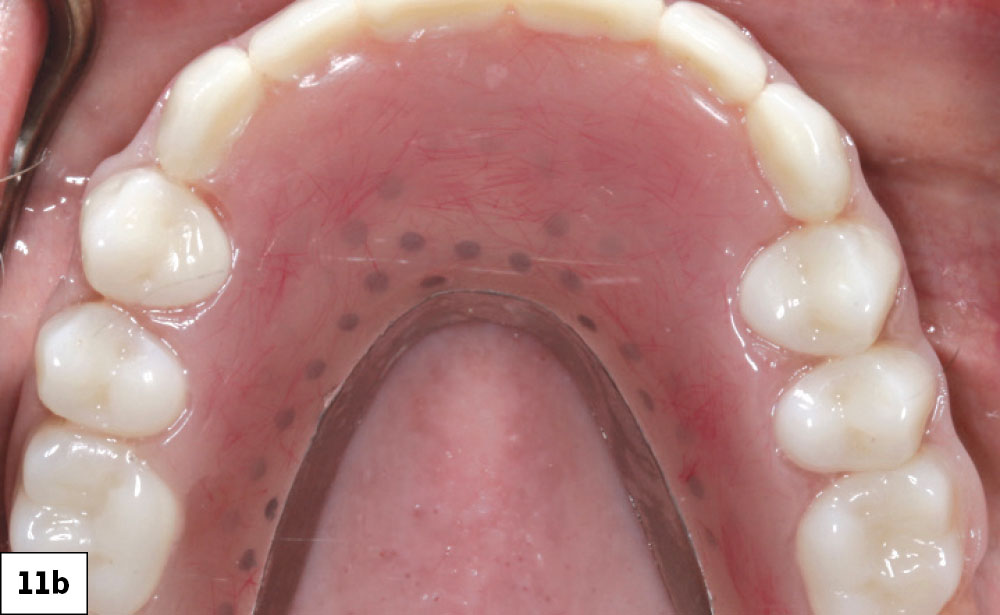
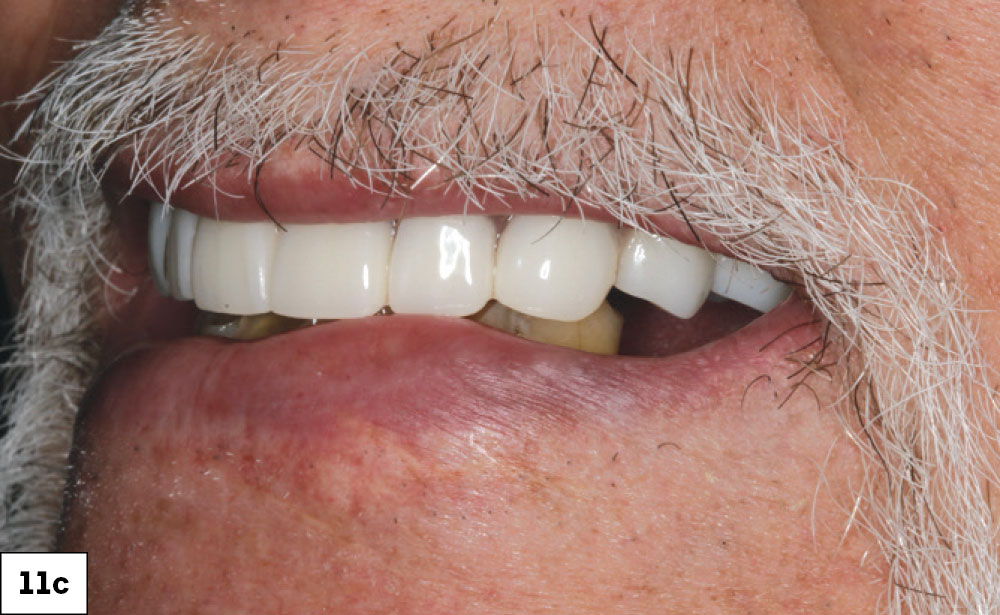
2. LOCATOR FIXED
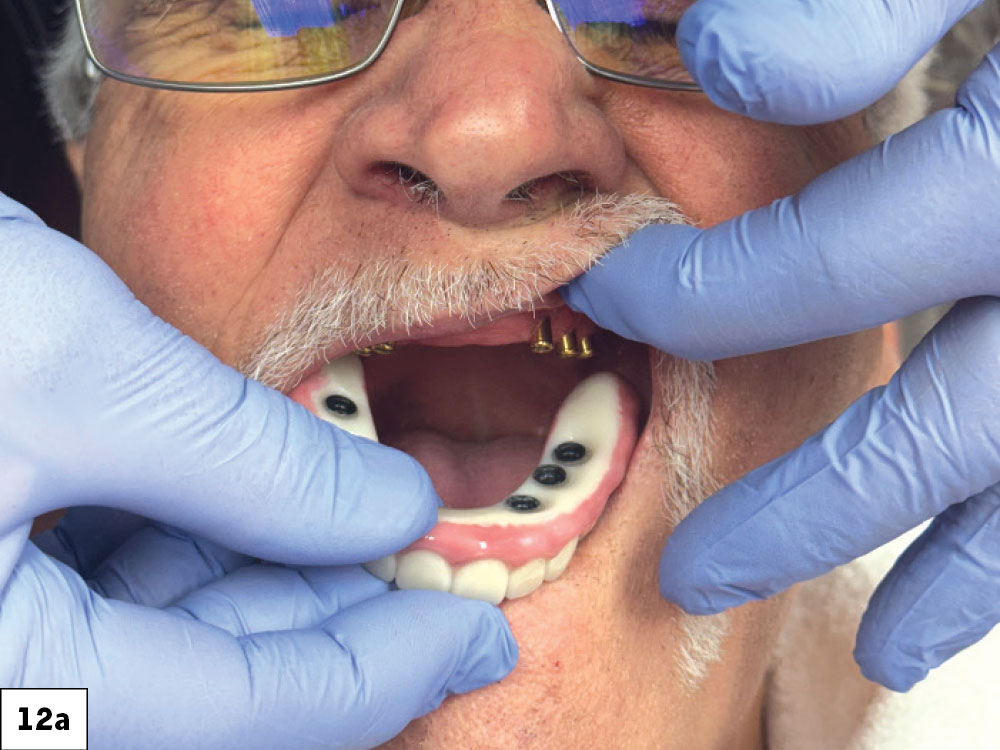
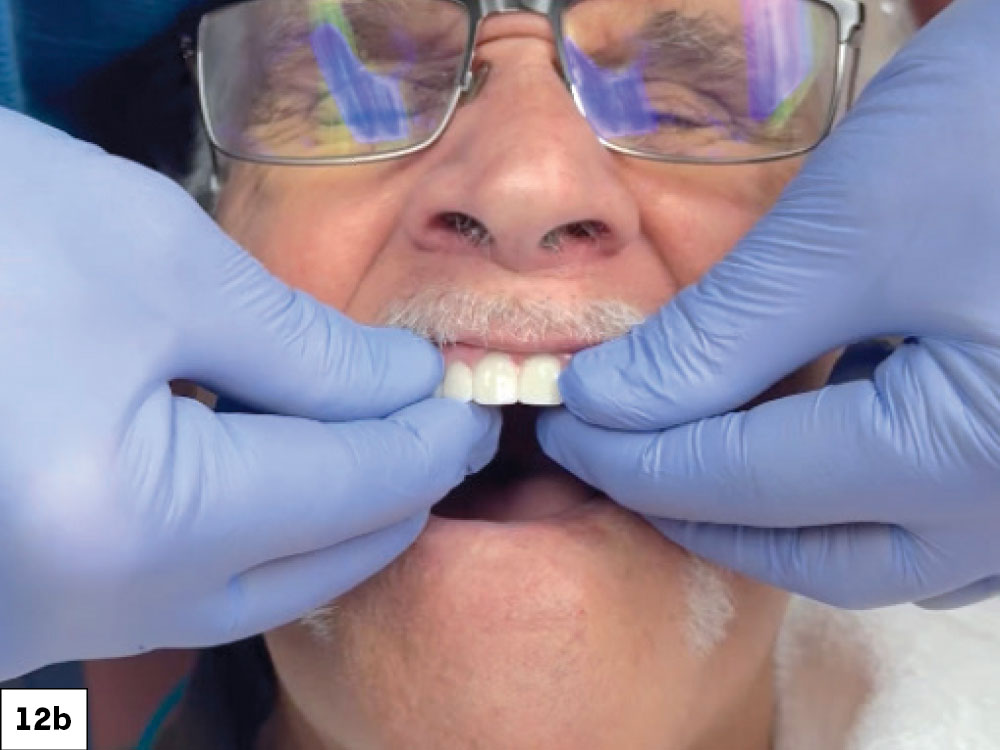
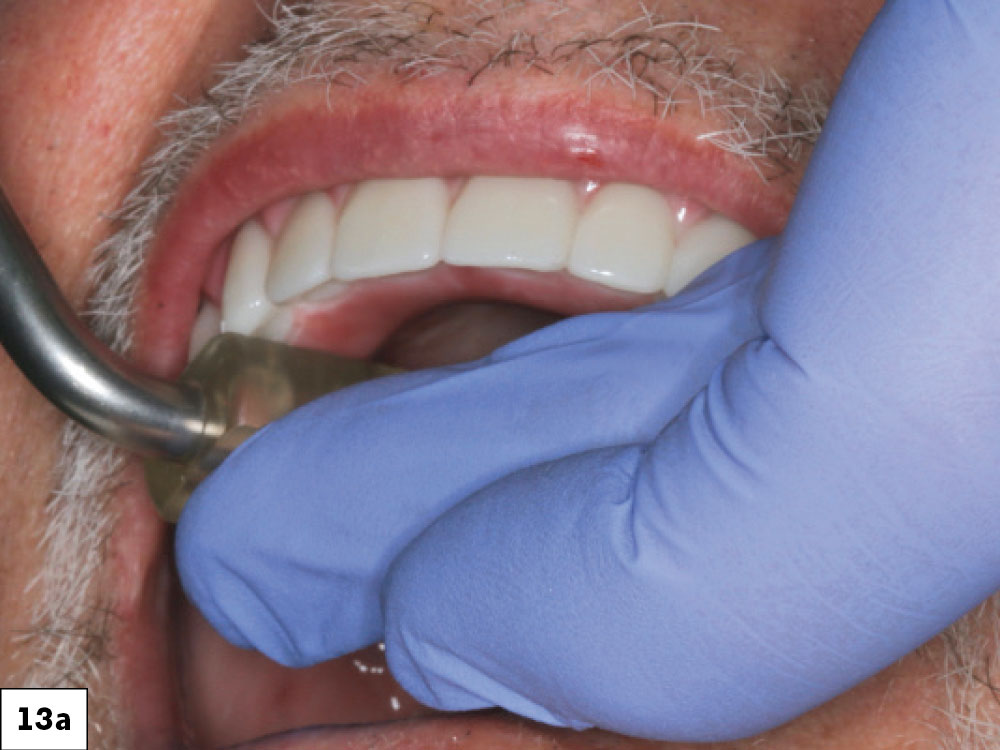
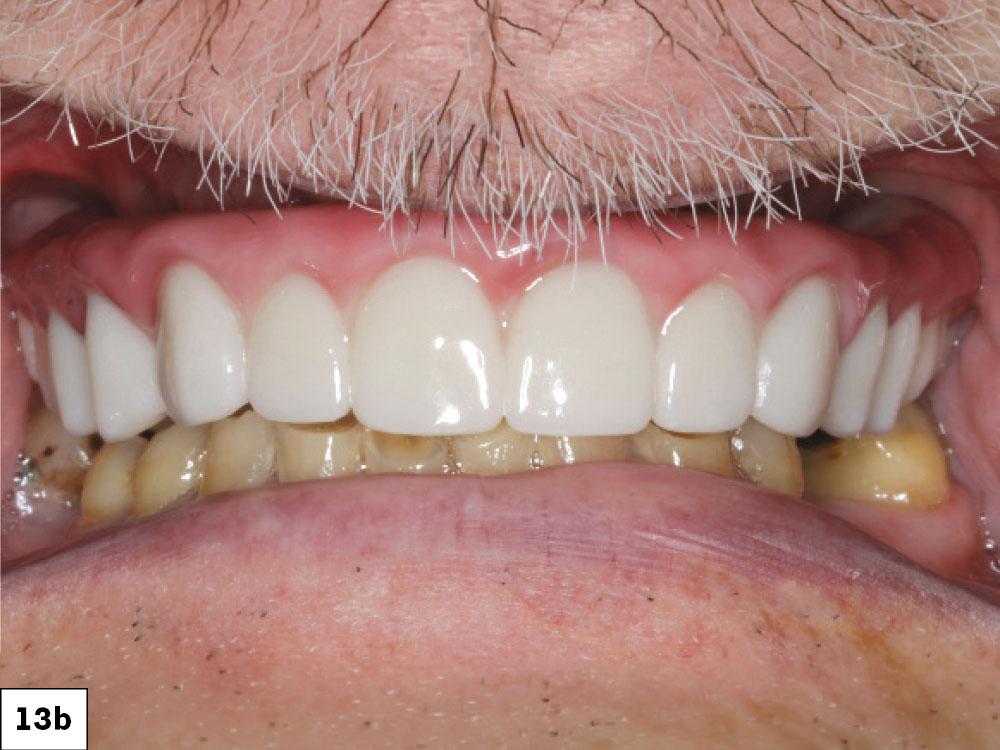
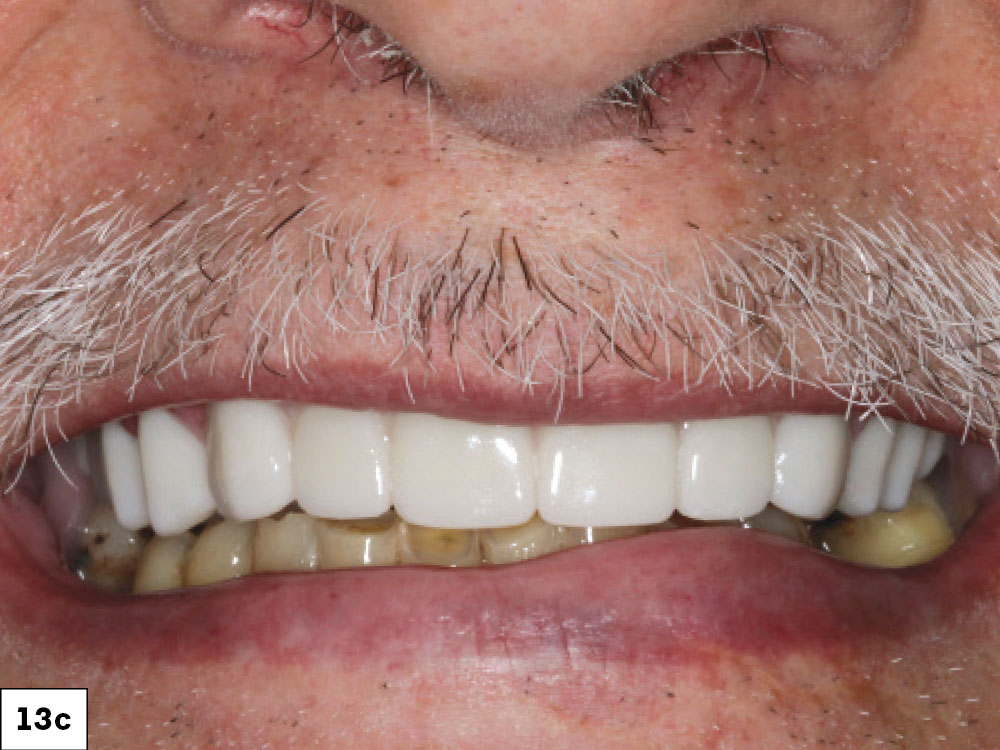
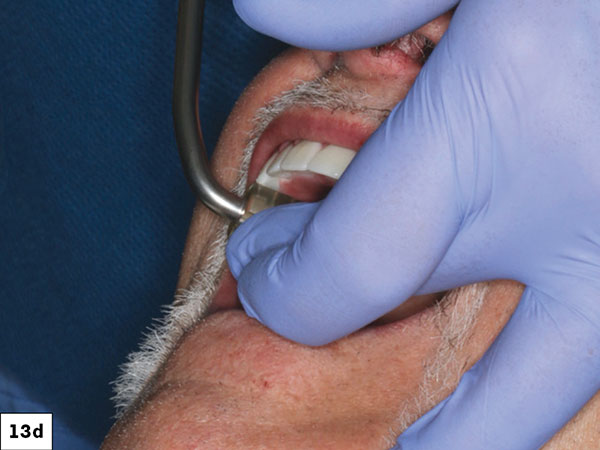
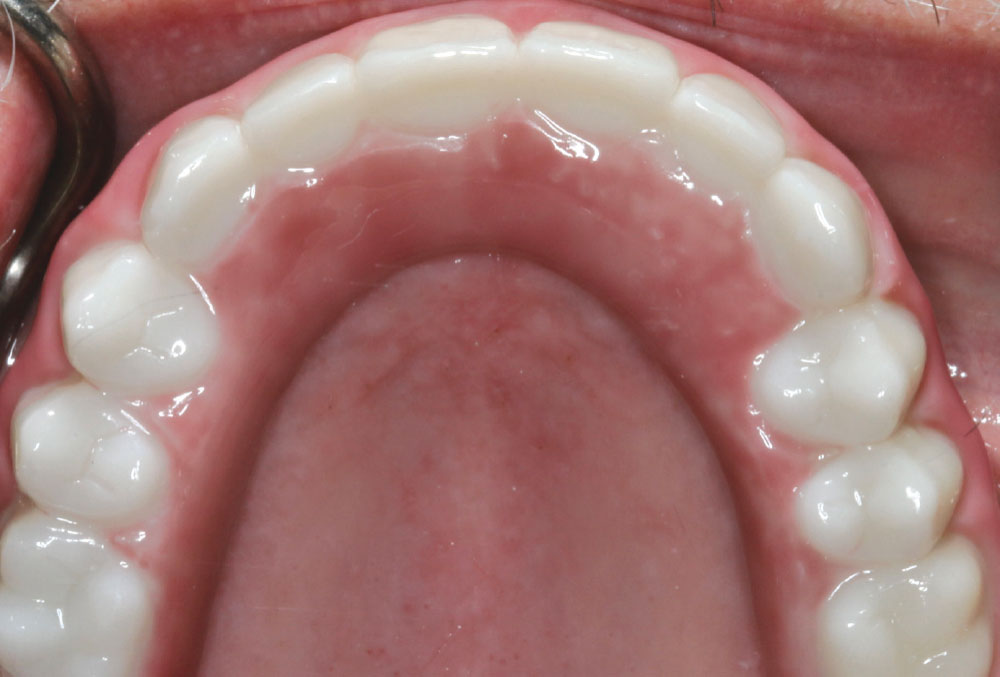
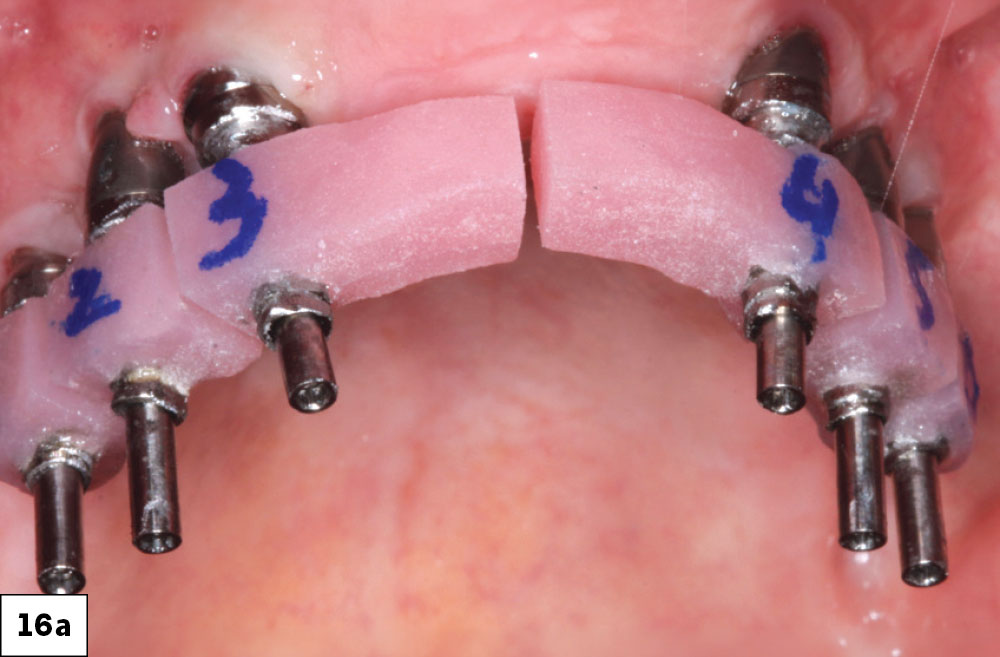
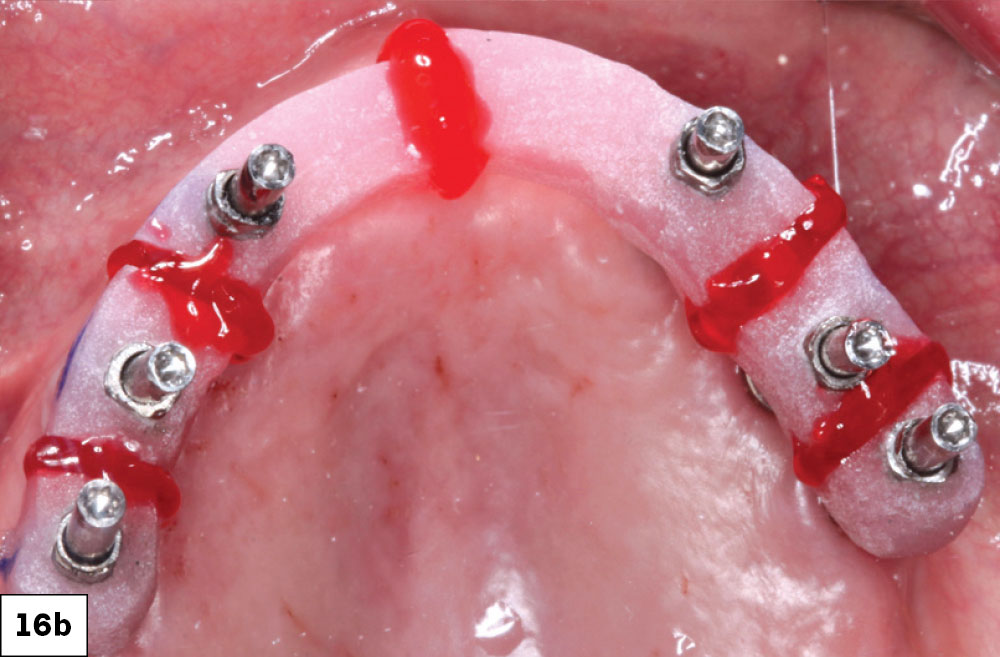
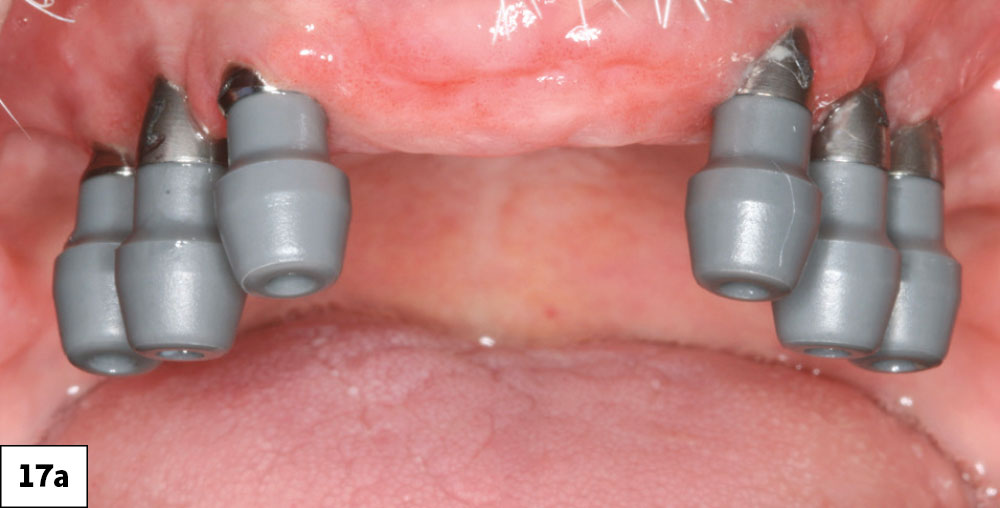
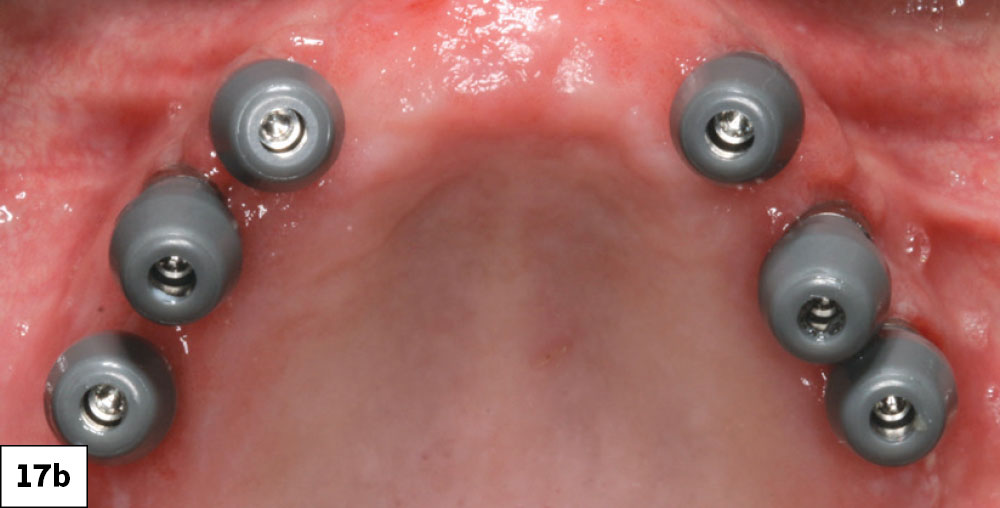
3. SCREW-RETAINED BRUXZIR FIXED PROSTHESIS
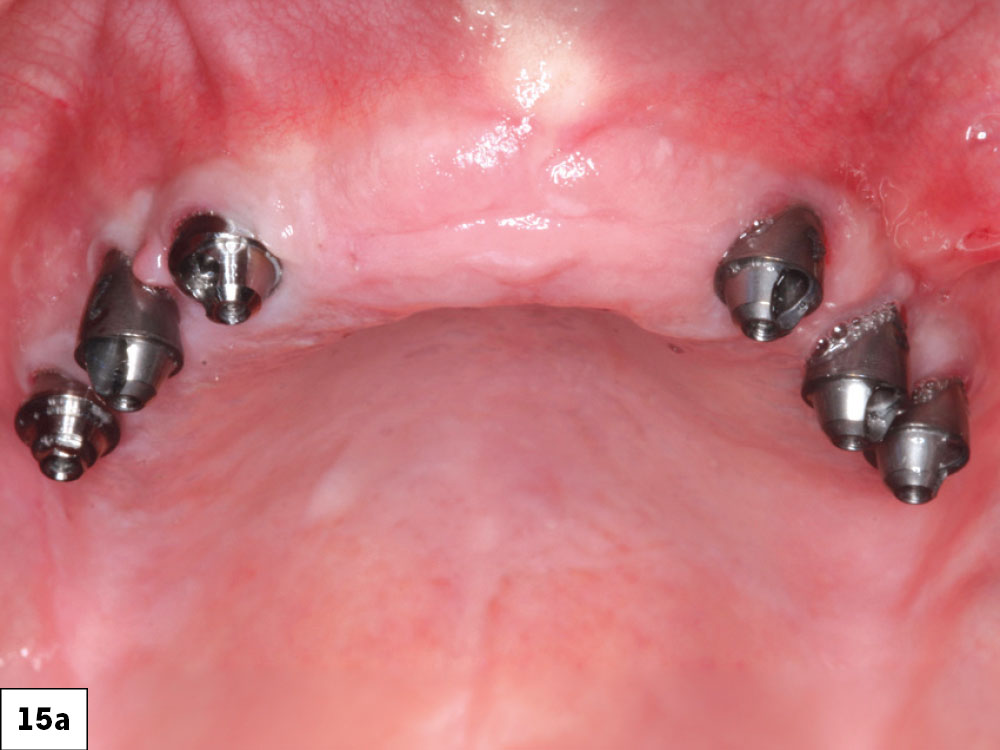
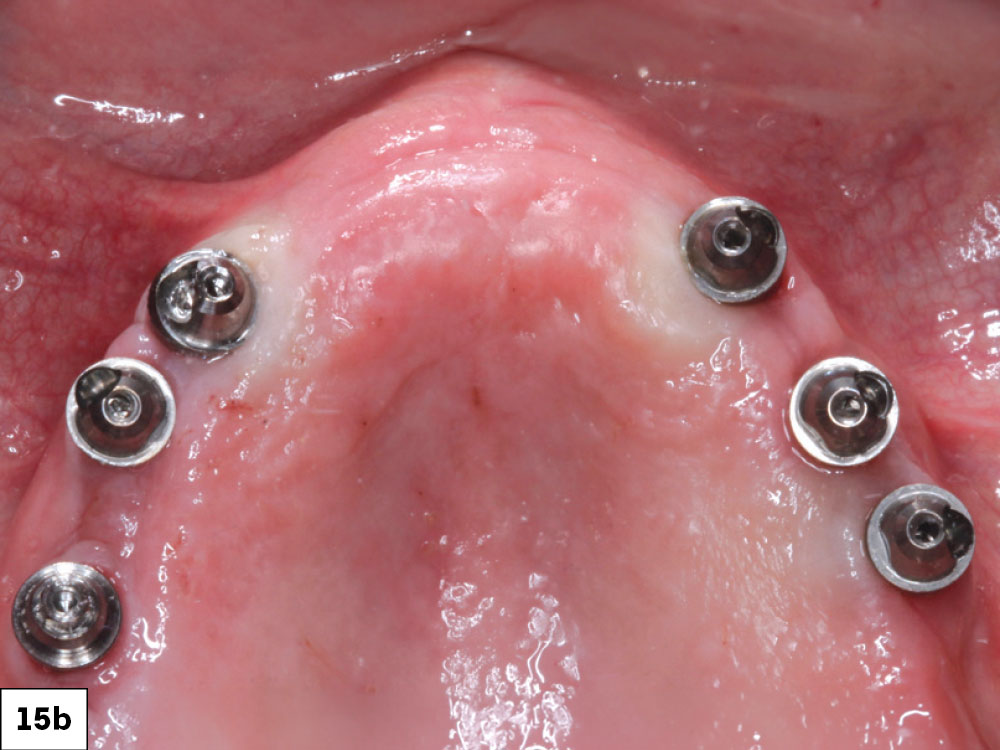
THE ANALOG APPROACH
THE DIGITAL APPROACH
Conclusion
Full-arch implant solutions offer clinicians a versatile toolkit for restoring comfort, function, and esthetics to edentulous patients. Whether selecting the simplicity and accessibility of Locator overdentures, the enhanced stability of Locator Fixed, or the strength and precision of a screw-retained monolithic zirconia prosthesis, each modality provides meaningful advantages when matched to the patient’s anatomy, expectations, and budget.
Locator is a registered trademark of Zest Anchors.
OptiSplint is a registered trademark of Digital Arches LLC.